Translated from German. We write our content in German.Show original
Wildlife in Tortuguero National Park.
You can observe these 66 species in Tortuguero National Park.
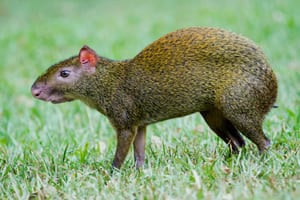
Agouti
Agoutis are nimble, shy fruit eaters that dart through tropical forests with glossy fur.
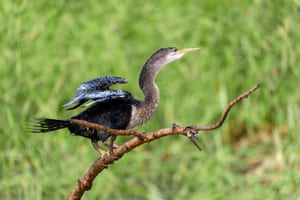
Anhinga
Slender waterbird with a snake-like neck and spectacular diving hunts, most often spotted in swampy waters.
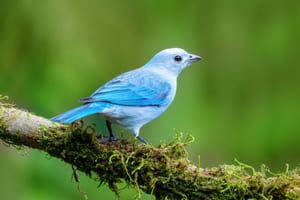
Blue-grey tanager
The blue-grey tanager enchants with its bright blue-grey plumage and melodic songs in forest landscapes.
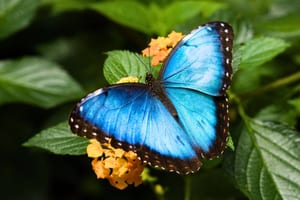
Blue morpho
Shimmering blue meets rainforest: the blue morpho fascinates with its iridescent play of colours and surprising camouflage in flight.
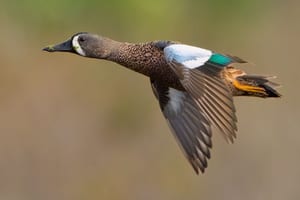
Blue-winged teal
Blue-winged teal are striking in flight thanks to their distinctive blue wingbeats and are masters of hiding in shallow, vegetated shore zones.
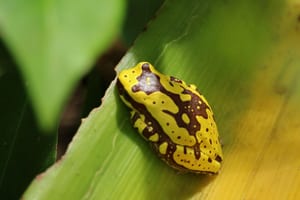
Hourglass treefrog
Small climbing acrobats with golden markings: hourglass treefrogs reveal life between dewdrops, leaves and nocturnal calls.
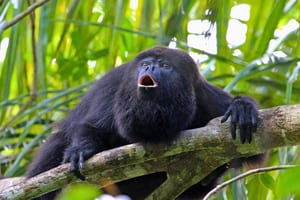
Howler monkey
Howler monkeys shape the morning with their loud calls and move leisurely through the treetops of the rainforests.
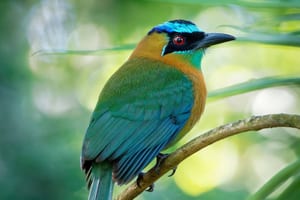
Lesson's motmot
Bright, mysterious and always with a spatula-shaped tail – the Lesson's motmot turns forest explorations into voyages of discovery for those who pay attention.
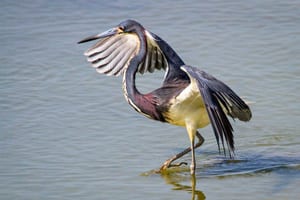
Tricoloured heron
The tricoloured heron stands out with its strongly contrasting plumage and hunts energetically in shallow waters along remote shorelines.
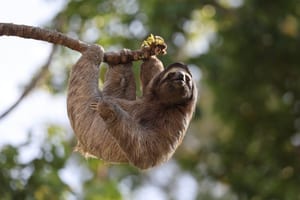
Three-toed sloth
Three-toed sloths glide almost invisibly through the canopy and, with their unhurried tempo, evoke the stillness of the forest.
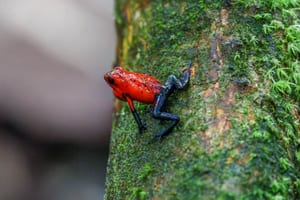
Strawberry poison dart frog
Small powerhouse with a red body and blue legs. The strawberry poison dart frog stands for colourful rainforest experiences on the forest floor.
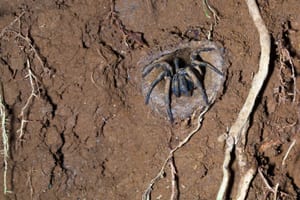
Trapdoor spiders
Trapdoor spiders are masters of staying invisible on the ground. Their hidden life is a fascinating discovery for patient nature observers.
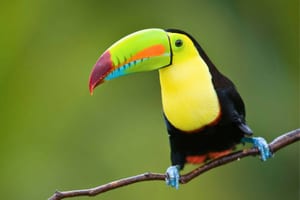
Keel-billed toucan
Unique rainforest bird with a colourful giant bill, powerful voice and lively activity in the treetops of Central and South America
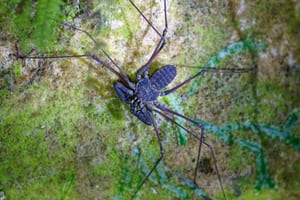
Whip spiders
Whip spiders fascinate with their delicate feeler legs and shy way of life. In damp, dark corners you can look forward to encounters with these ancient creatures.
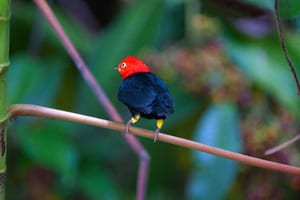
Red-capped manakin
With its red head and yellow leg tufts, the red-capped manakin really stands out as it performs its unique dance in the rainforest undergrowth.
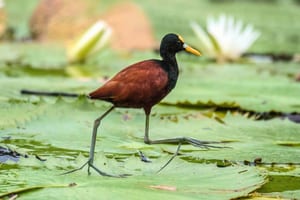
Northern jacana
The northern jacana balances elegantly on water lily leaves, delighting with its colourful frontal wattles and unique long toes.
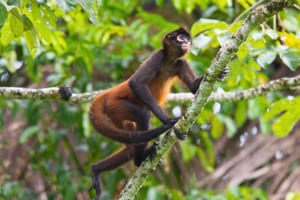
Geoffroy's spider monkey
Geoffroy's spider monkey is an agile specialist of the forest canopy. With its prehensile tail and loud calls it shapes the forests of Central America.
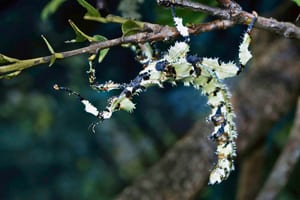
Stick insects
Stick insects disguise themselves perfectly as a twig or leaf and amaze with their fascinating powers of adaptation in the dense canopy.
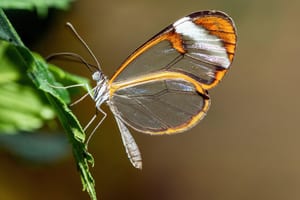
Glasswing butterfly
Glasswing butterflies fascinate with their transparent wings and create tropical moments full of lightness and astonishing camouflage.
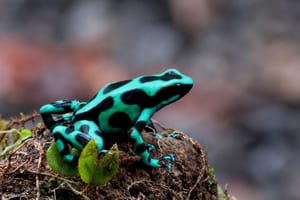
Green and black poison dart frog
Bright colours, tiny size: the green and black poison dart frog is the shining jewel of humid rainforests, with a surprising call.
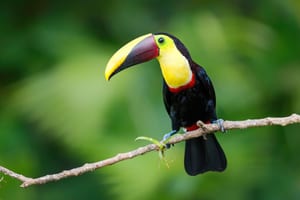
Yellow-throated toucan
Yellow-throated toucans with their bright yellow throat and striking bill attract attention high up in the treetops of tropical forests.
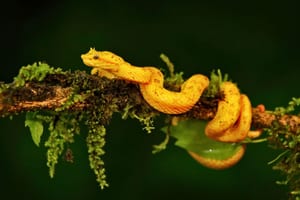
Eyelash viper
Striking eyelash viper with bright colouring. It lurks on branches in tropical forests and usually remains hidden.
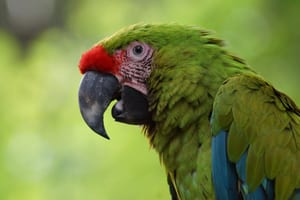
Great green macaw
Emerald green, loud and rare: great green macaws are true giants of the rainforest with a striking red tail and powerful calls.

Common bottlenose dolphin
The common bottlenose dolphin glides with powerful leaps through shallow coastal waters and is considered a curious and adaptable dolphin.
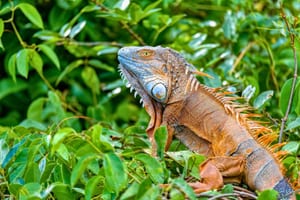
Green iguana
Green iguanas are true climbing artists with bright colouring and an impressive dorsal crest. Discover them in tropical treetops.

Green sea turtle
The green sea turtle grazes on seagrass meadows and is a fascinating favourite to watch in tropical coastal waters.
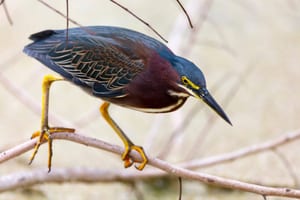
Green heron
The green heron rarely shows itself in the open and hunts with clever tactics along still shores – spot it with patience and a keen eye.
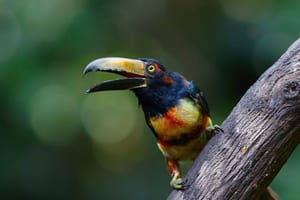
Collared aracari
With its striking bill, yellow breast and black collar, the collared aracari is most often seen in small groups in the forest canopy.
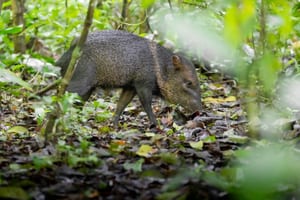
Collared peccary
Collared peccaries, social relatives of wild boar with a distinctive neck band, roam the wild bush landscapes of the Americas.
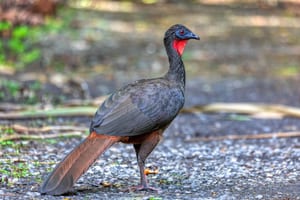
Crested guan
In dim forest light the Crested guan is easy to recognise by its crest and its bright red throat pouch.
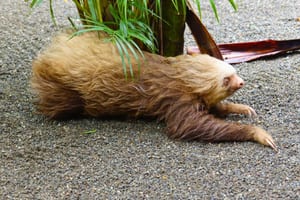
Hoffmann's two-toed sloth
The Hoffmann's two-toed sloth hangs upside down in the canopy and lives silently in the treetops of tropical forests in Central and South America.
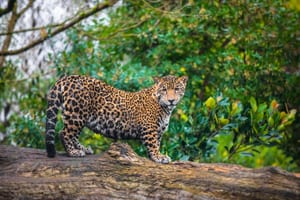
Jaguar
The jaguar is the enigmatic hunter of the South American wilderness – powerful, silent and almost invisible in the dense greenery.
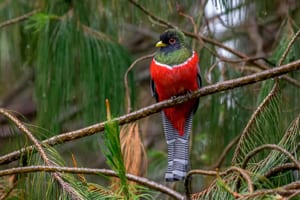
Collared trogon
With its bright red belly and white breast band, the collared trogon does not remain hidden for long in the shade of ancient forests.
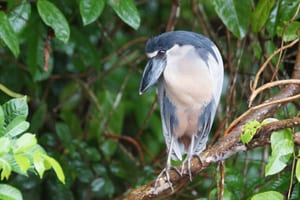
Boat-billed heron
Boat-billed herons are nocturnal specialists with a unique, boat-shaped bill and live shyly along dense riverbanks and in mangroves.
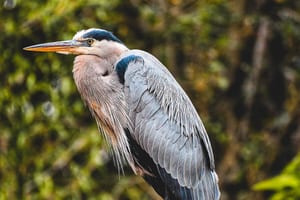
Great blue heron
Majestic great blue heron: with blue-grey feathers and impressive size, it watches over quiet shores and shallow bays.
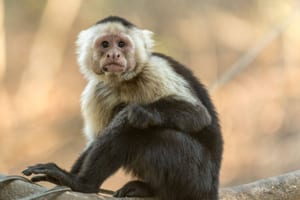
Capuchin monkey
Versatile, curious and full of energy, Capuchin monkeys move through the treetops of tropical forests as agile climbers.
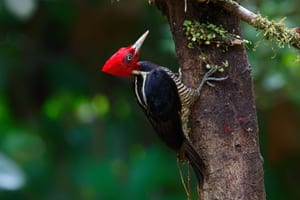
Pale-billed woodpecker
Impressive pale-billed woodpecker with red crest and pale bill – spot it drumming in the treetops of old forests
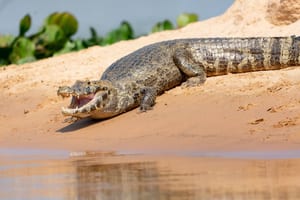
Spectacled caiman
You can recognise spectacled caimans by the distinctive bony bridge above their eyes and their calm silhouettes along the edges of waterways.
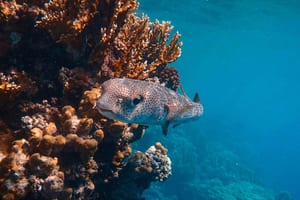
Putterfish
You can recognise a putterfish by its balloon-like shape and calm presence in tropical coastal waters.
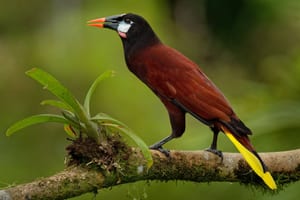
Montezuma oropendola
Colourful Montezuma oropendola with a bright yellow tail and distinctive call in the treetops of Central America.
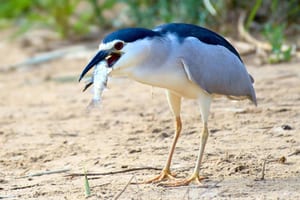
Black-crowned night heron
The black-crowned night heron lives a secretive life on the water’s edge and usually only appears at dusk – ideal for quiet observers with patience.
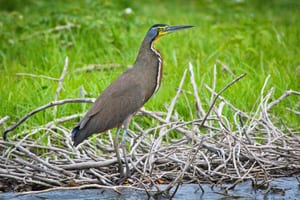
Bare-throated tiger heron
The bare-throated tiger heron is a rare shoreline hunter with a striped breast and bare throat, perfectly camouflaged among mangroves and riverbanks.
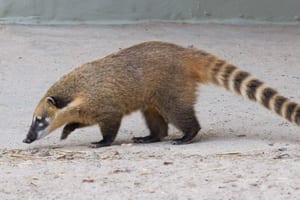
Nasua
Nasua with their flexible snouts and ringed tails are skilful ground-dwellers in the forests of Central and South America.
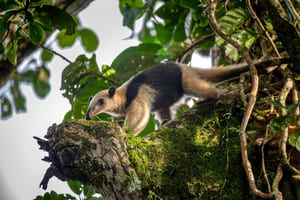
Northern tamandua
The northern tamandua fascinates with its black and beige coat and clever climbing style in the forests of Central America.
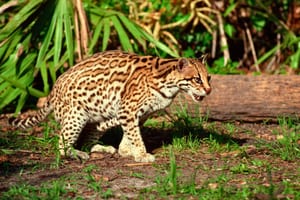
Ocelot
Ocelots are nocturnal, solitary inhabitants of tropical forests, with uniquely patterned coats and fascinatingly silent movements.
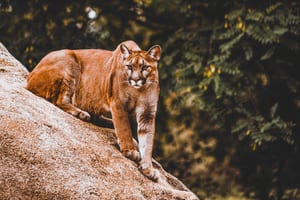
Puma
The puma is a master of concealment and glides silently through remote landscapes between forests and mountains.
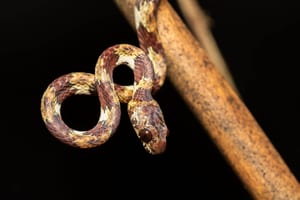
Blunthead tree snake
The slender blunthead tree snake hunts at night among leaves and branches and surprises with its broad head and striking eyes.
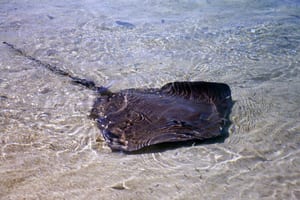
Rays
Rays glide almost silently over the seabed and surprise you with perfect camouflage and elegant movements in shallow water.
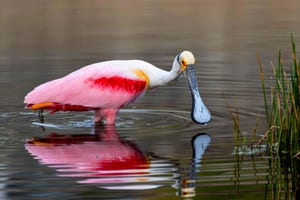
Roseate spoonbill
Bright pink plumage and a spoon-shaped bill make the roseate spoonbill a fascinating inhabitant of tropical wetlands.
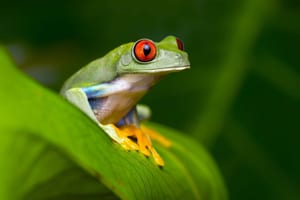
Red-eyed Tree Frog
Red-eyed Tree Frogs captivate with their bright red eyes and vivid colours – a nocturnal rainforest resident that never fails to amaze.
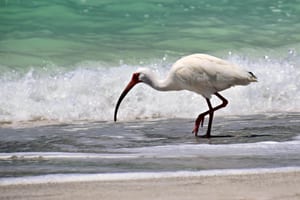
American white ibis
With its curved pink bill and white feathers, the American white ibis is a master of wetlands and loves shallow shore zones.
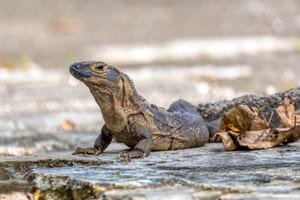
Black iguana
The black iguana is a lightning-fast sun worshipper with distinctive dark markings and prefers to live among ruins and on dry slopes.
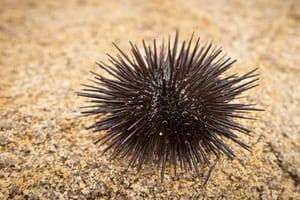
Sea urchin
Sea urchins are armoured marine creatures whose spines and unique movements add life to rocky coasts and kelp forests.
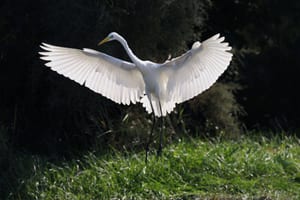
Great egret
Snow-white great egrets with their slender silhouette glide silently through shallow waters and offer you genuine moments in nature.
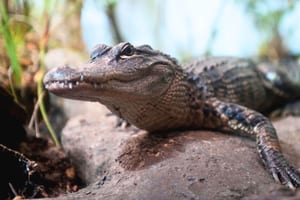
American crocodile
The American crocodile lives in mangrove swamps and lagoons. It is shy and shows fascinating adaptations to life in water and on land.
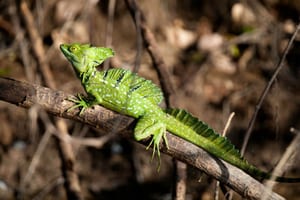
Plumed basilisk
With its bright green colour and striking crests, the plumed basilisk is a secretive acrobat along rainforest rivers.
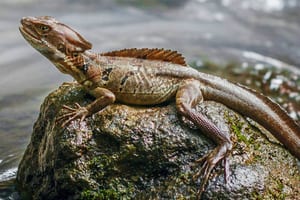
Brown basilisk
Brown basilisks impress with their pale longitudinal stripes and, with quick steps, seem to run over the surface of the water.
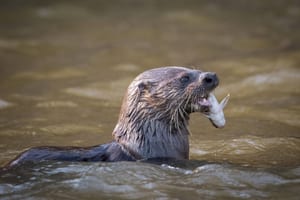
Neotropical otter
The Neotropical otter glides skilfully through the water and leaves fascinating tracks along untouched riverbanks.
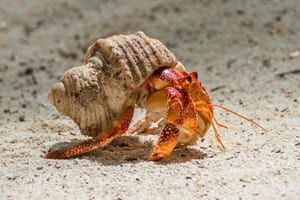
Pacific hermit crab
The hermit crabs scuttle across the beaches in their individual shell homes. They are most active in the early morning.
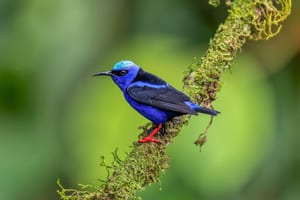
Red-legged honeycreeper
The red-legged honeycreeper immediately catches the eye in tropical canopies with its brilliant blue and red legs as it searches for flowers and fruit.
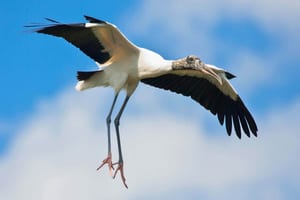
Wood stork
Wood storks with white plumage and a distinctive bill move slowly through swamps – revealing the quiet life of hidden wetlands.
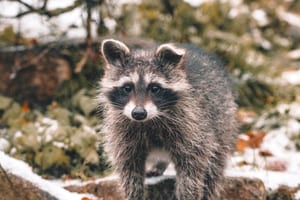
Raccoon
You can recognise raccoons by their striking mask and ringed tail, perfectly adapted to life in both forest and town.
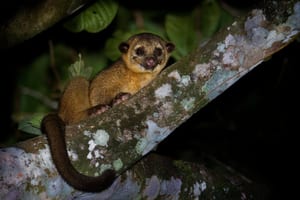
Kinkajou
Kinkajous are nocturnal climbers with prehensile tails, whose large eyes can spot you high up among tropical leaves.
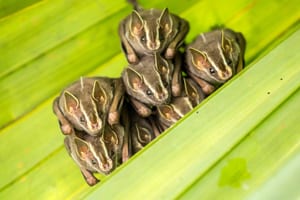
Tent-making bat
Tent-making bats build their own roosts and hide during the day, skilfully concealed beneath rolled-up leaves in the tropical forest.
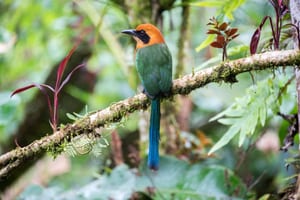
Rufous motmot
Warm colours, a paddle-shaped tail and rolling calls make the rufous motmot unmistakable in the shade of tropical forests.
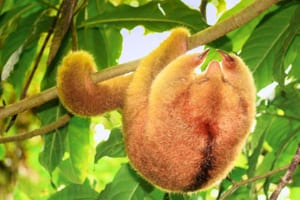
Silky anteater
The silky anteater lives almost invisibly in the forest canopy, a gentle explorer of the treetops with silky-soft fur and a careful, quiet manner.