Translated from German. We write our content in German.Show original
Kgalagadi Transfrontier Park: everything for planning your trip
Kgalagadi Transfrontier Park (KTP) is defined by its unique red dune landscape, which you can explore very well as a self-driver with a 2x4 or 4x4 vehicle.
Why you’ll love it here
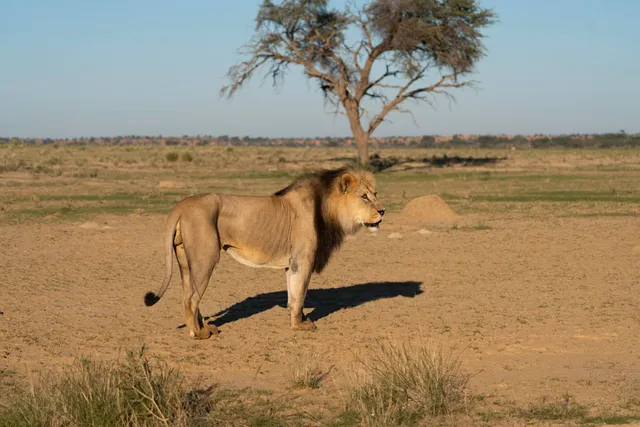
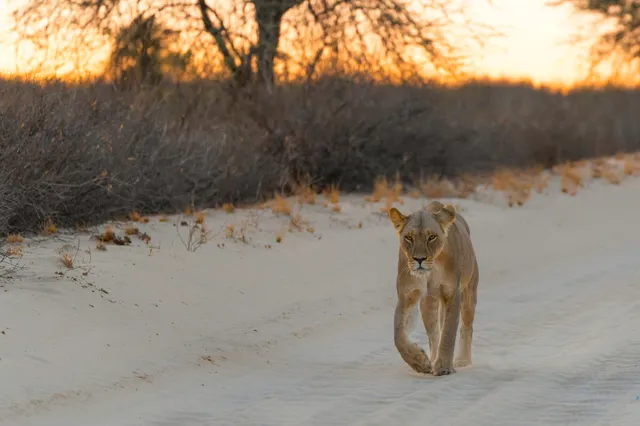
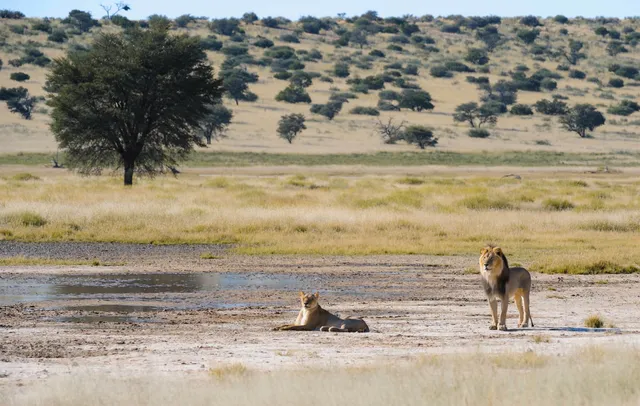
Experience big cats up close – Nowhere else are you so likely to see Kalahari lions with black manes in the red dune landscape.
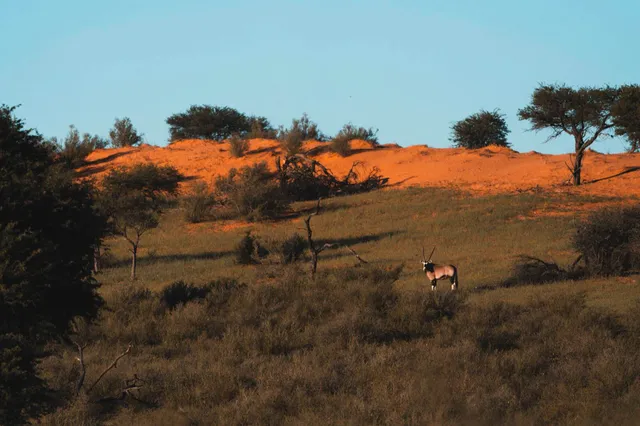
Spectacular desert landscape – The combination of high red dunes and vegetation-rich valleys creates a unique backdrop for unforgettable safari experiences.
Flexible safari experience – Whether on relaxed two-wheel-drive routes with fenced camps or on adventurous 4x4 routes with unfenced campsites and chalets – the park offers the right experience for everyone.
Key facts at a glance
Special feature – Kgalagadi is one of the best regions in southern Africa for predator sightings in open Kalahari landscapes.
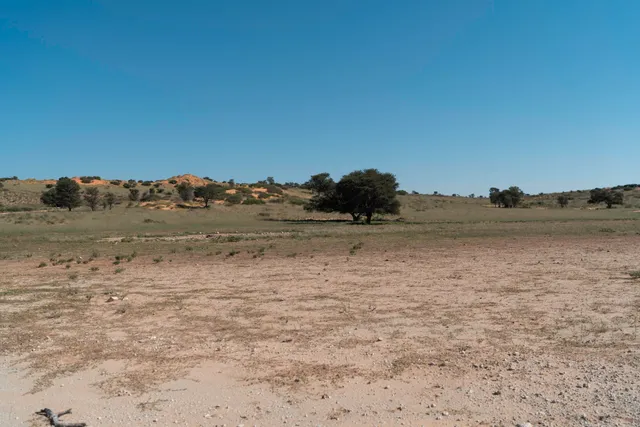
Landscape – In this region you will find red sand dunes, dry riverbeds, open plains and wide Kalahari landscapes.
Atmosphere – The region feels quiet, vast and clearly more unspoilt than many other safari areas in southern Africa.
Park gates – There are five gates, located in three different countries (South Africa, Namibia and Botswana). The KTP is a transfrontier park and lies in South Africa and Botswana. The park gates: Mata Mata (Namibia), Twee Rivieren (South Africa), Two Rivers, Mabuasehube and Kaa (Botswana).
Regions – The park consists of a South African and a Botswanan section. The border between the two is formed by the dry riverbed of the Nossob. On the Botswanan side you also find the Mabuasehube and Kaa regions.
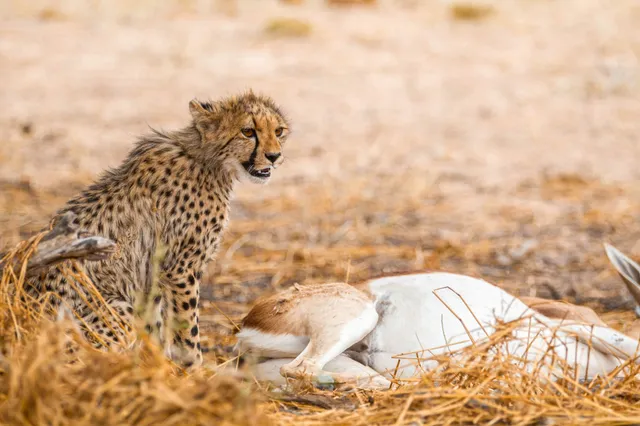
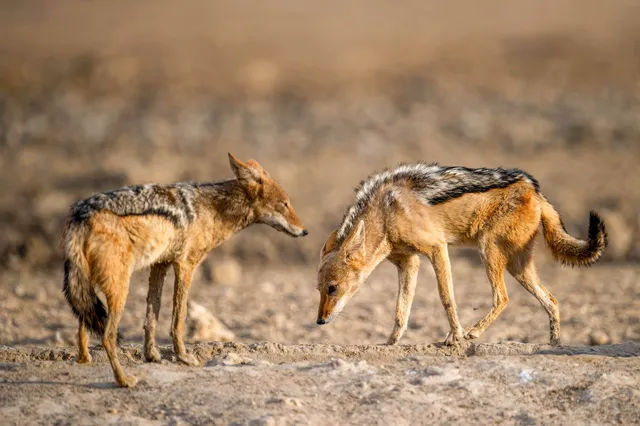
Wildlife viewing – You can frequently see lions with dark manes, cheetahs, hyenas and large antelope herds here.
Self-drive – The park is very well suited to self-drive trips. The South African section in particular is comparatively easy to travel.
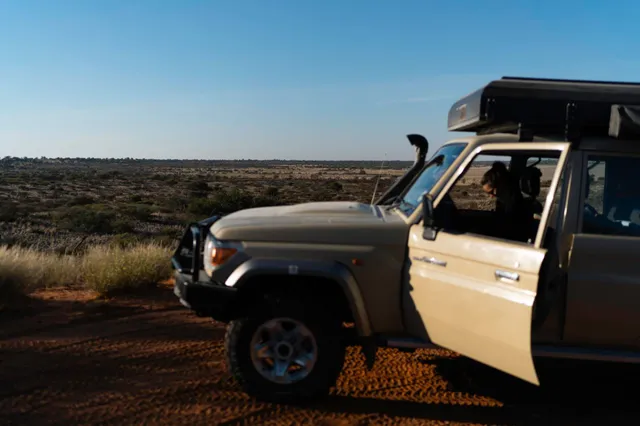
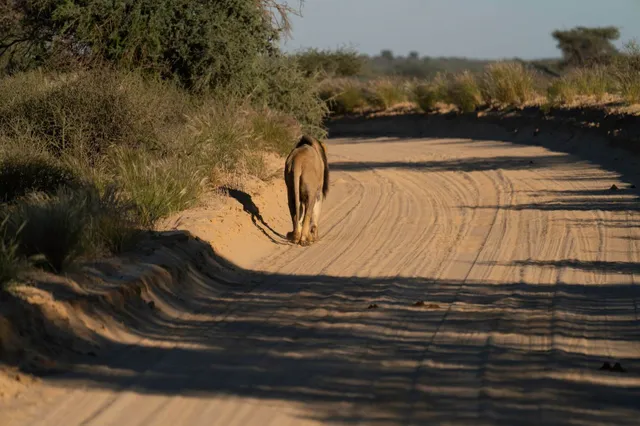
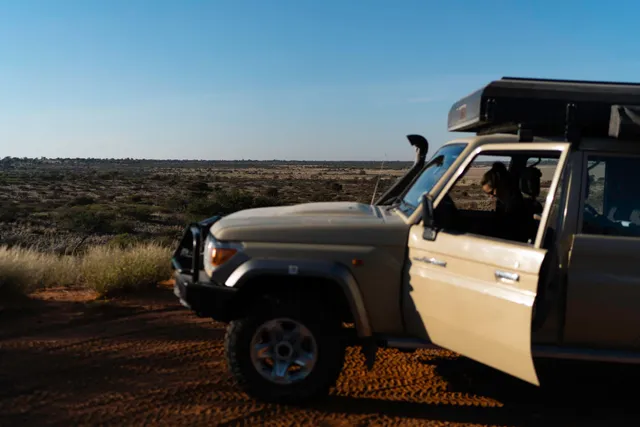
Roads – Main routes in the dry rivers Auob and Nossob are driveable with 2WD. For dune roads and north of Nossob a 4x4 vehicle is required.
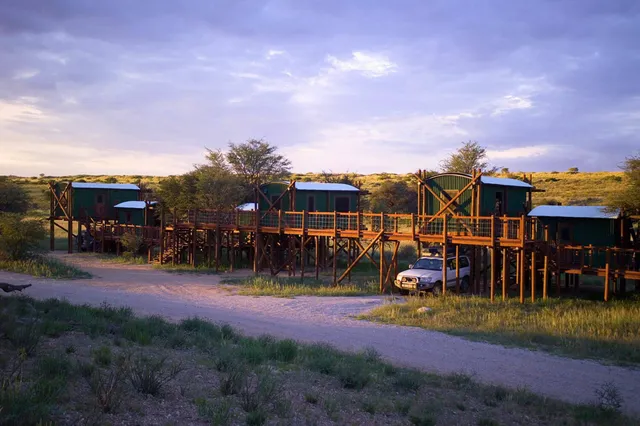
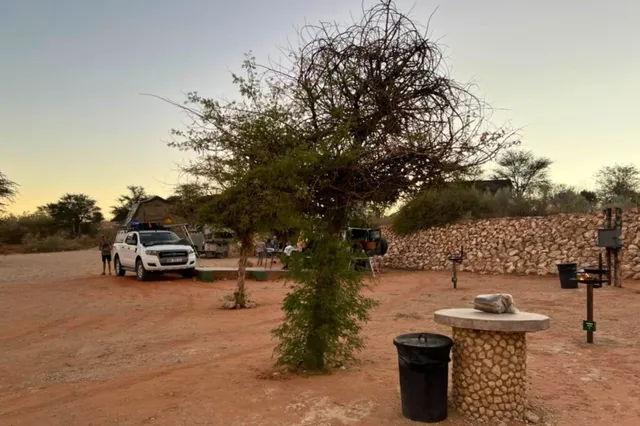
Campsites – The campsites on the Botswanan side lie without fences in the middle of nature. Animals move freely through the camp.
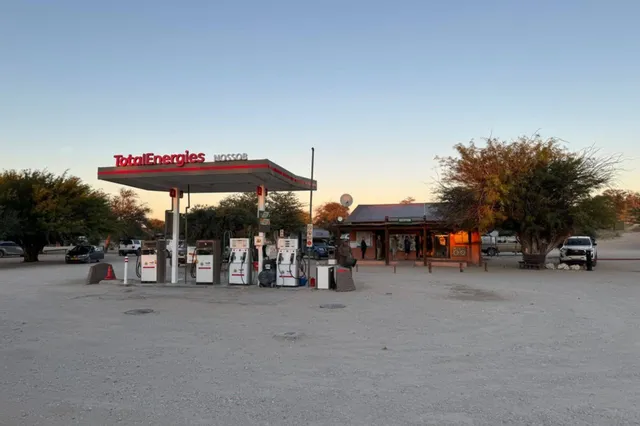
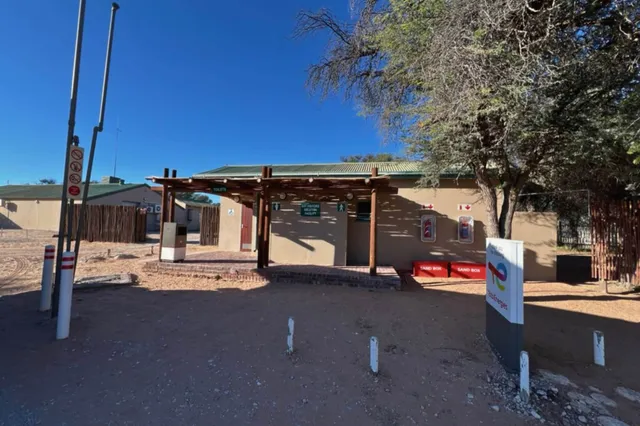
Supplies – In Twee Rivieren, Nossob and Mata Mata you will find petrol stations and small shops.
Border crossing – If you want to leave the park at a different point from where you entered, you need to be aware that all immigration formalities are carried out in Twee Rivieren / Two Rivers. You must plan a minimum stay of two nights in the KTP in order to be allowed to leave the park at a different point from your entry gate.
Climate – During the day it is often extremely hot and dry, at night it can become very cold – especially in the African winter.
Mobile reception & internet – Reception is usually only available around larger camps, or not at all.
Top highlights in the region
Kgalagadi Transfrontier Park (KTP) is a true paradise for safari lovers and adventurers. Dry river valleys, red sand dunes and an incredible variety of wildlife make this transfrontier park between South Africa and Botswana a unique travel destination.
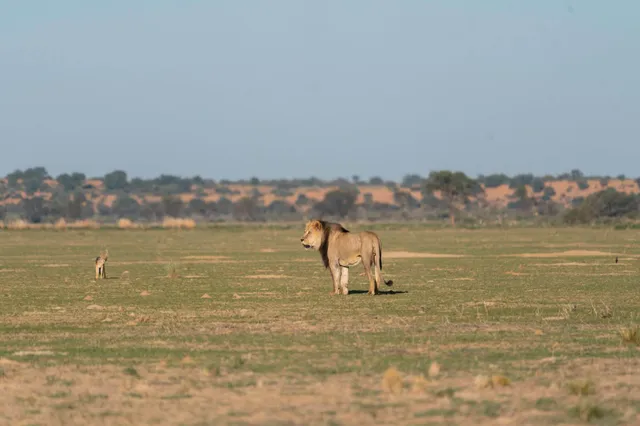
Auob riverbed – the southern lifeline
The Auob valley is one of the best areas for wildlife viewing in KTP. The river course winds from Mata Mata on the border with Namibia to Twee Rivieren Rest Camp. Along the dry riverbed there are numerous waterholes that attract big cats and antelopes. Especially in the early morning or late afternoon you have a good chance of spotting lions, cheetahs and leopards. The dune landscape provides a spectacular backdrop – a dream for photographers!
The following highlights await you along the Auob:
- Excellent wildlife sightings along the waterholes, including the Dalkeith waterhole, which is often visited by predators.
- Two inviting picnic sites, Kamqua and Auchterlonie, for relaxed breaks
- Particularly attractive landscape with red dunes near Mata Mata
- Border crossing to Namibia at Mata Mata
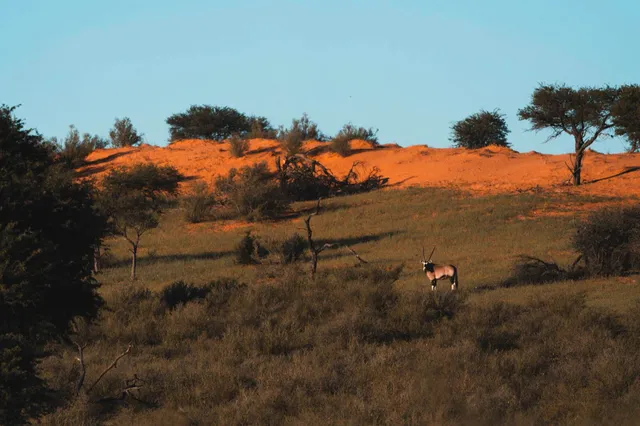
Nossob riverbed – the heart of the park
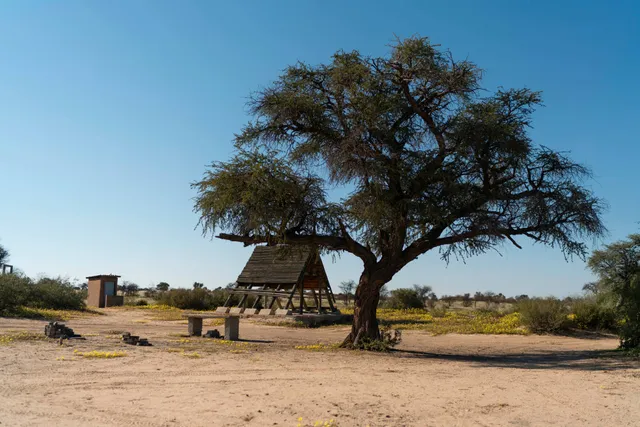
The Nossob valley begins at Twee Rivieren, where the park gate is located, and leads north-west. The further you travel north, the lonelier it becomes. On the western side of the dry riverbed lies South Africa, on the eastern side Botswana. Here you will find several waterholes and a photo hide at Nossob waterhole, where with a bit of luck you can watch black-maned Kalahari lions. In particular the Polentswa Campsite, which is not fenced, offers a real wilderness feeling – here you can stay overnight in the middle of the wild and experience the animals up close.
Highlights:
- Very good chances of seeing the famous Kalahari lions
- The further north you drive along the Nossob, the more remote it becomes
- Several picnic sites with toilets for relaxed breaks on a game drive through the Nossob
- Border crossing to South Africa at Twee Rivieren
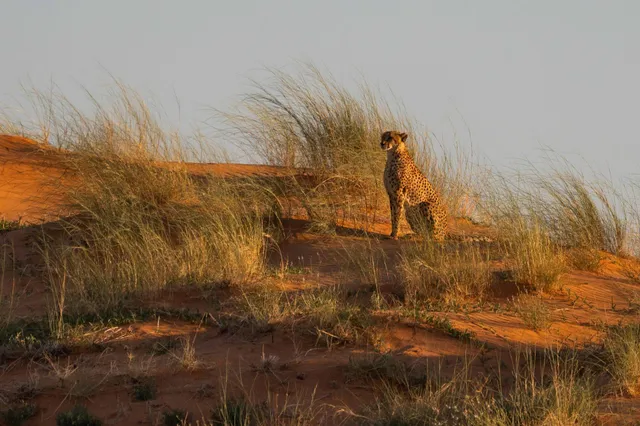
Mabuasehube – wild encounters in the east
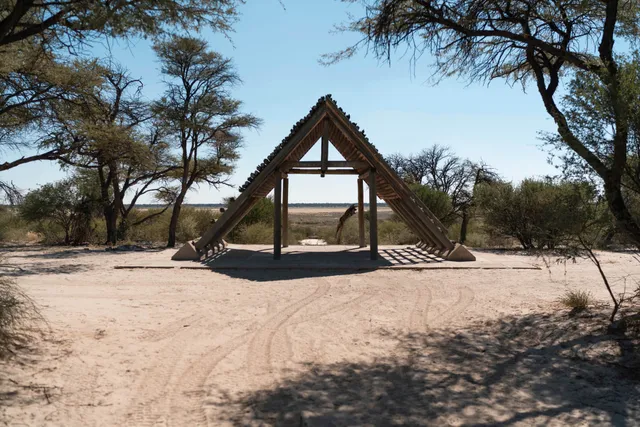
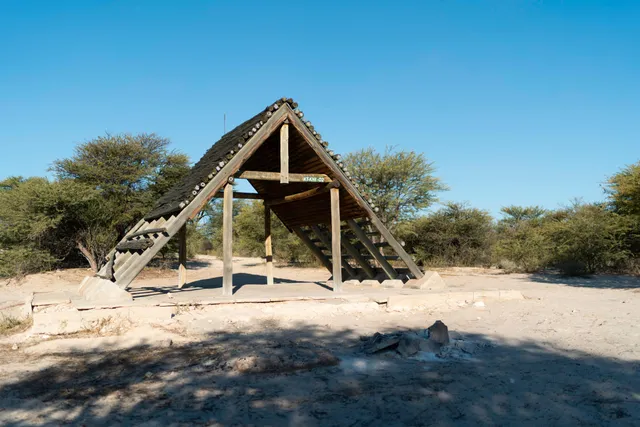
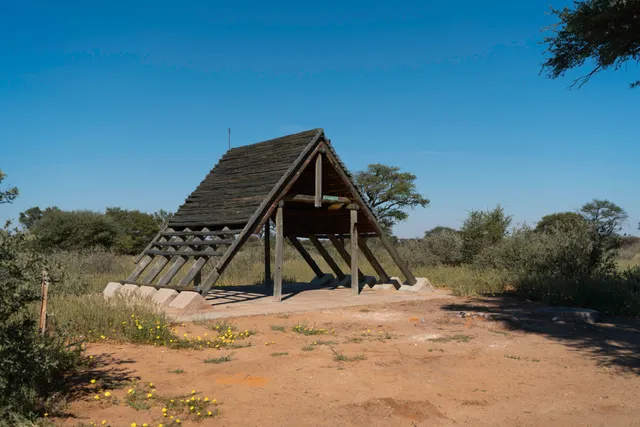
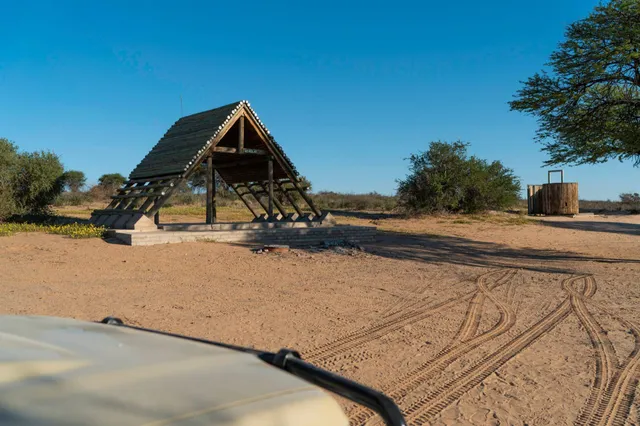
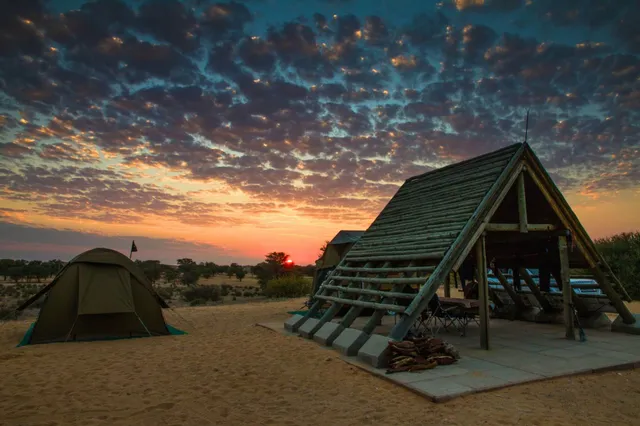
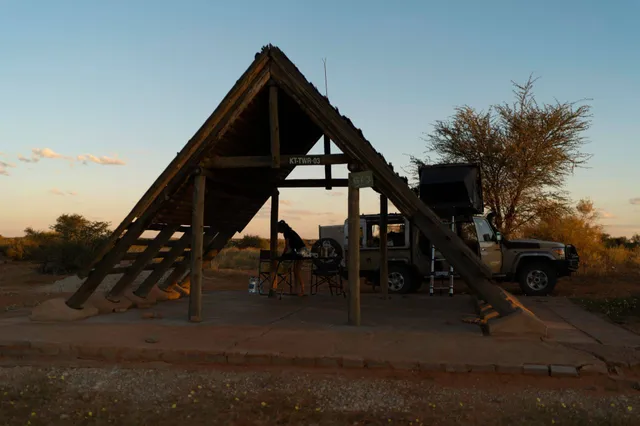
Mabuasehube is a remote region on the Botswana side of KTP. This area lies in the east of the park and can only be reached via a 4x4 track from Nossob Camp. Here you will find several large pans such as Mabuasehube Pan or Mpayathutlwa Pan, secluded campsites and absolute peace and quiet. The simple campsites lie directly on the pans and are perfect for wildlife viewing. What makes this region particularly special: lions that regularly roam through the campsites and love to rest in the shade of the A-frames.
Highlights:
- Important: this region is only accessible with a 4x4 vehicle.
- Adventurous camping in the middle of nowhere (there are only campsites here – no other types of accommodation)
- Park gate for the border crossing to Botswana
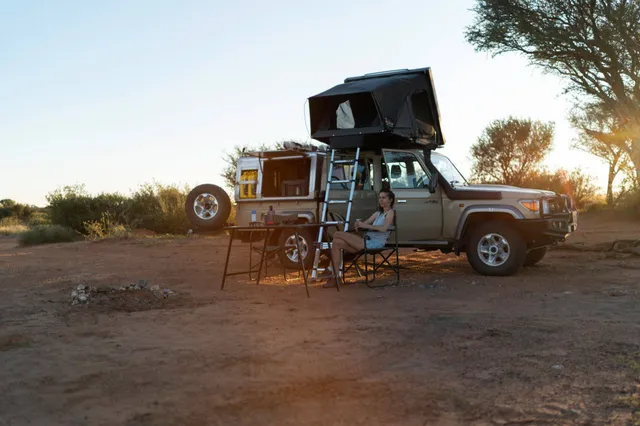
Kaa region – the remote Northern region
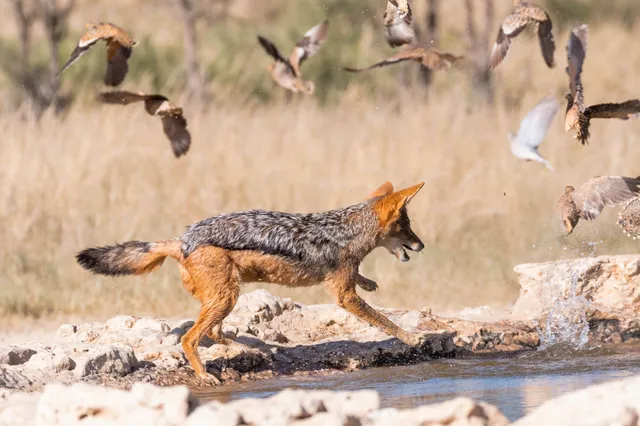
The Kaa region lies in the northern part of KTP and is one of the most inaccessible corners of the park – and that is exactly what makes it so special. Only a few travellers make their way here, which means you will almost have the wilderness to yourself. The landscape alternates between open grasslands and sand dunes, and you can watch lions, jackals and oryx antelopes in their natural environment.
Here you will find:
- Several simple but authentic campsites
- Untouched wilderness on the Botswana side
- Access via Kaa Gate from Hukuntsi or via the Polentswa region
Wilderness trails – for true adventurers
For all those who want to immerse themselves even deeper in the wild, the park offers exclusive wilderness trails. These require a special permit and are only suitable for 4x4 drivers.
Popular wilderness trails are:
- The Mabuasehube Wilderness Trail: connects the Mabuasehube region with the Nossob valley (at least 2 vehicles required)
- The Nossob 4x4 Eco Trail: a guided trail with a ranger through the deep Kalahari dune landscape
Pro tip: plan your route with our Wildful Stories app, which also gives you offline access to all important information on waterholes, camps and routes. That way you are perfectly prepared for your Kalahari adventure!
Which animals can you see here?
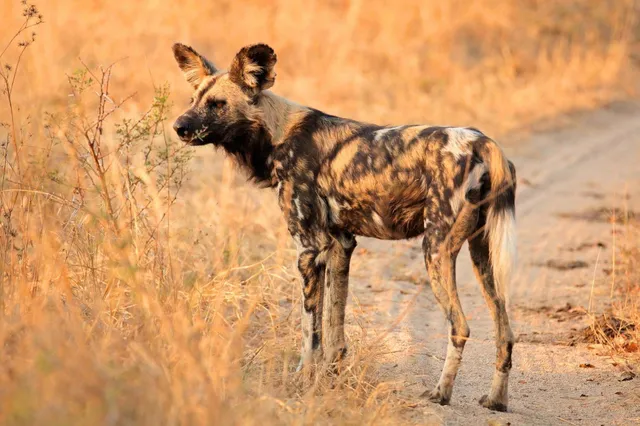
Kgalagadi Transfrontier Park is a true paradise for wildlife watching. The majestic black-maned lions and the elegant big cats such as cheetahs and leopards in particular make the park a unique destination. But the real magic lies in the unpredictability of wildlife encounters – sometimes the desert seems deserted, only to surprise you with spectacular sightings a moment later.
The highlights of the wildlife
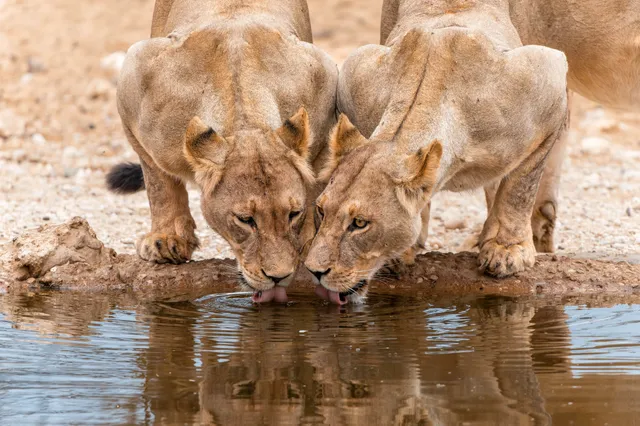
- Big cats: the park’s famous black-maned lions can often be seen at waterholes such as Samevloeiing (Conflucene) waterhole or Leeudril waterhole. Leopards and cheetahs also hunt in the Auob and Nossob valleys.
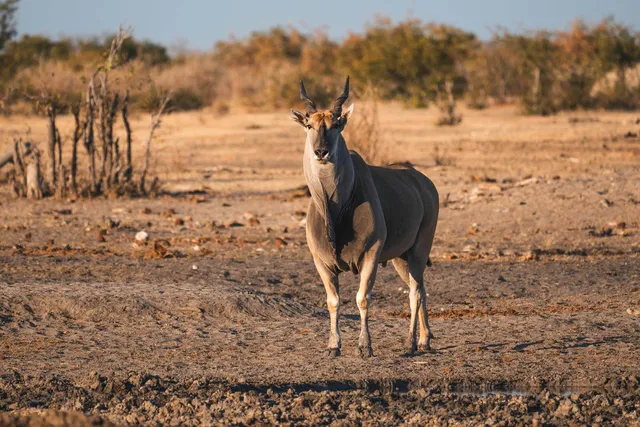
- Large herds: oryx, springbok and common eland roam the landscape in impressive herds.
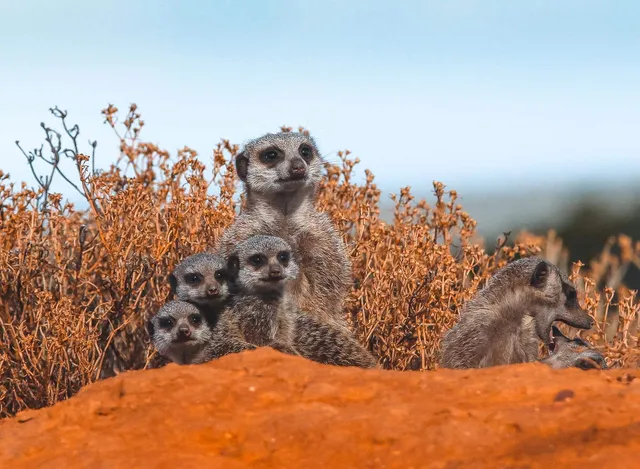
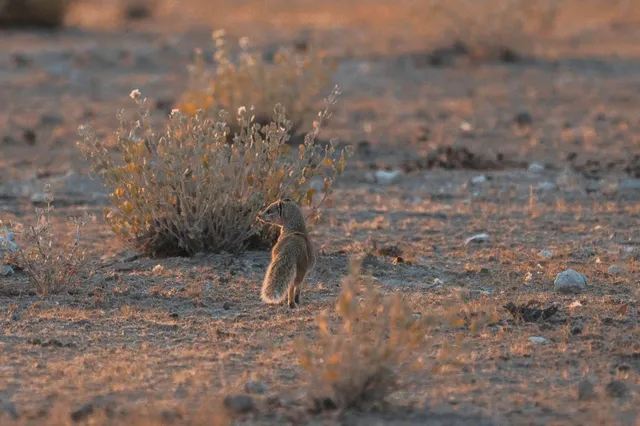
- Small but special: meerkats, with their social behaviour and alert posture, are entertaining to watch, especially in the morning.
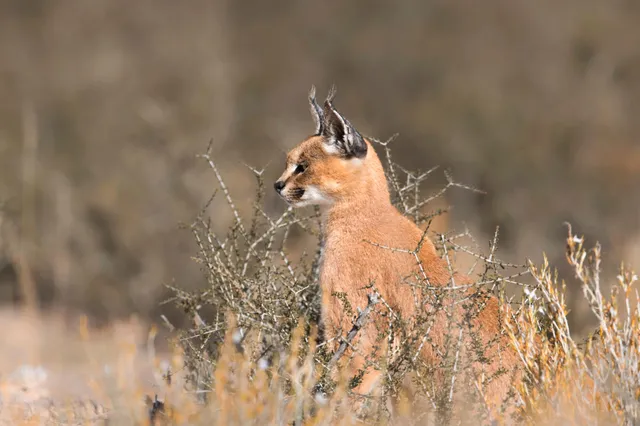
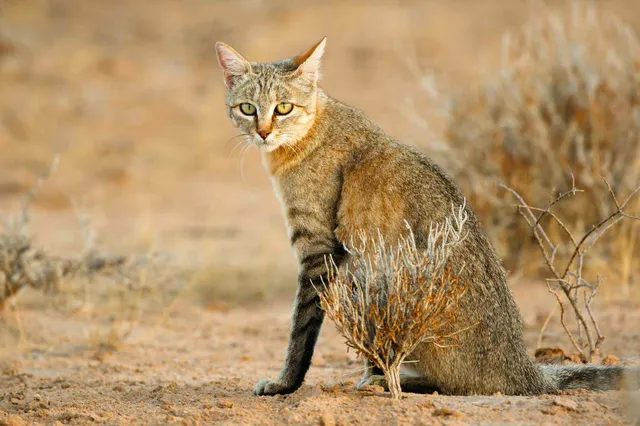
- Small predators: bat-eared foxes, honey badgers and the African wild cat are impressive hunters that are mostly active at night.
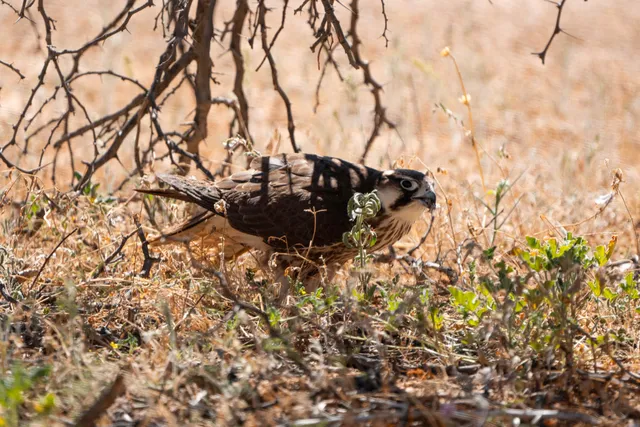
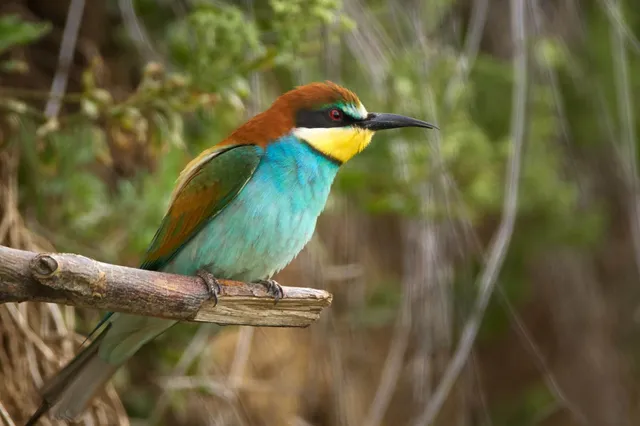
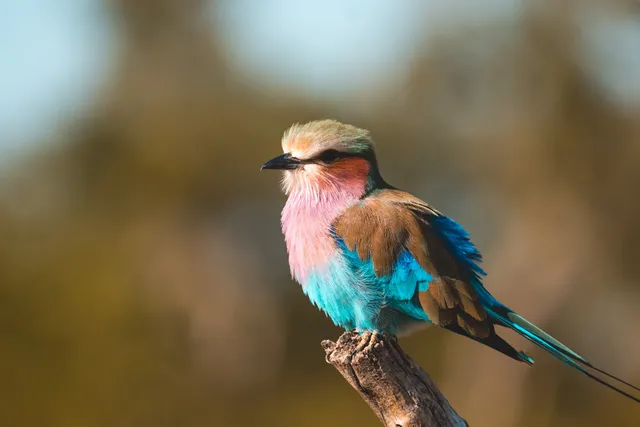
- Birdlife: colourful lilac-breasted rollers, agile European bee-eaters and majestic birds of prey such as martial eagles or the secretarybird dominate the wide skies of the park.
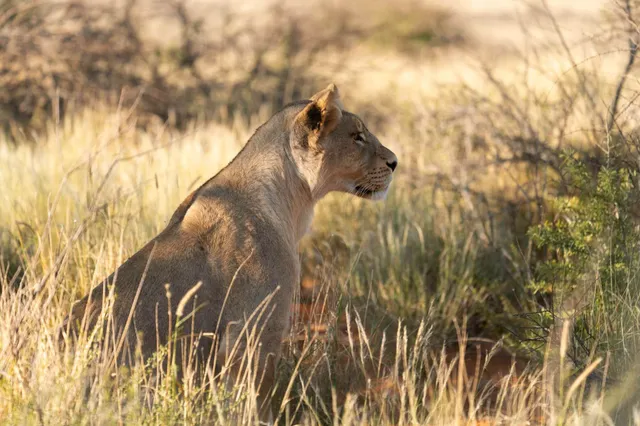
Where will you find the animals?
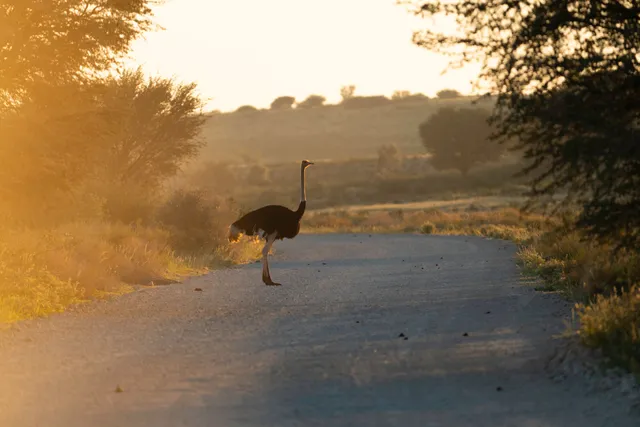
You’ll get the best wildlife sightings along the dry riverbeds of the Auob and Nossob. These lifelines of the park exert a magical pull on the game. Plan your game drives along this route and your chances are good of experiencing spectacular encounters.
Our insider tip: don’t be fooled by the apparent silence of the desert. Time moves differently here. On some days you will be overwhelmed by the abundance of wildlife, on others the Kalahari seems deserted. Open your senses to the small wonders too: a lizard scurrying over the hot sand or the song of a solitary bird can be just as impressive as a lion sighting.
With our Wildful Stories app you won’t miss any wildlife hotspots. The app shows you the best viewing points and helps you plan your safari perfectly.
When is the best time to visit?
Kgalagadi Transfrontier Park is a region of extremes – scorching heat in summer, frosty nights in winter and unpredictable rain showers that can transform the landscape in no time. Each season brings its own challenges and special experiences, which have a big influence on the wildlife and the appearance of the landscape. Here you can find out what to expect in the different months.
Dry season (May to October)
Winter means clear, sunny days but also icy nights with temperatures below 0°C. During this time the animals gather at the few remaining waterholes such as Urikaruus waterhole or Nossob waterhole. Vegetation is less dense, which makes it much easier to spot predators. Especially in the early morning and late afternoon you can observe exciting scenes here.
- Often pleasantly warm during the day, at night it can cool down to -11°C
- Windy August brings dust and spectacular sunsets
- No rainfall – waterholes are crucial for wildlife viewing
Rainy season (November to April)
Summer is the hottest time of the year, with temperatures that often climb above 40°C. The nights remain warm. Thunderstorms bring most of the annual rainfall, which briefly brings the desert to life. From January to March many antelope species give birth to their young, which in turn attracts predators. The chances of dramatic hunting scenes are particularly high now. With our Wildful Stories app you can also find the best spots for wildlife viewing offline.
- Spectacular thunderstorms with strong winds and dust storms
- Temperatures of up to 42°C in the shade
- Vegetation briefly blossoms after rainfall, then dries out again
- Springbok give birth to their young, which attracts predators
The most beautiful time of year: autumn (March to April)
After good rains the landscape is particularly attractive. The dunes and riverbeds transform into a blooming Kalahari that attracts many animals.
- Temperatures are more pleasant than in high summer
- Flower displays and fresh grass make the landscape especially beautiful
- Large herds of animals gather in the riverbeds
- Springbok can have a second lambing season
- Many birds of prey roam the area in search of food
Our tip: plan your trip with our detailed offline guide in the Wildful Stories app. Here you’ll find not only the best times for wildlife viewing but also practical tips for every season.
Important information for self-drivers
Kgalagadi Transfrontier Park is a true paradise for self-drivers looking for adventure and independence. But this very freedom also demands good preparation. We’ve put together all the key information so that you can plan your safari perfectly.
Accommodation options for every taste
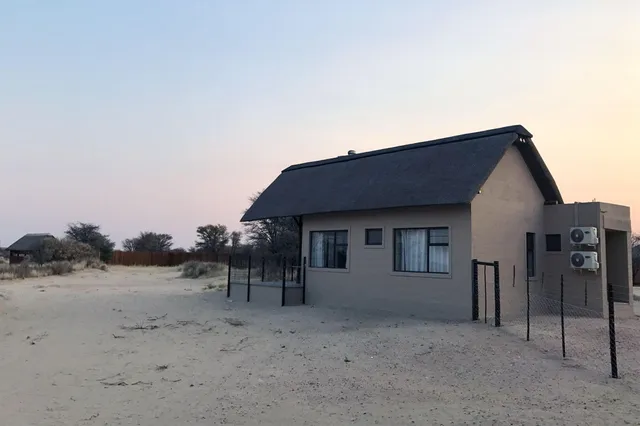
The park offers various types of accommodation for different needs:
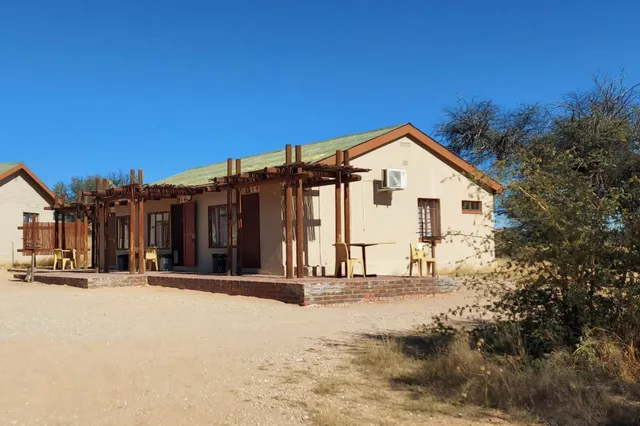
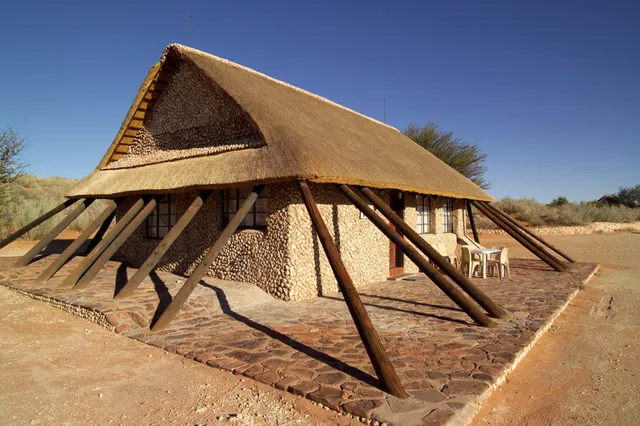
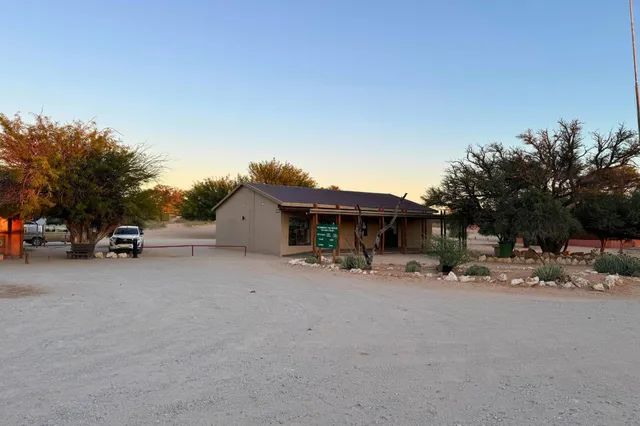
- Rest camps: the three main camps Twee Rivieren, Mata Mata and Nossob offer comfortable self-catering accommodation with electricity and hot water
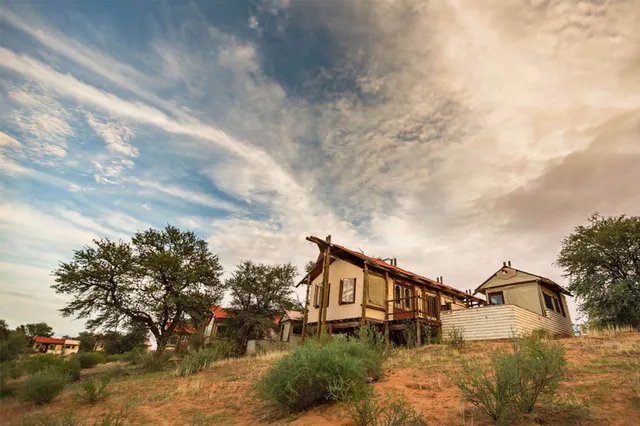
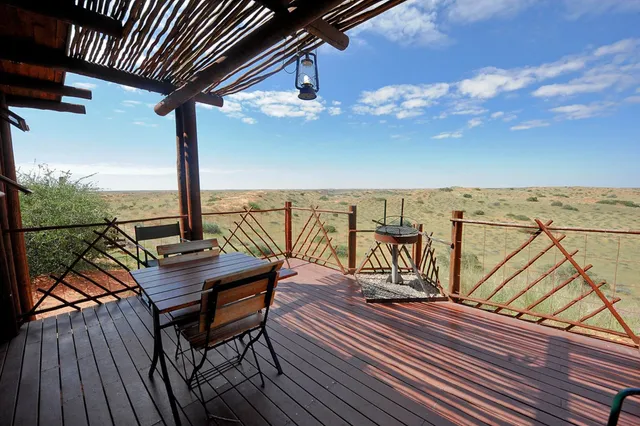
- Wilderness camps: rustic camps such as Kalahari Tented Camp or Bitterpan for a genuine wilderness experience
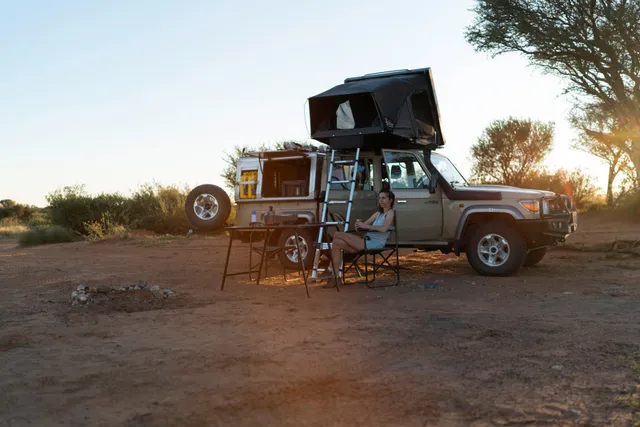
- Campsites: for campers there are various options, from well-equipped sites in the rest camps to remote wilderness campsites
Road conditions and vehicle recommendations
The main routes are generally easy to drive, but you’ll need the right vehicle for certain areas:
- Main routes in the dry riverbeds of Auob and Nossob: passable with a normal 2x4 vehicle
- Dune roads and the area north of Nossob: 4x4 vehicle only
Supplies in the park
Supplies are limited but sufficient:
- Supermarkets: basic shops in Twee Rivieren, Nossob and Mata Mata
- Petrol stations: available at all three main camps
- Tip: bring essential supplies with you, especially fresh and long-life food
Communication and connectivity
Be aware that you are really offline here:
- Mobile phone reception only in a few places
- WiFi vouchers available in Mata Mata, Twee Rivieren and Nossob
It’s best to plan your route in advance with our Wildful Stories app, which also works offline and provides you with all the important information on camps and waterholes.
Important information on getting there
Before you set off on your adventure in Kgalagadi Transfrontier Park, you should plan your journey well. We’ve put together the most important information so that you’re perfectly prepared.
Distances and driving times
The dimensions of the park are impressive. Allow for the following driving times between the main points:
- Mata Mata to Twee Rivieren: about 3.5 hours
- Mata Mata to Nossob: about 4.5 hours
- Twee Rivieren to Nossob: about 4.5 hours
- Nossob to Union's End: about 4 hours
Border crossings and entry regulations
Kgalagadi Transfrontier Park is a transfrontier national park that lies in both South Africa and Botswana.
Border crossings:
- Twee Rivieren Border Post (South Africa/Botswana)
- Mata Mata Border Post (Namibia/South Africa)
- Kaa Gate Border Post (Botswana)
- Mabuasehube Gate (Botswana)
If you want to leave the park at a different point from where you entered, you must bear in mind that all immigration formalities are carried out at Twee Rivieren (South Africa) / Two Rivers (Botswana). You must plan for a minimum stay of two nights in Kgalagadi Transfrontier Park so that you are allowed to leave the park at a different point from where you entered.
Tip: download our Wildful Stories app. With offline mode you will stay on top of routes, camps and waterholes even without network coverage.
Conclusion: your adventure in Kgalagadi Transfrontier Park
We’ve taken you on a journey through one of Africa’s most fascinating national parks. Kgalagadi Transfrontier Park captivates with its majestic black-maned lions, endless dune landscapes and authentic wilderness experiences. Whether you explore the main routes or venture into the remote Mabuasehube and Kaa regions – a real safari adventure awaits you here. With the right preparation and our tips, nothing stands in the way of your unforgettable Kalahari experience.
Parks & regions
Activities in Kgalagadi Transfrontier Park
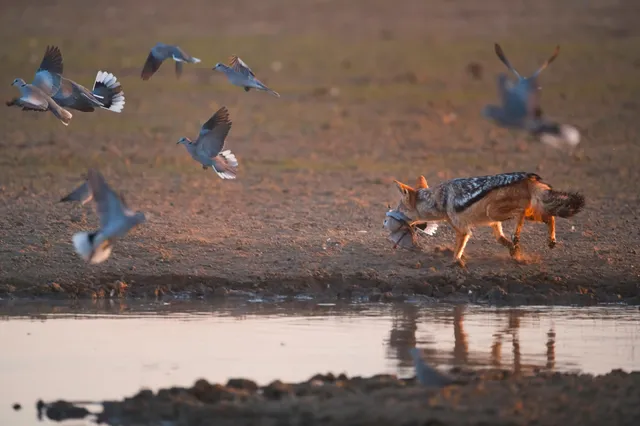
Places to stay in Kgalagadi Transfrontier Park
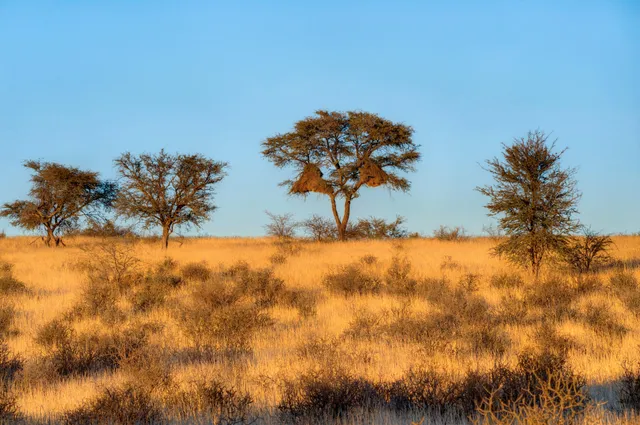
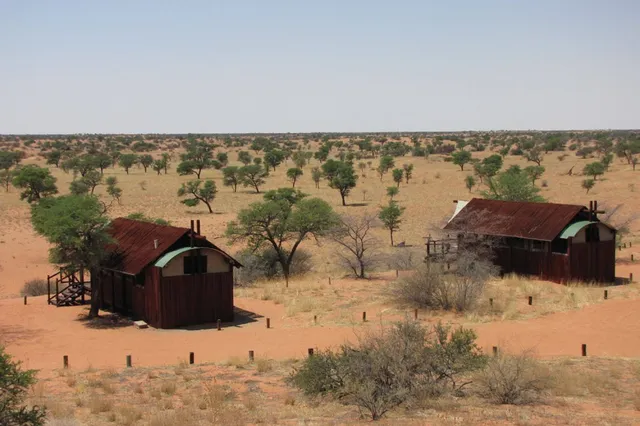
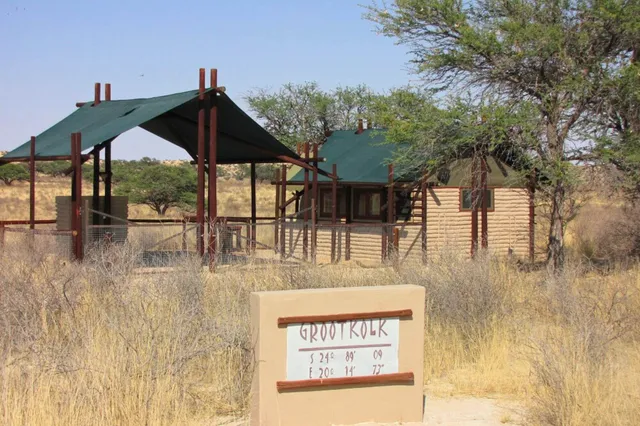
Campsites in Kgalagadi Transfrontier Park
Wildlife in Kgalagadi Transfrontier Park
Plan your trip through Kgalagadi Transfrontier Park in the app.
Save activities and places to stay, put your route together and take everything with you offline.




With Wildful Stories+ you also get: travel tips on scenery, wildlife, weather and prices for the month you travel. More about Wildful Stories+
Photo credits: 01: Shutterstock/Wayne Marinovich, 01: Shutterstock/Gozzoli; 02: Shutterstock/Photography Phor Phun, Shutterstock/Arab, Shutterstock/Henk Bogaard, Shutterstock/Andrew M. Allport, Shutterstock/Wolf Avni, 01: Shutterstock/Henk Bogaard, 01-02: Shutterstock/Martin Mecnarowski, SanParks, Shutterstock/Bernie Van Der Vyver