Translated from German. We write our content in German.Show original
Chobe National Park: everything for planning your trip
Chobe National Park brings together three different regions in one protected area: the easily accessible Chobe riverfront, the wild Savuti region with its wide open savannahs and the remote, almost untouched Linyanti swamp landscape.
Why you’ll love it here
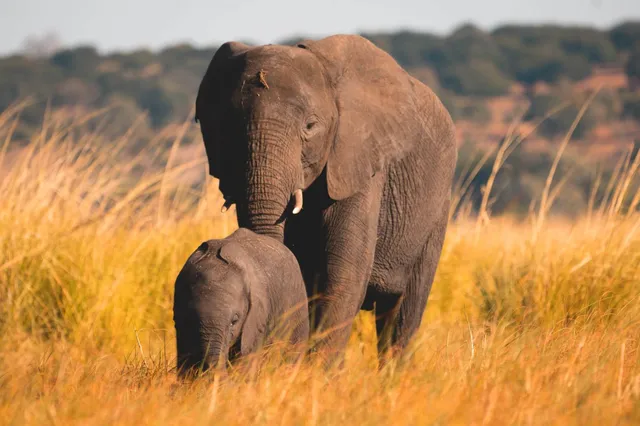
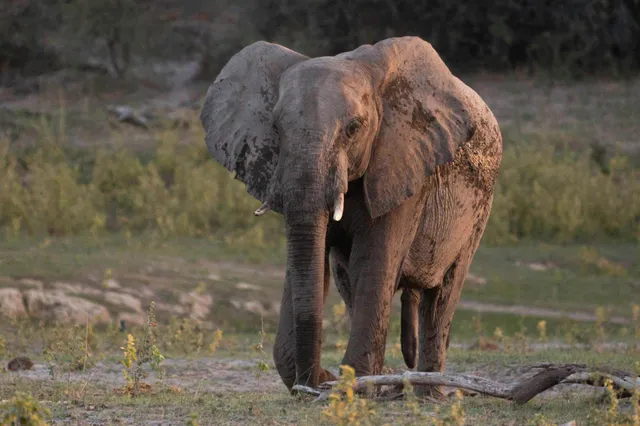
Experience the largest elephant population in Africa up close – Nowhere else can you observe so many of these majestic animals in their natural environment.
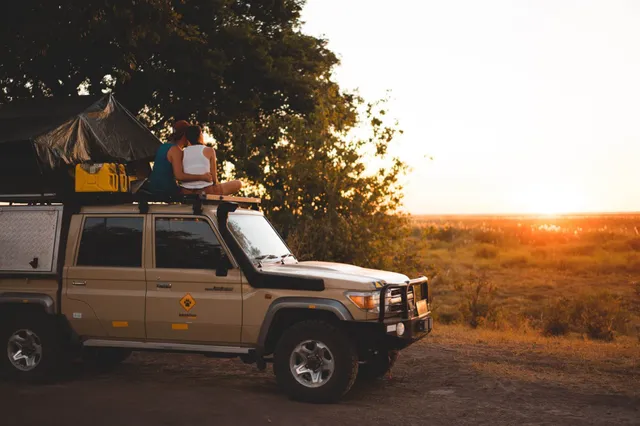
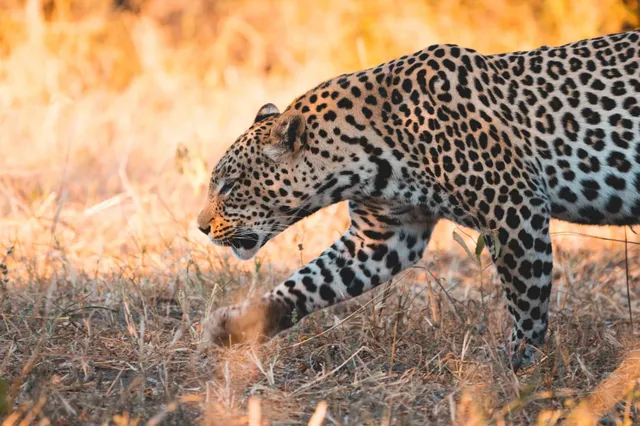
Perfect for self-drive safaris – Discover wildlife in its natural habitat – including impressive predators such as lions and leopards – and shape your adventure entirely at your own pace.
Unforgettable wildlife viewing on the Chobe river – Watch elephants from close up – whether on land or on a relaxed boat cruise on the water.
Key facts at a glance
Special feature – Chobe is one of the most popular and wildlife-rich national parks in Africa and is particularly famous for its large elephant herds.
Landscape – In this region you will find river landscapes, open savannahs, swampy plains and dry bushveld.
Atmosphere – Depending on the region, Chobe feels very different – from the busy Chobe river to remote wilderness.
Regions – The park consists mainly of the Chobe riverfront, Savuti and Linyanti, which differ greatly in landscape and safari experience.
Chobe riverfront – The region along the Chobe river is particularly well known for its high elephant density and boat safaris.
Savuti – Savuti is known for its open plains, lions and the mysterious Savuti Channel.
Linyanti – The Linyanti region feels noticeably more remote and is one of the quietest safari areas in the park.
Safari feeling – While the riverfront can feel partly busy, Savuti and Linyanti often feel much wilder and more secluded.
Self-drivers – The park is well suited for self-drivers with a 4×4 vehicle. A satellite phone is recommended.
Gates – The park entrances for the Chobe riverfront are Sedudu Gate (east) and Ngoma Gate (west). The park entrances for Savuti and Linyanti are Ghoha Gate (north), Mababe Gate (south) and Linyanti Gate (north).
Roads – Many tracks are very sandy and can become very challenging depending on the rains.
Campsites – The campsites are not fenced. Animals move freely through the camps.
Infrastructure – You will mainly find petrol stations and larger supplies in Kasane outside the park.
Climate – The region is hot and often more humid and greener in the African summer months.
Mobile network & Internet – Reception is usually only available around Kasane or in some spots along the riverfront.
Parks & regions
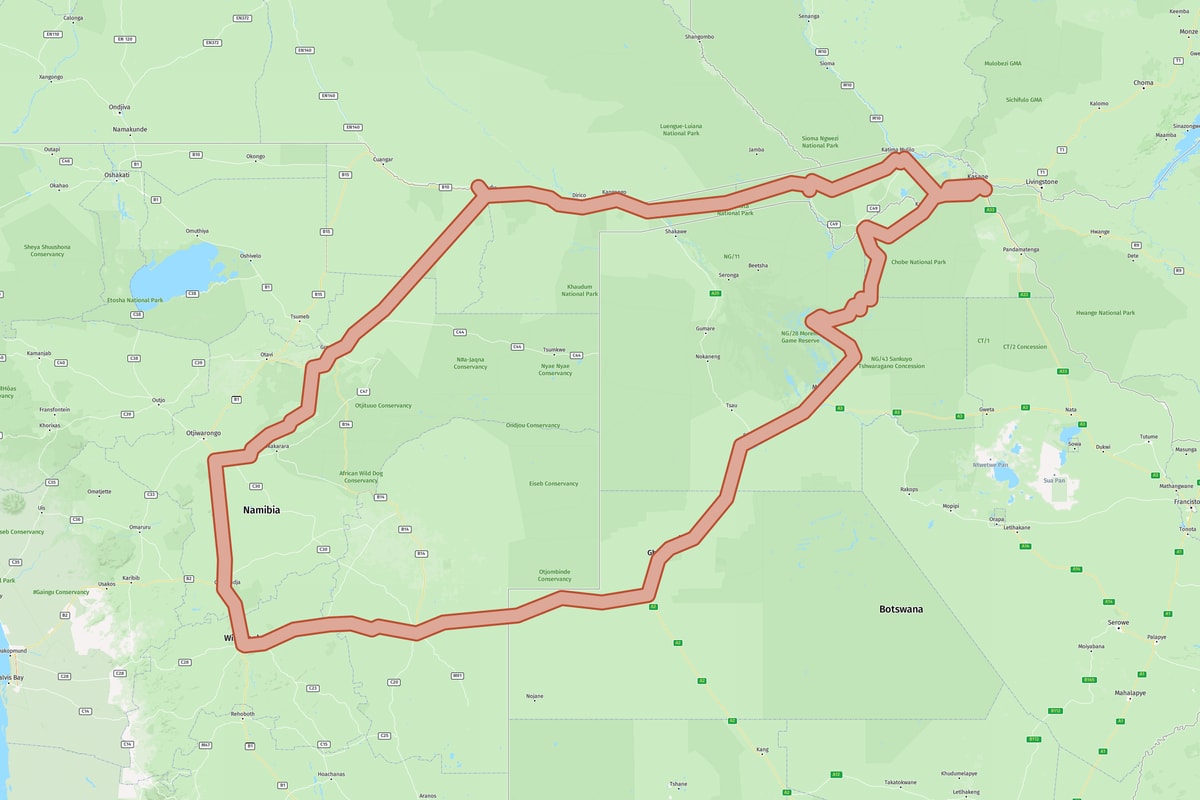
Routes through Chobe National Park
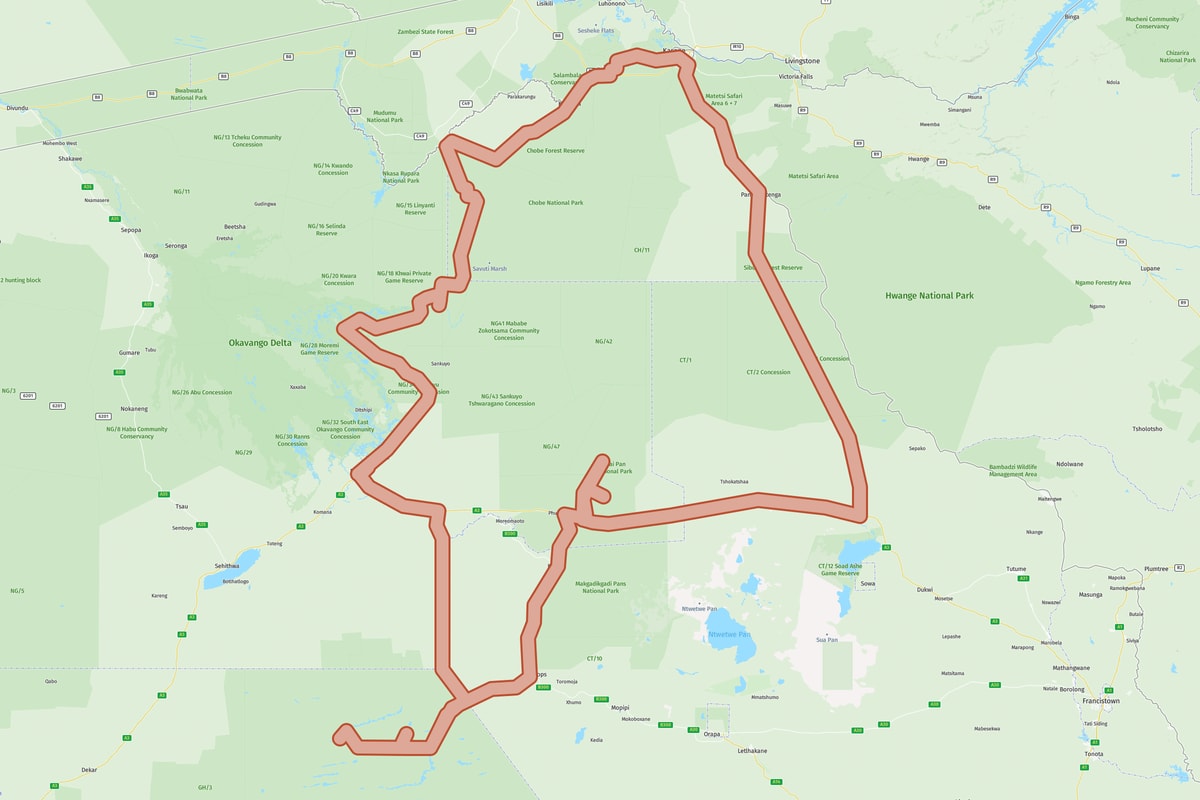
Activities in Chobe National Park
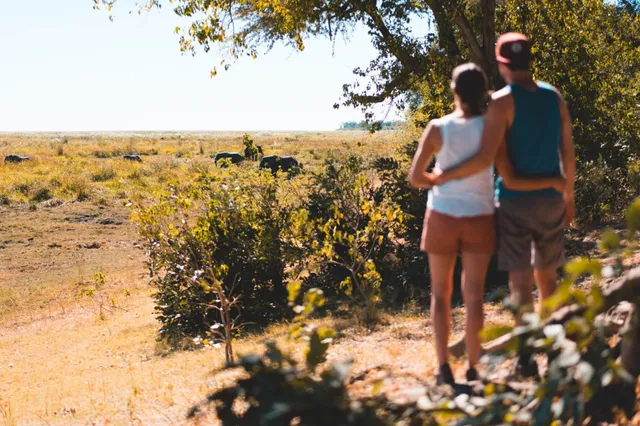
Get deep insight into the rhythm of nature at the remote campsite
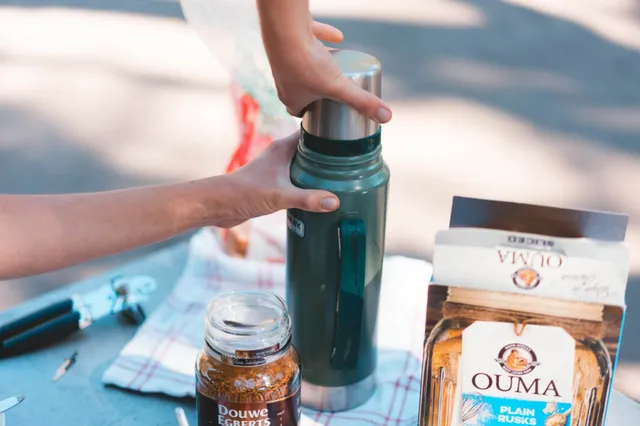
Watch life on the Chobe River during a leisurely picnic break
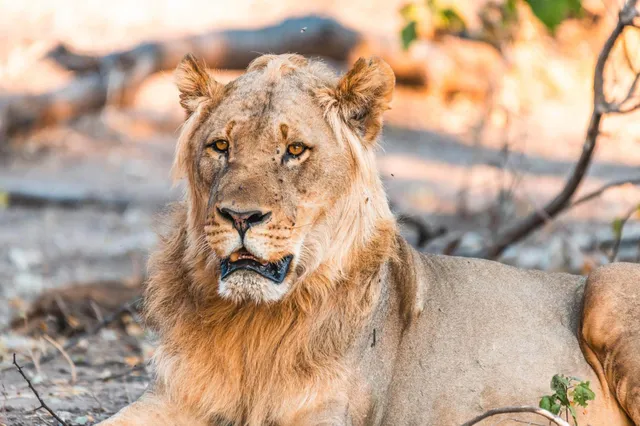
Watch the local lion pride after a successful night-time hunt
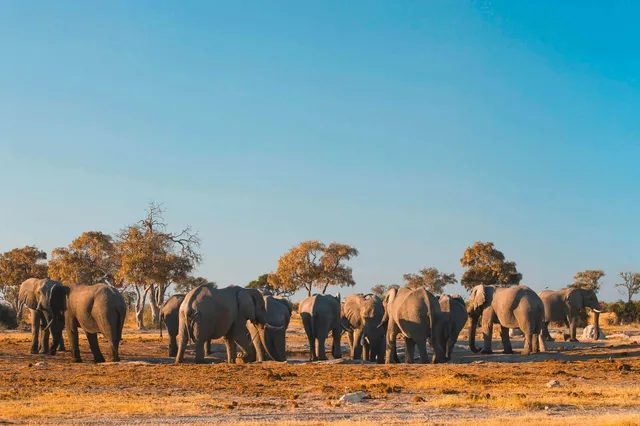
Watch impressive bull elephants in rugged beauty on an evening game drive
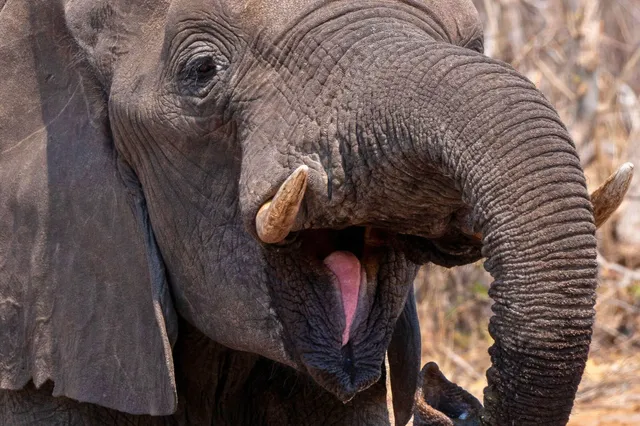
Watch elephants drinking on the riverbank below you
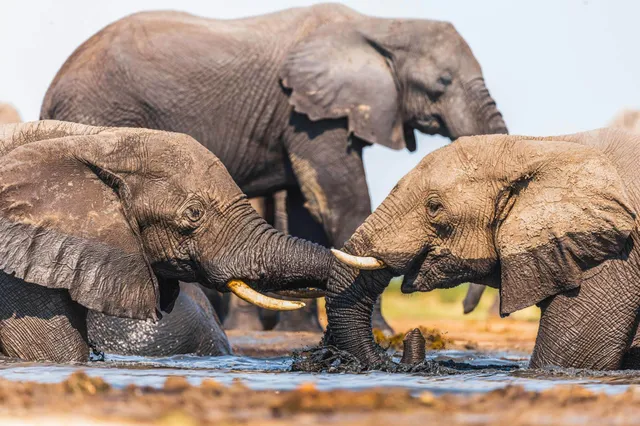
Watch bull elephants and listen to the sounds of the wilderness
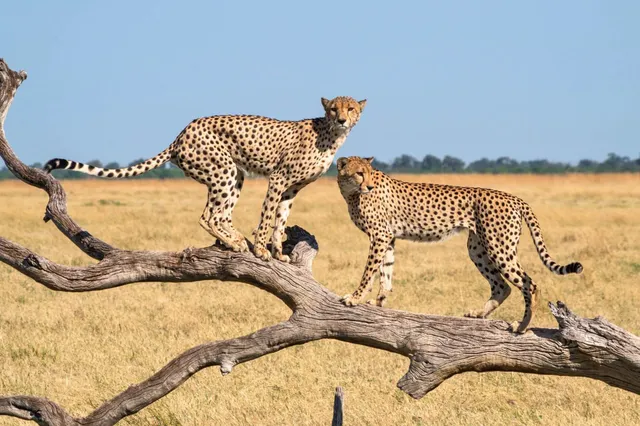
Watch cheetahs between Savuti Marsh and the mopane woodland
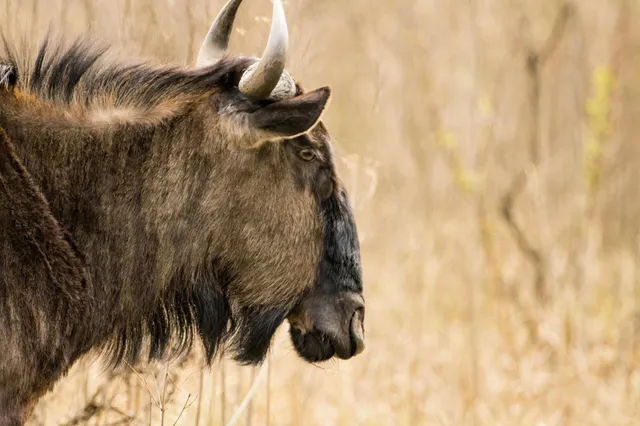
Watch giraffes and wildebeest at the Peters Pan waterhole
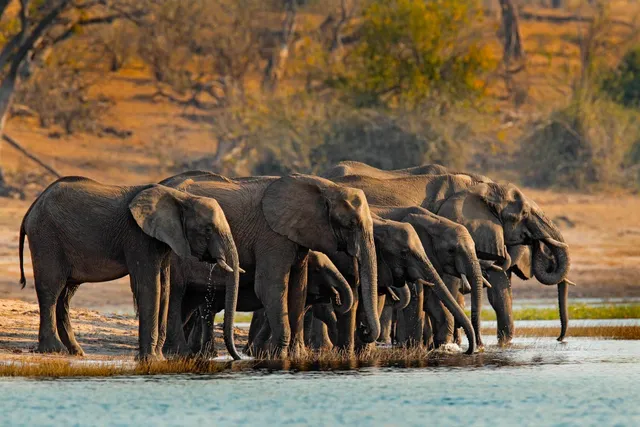
Watch hundreds of elephants along numerous waterholes on the Chobe River
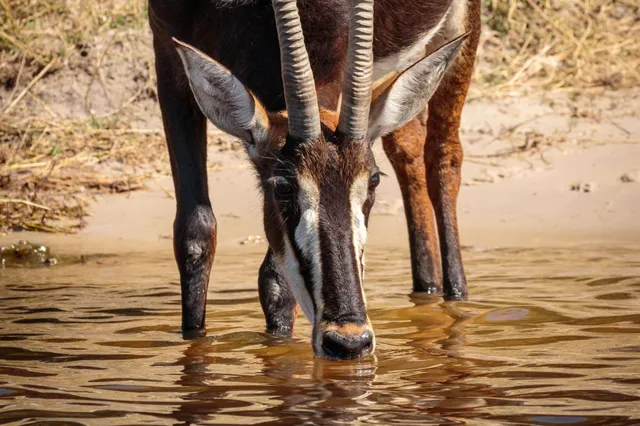
Watch roan and sable antelopes at the quiet waterhole
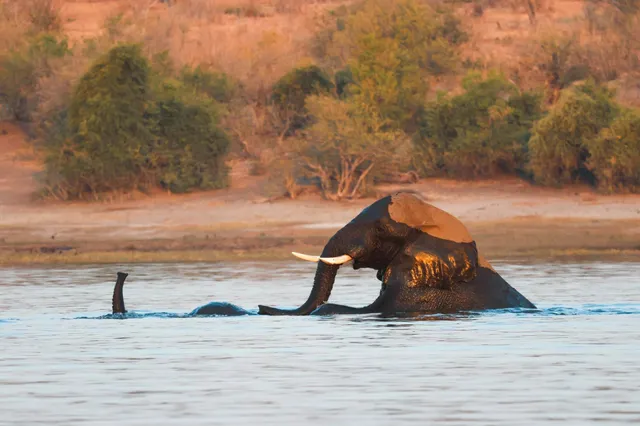
Watch swimming elephants at sunset on a boat trip
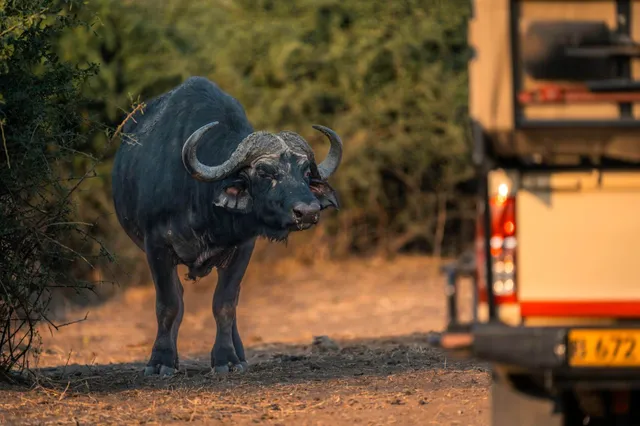
Discover Chobe’s quiet side away from the river in Simwanza Valley
Places to stay in Chobe National Park
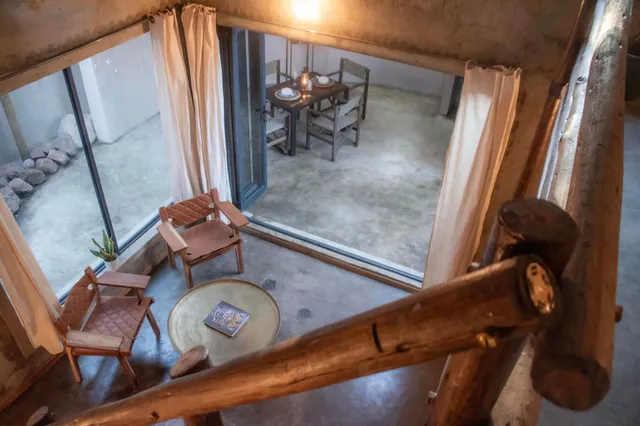
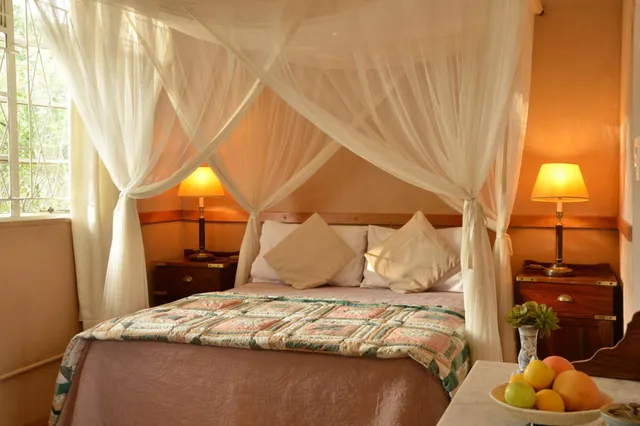
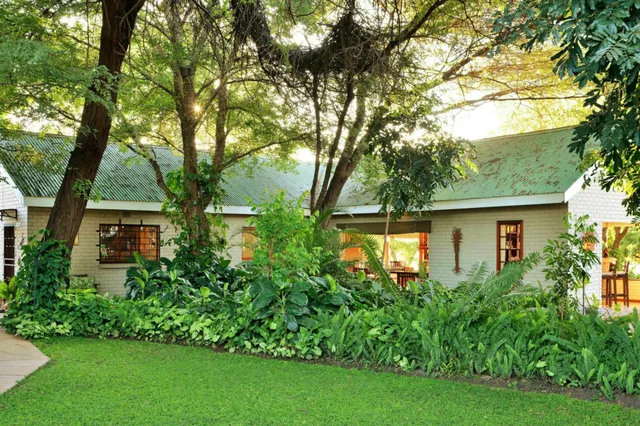
Campsites in Chobe National Park
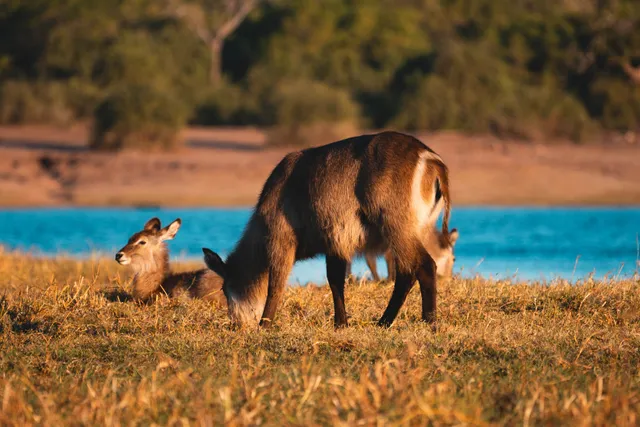
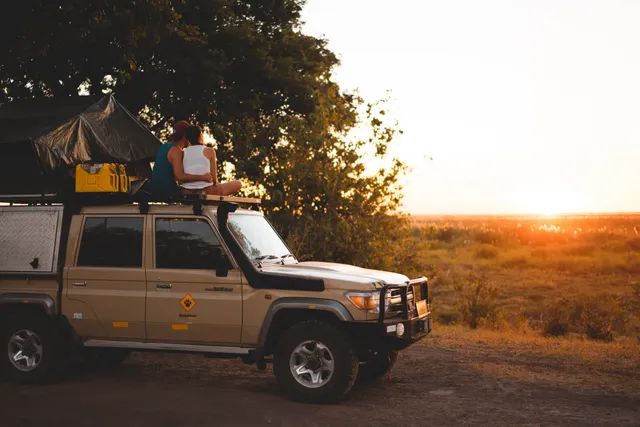
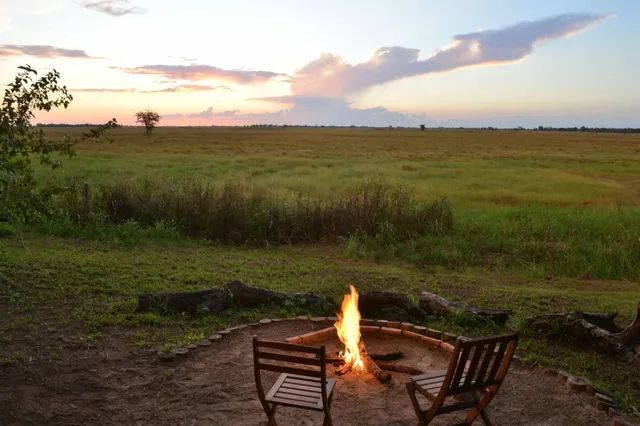
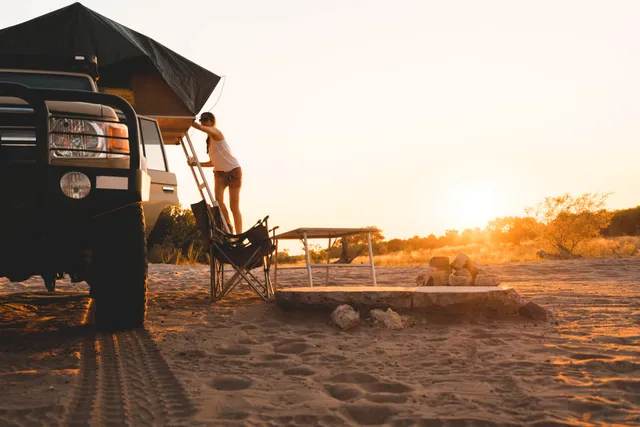
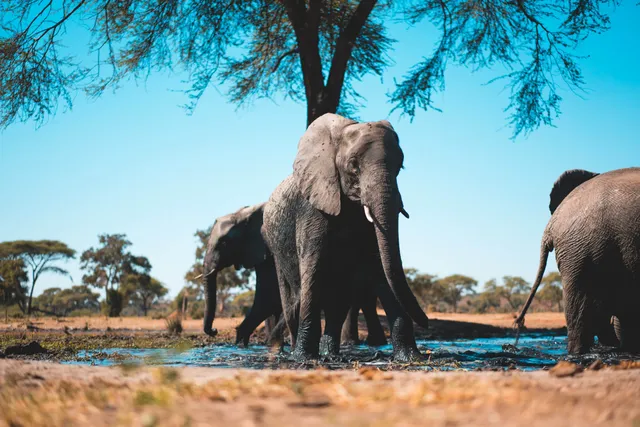
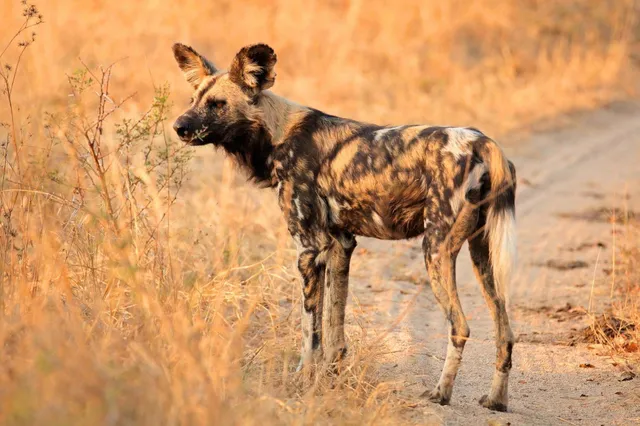
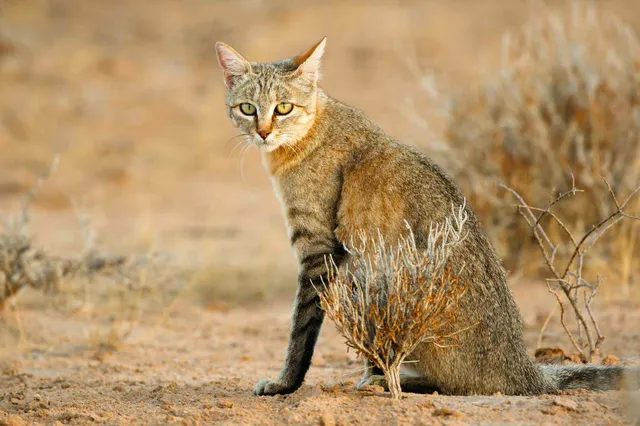
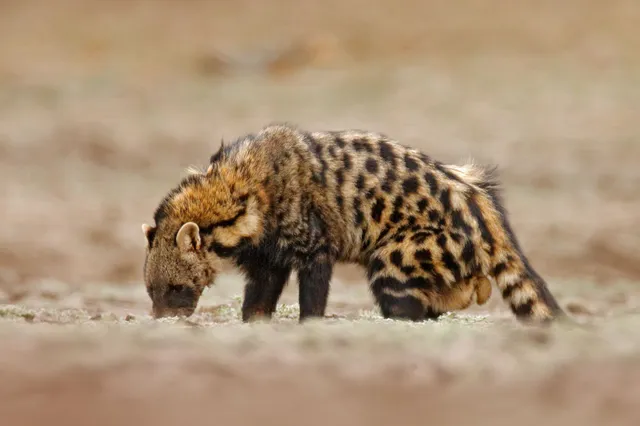
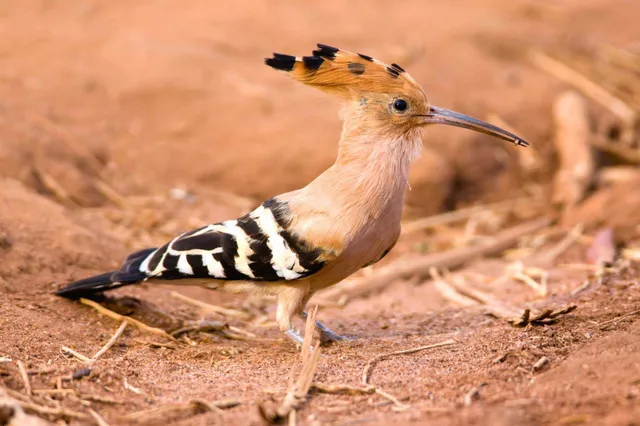
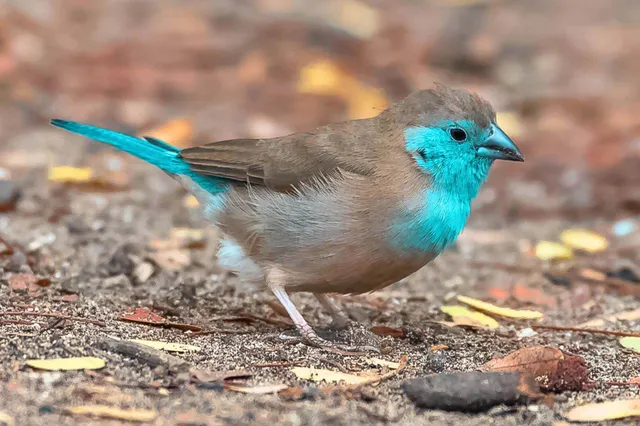
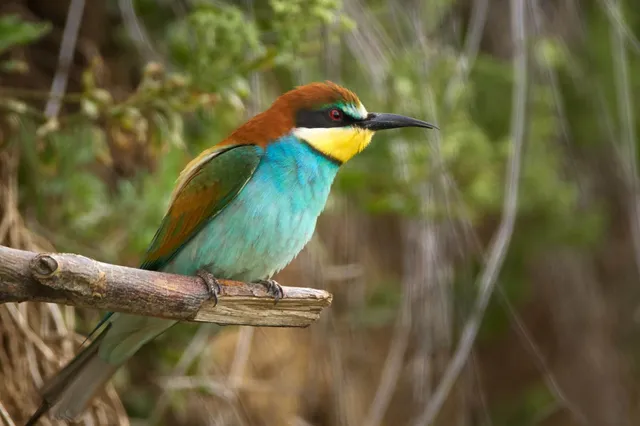
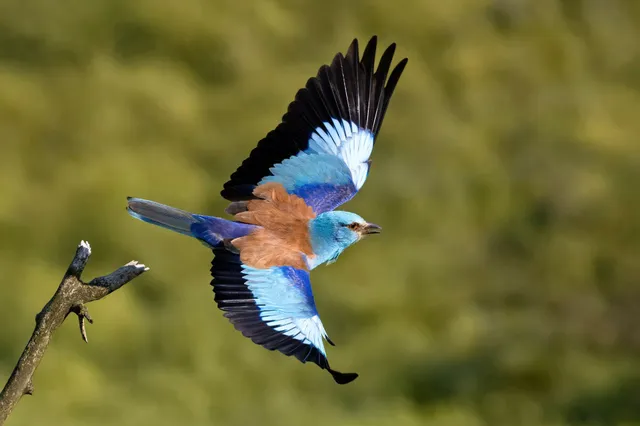
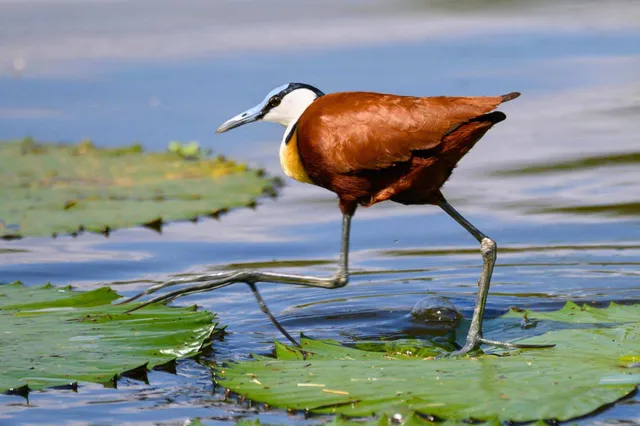
Wildlife in Chobe National Park



Plan your trip through Chobe National Park in the app.
Save activities and places to stay, put your route together and take everything with you offline.




With Wildful Stories+ you also get: travel tips on scenery, wildlife, weather and prices for the month you travel. More about Wildful Stories+
Photo credits: Shutterstock/Benjamin B, Jan Hermeneit, Shutterstock/Roger de la Harpe, Shutterstock/Thomas Retterath, Shutterstock/Ondrej Prosicky, Shutterstock/CassandraSm, Shutterstock/Nick Dale Photo, Chobe House, Muchenje Campsite & Cottages, River View Lodge