Translated from German. We write our content in German.Show original
South Africa: everything for planning your trip
Wild safaris, vibrant metropolises, breathtaking coasts and majestic mountains. That is South Africa!
Why you’ll love it here
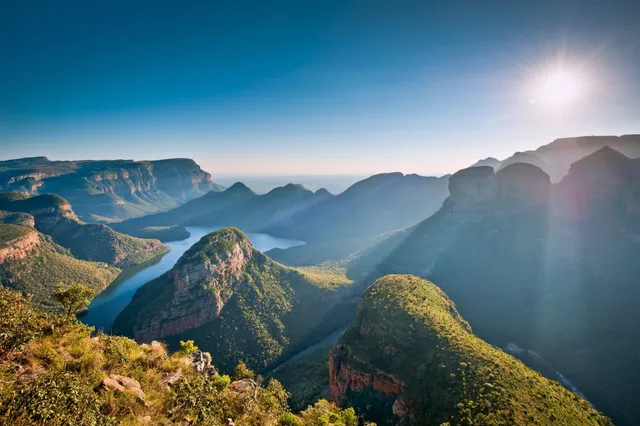
Panorama Route & Blyde River Canyon – One of the most impressive roads in the country, with dramatic views, waterfalls and the third largest canyon in the world.
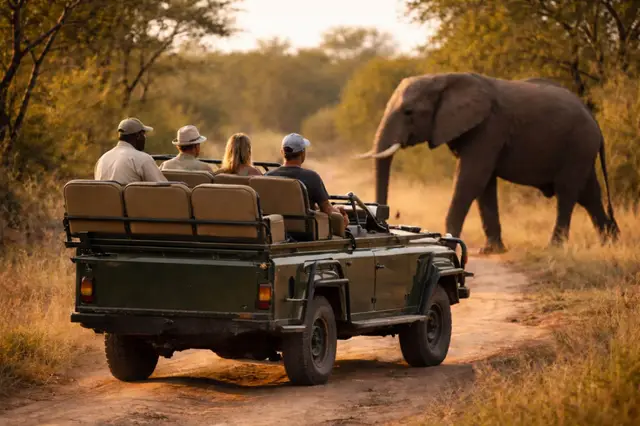
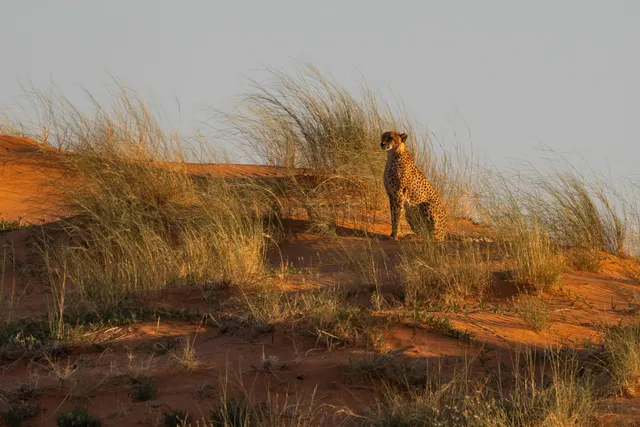
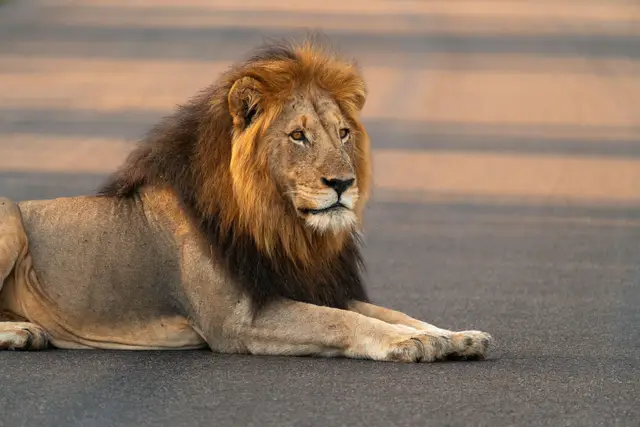
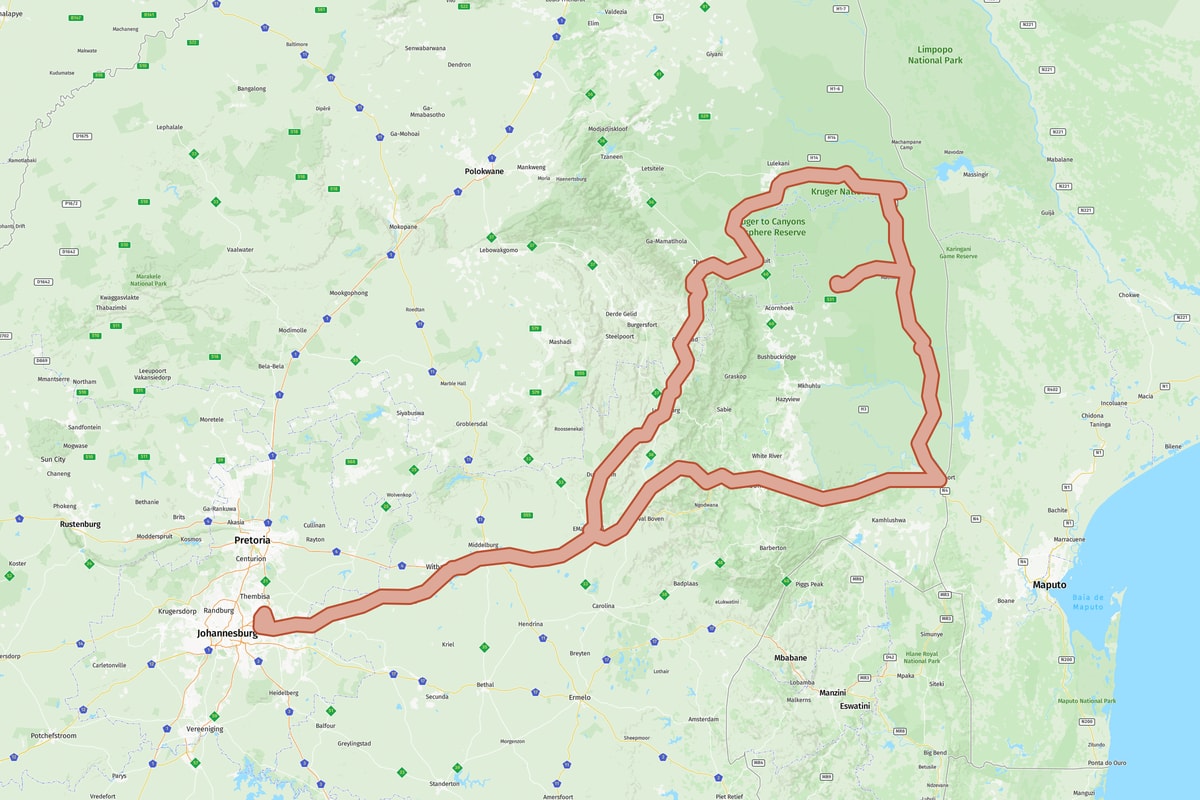
Wildlife in Kruger Park – The classic for self-drivers: elephants, lions and giraffes in the wild – with well-developed roads and a wide variety of camps.
Garden Route & coast – Between Wilderness and Tsitsikamma, lagoons, forests and cliffs alternate and are ideal for hiking, wildlife watching and relaxed road trips.
Key facts at a glance
Long driving distances – The distances between highlights and parks are often greater than they look on the map. Plan relaxed driving days and book your accommodation in good time.
Few petrol stations in remote areas – Away from the main roads there is often no petrol station for a long stretch. Always fill up before you reach national parks or remote coasts.
Reserve accommodation early – Good accommodation in particular in nature reserves, on the Garden Route and in Cape Town is quickly fully booked. Secure your preferred places several weeks in advance.
Choice of vehicle – A hire car with sufficient ground clearance is helpful, as many highlights are only accessible via gravel roads. Check the insurance cover for off-road driving.
Safe parking – In cities such as Cape Town and the surrounding area there is not always supervised parking available. Use supervised car parks or accommodation with its own parking space for peace of mind.
National park fees and opening times – There are entrance fees for national parks and nature reserves, and the access roads often close at sunset. Find out about opening times and prices in advance so you can plan your day in a relaxed way.
South Africa: wilderness, wide open spaces and real encounters
South Africa unfolds between two oceans, high plateaus and deeply carved canyons – a country of contrasts made for road trips by hire car away from the classic routes. From the rugged coasts of the Garden Route to the open savannah of Kruger National Park, there is a new moment waiting behind every bend: viewpoints along the Panorama Route, wild coasts, ancient baobabs, vineyards with views of Table Mountain. This variety makes South Africa the ideal destination for self-drivers who want to experience nature deeply and shape their route consciously and sustainably.
You will find unspoilt national parks, charming guesthouses and small B&Bs that blend into the landscape instead of harming it. The infrastructure is good – long tarmac roads, some gravel stretches, clear signposting, reliable supplies. Three weeks give you enough time for a grand circuit: wildlife watching, wine estates and wild coastal nights, plus spontaneous stops at viewpoints, markets or with penguins on the beach. If you are looking for peace, space and authentic experiences, South Africa is exactly the right place – as long as you take your time and stay mindful.
Popular regions in South Africa
Where do you want to head first in South Africa? Whether you follow in the tracks of wild animals, drive along endless coasts or search for your own moment between mountains and the sound of the sea – here you will find handpicked regions that make every self-driver’s heart beat faster. Each of them offers its own dose of adventure, depth and that quiet closeness to nature you long for.
1. Kruger National Park – wildlife watching in the north-east of South Africa
Did you know that in Kruger National Park elephant families pass by in the dusty light of dawn? The park is considered the epitome of African wilderness – full of extensive river plains, fascinating savannahs and ancient trees. With a little patience you can explore elephants, lions, rhinos and many other wild animals on your own here. Quiet side tracks and hidden dams offer precious moments far from the main roads. Personal, intense and responsible – those who embrace it are rewarded with unforgettable encounters.

2. Cape Town – between ocean, Table Mountain and Cape Peninsula
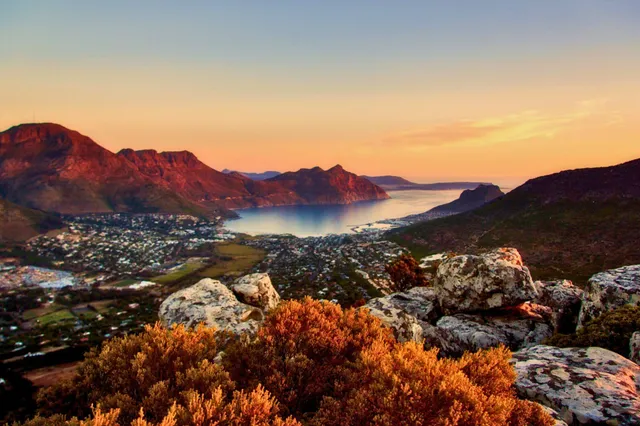
Cape Town is more than a city: between Atlantic surf and fluttering fynbos you will find nature experiences right on the edge of civilisation. Take on the climb up Table Mountain, discover hidden bays on the Cape Peninsula or watch penguins at Boulders Beach. Urban diversity and wild nature blend at every turn – and you set the pace of your discoveries. Do you want city today or lonely cliffs?

3. Garden Route – South Africa’s legendary road of adventure
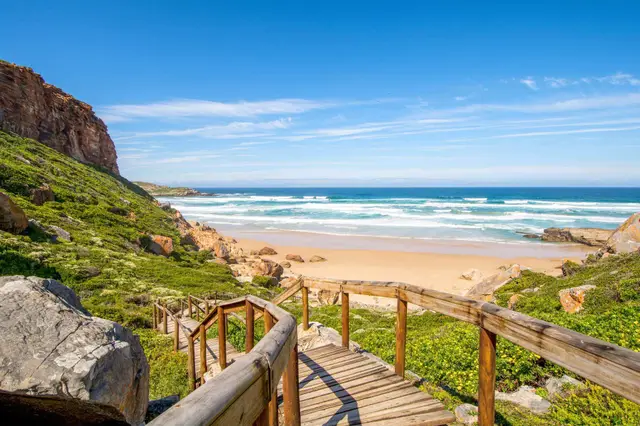
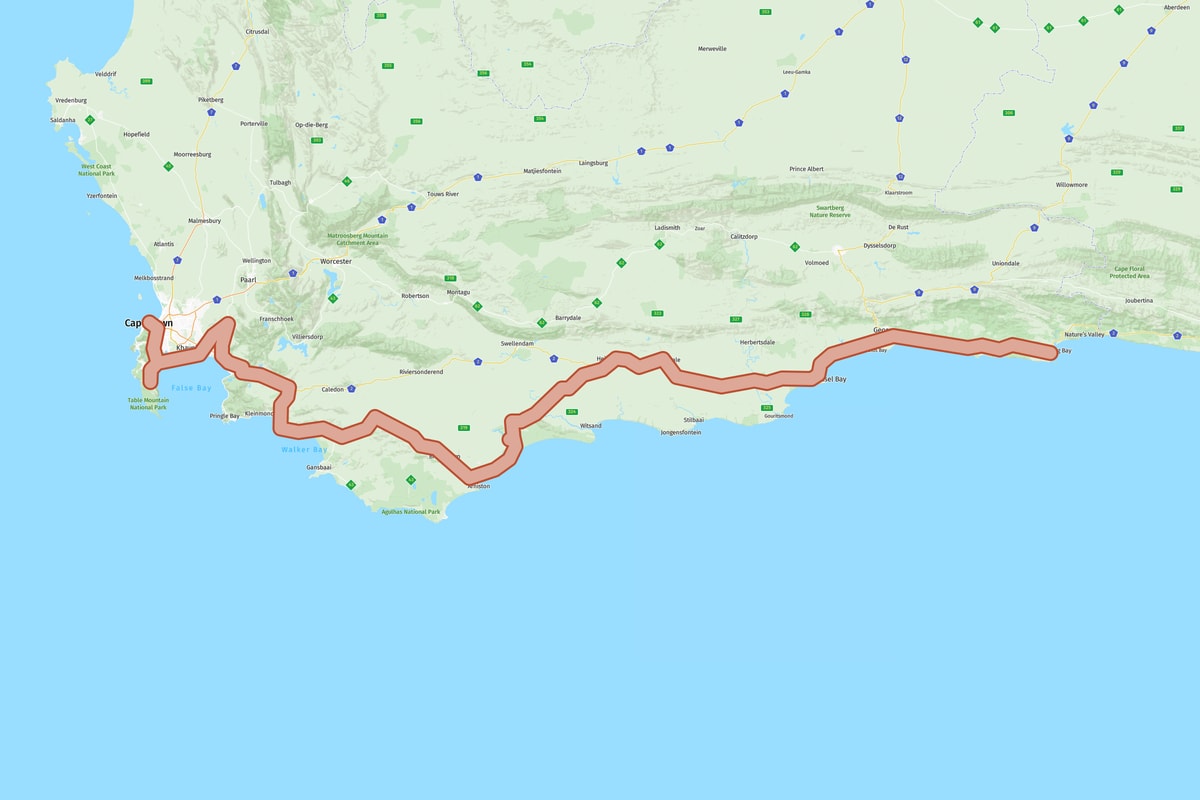
The Garden Route is not a place but a feeling between sea spray, lush forests and secluded swimming bays. Here the dream road winds its way through national parks, past rugged cliffs and evergreen forests. It is about the moments in the mist of the Tsitsikamma forest, wide sandy beaches and the chance to track down seals or rare birds with a bit of patience. Perfect for all who like to stop their car on a whim, smell the wind and experience the real South Africa.

4. Panorama Route – viewpoints & wild gorges in the north-east
You want the really big views? The Panorama Route leads through an impressive highland landscape dotted with waterfalls, deep canyons and striking rock formations. Here clouds and light often dominate the spectacle – and every stop becomes a photo moment. If you like, stay longer on one of the trails to breathe in the scent of damp sandstone and mountain air. A tip for everyone who loves South Africa’s open expanses and is looking for grand perspectives.

5. Addo Elephant Park – elephant country in the heart of the Eastern Cape region
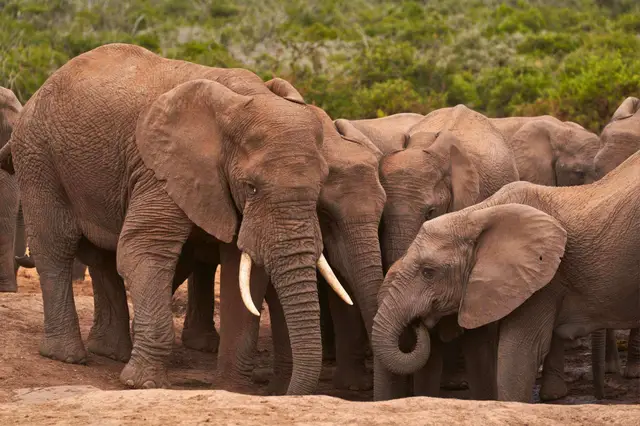
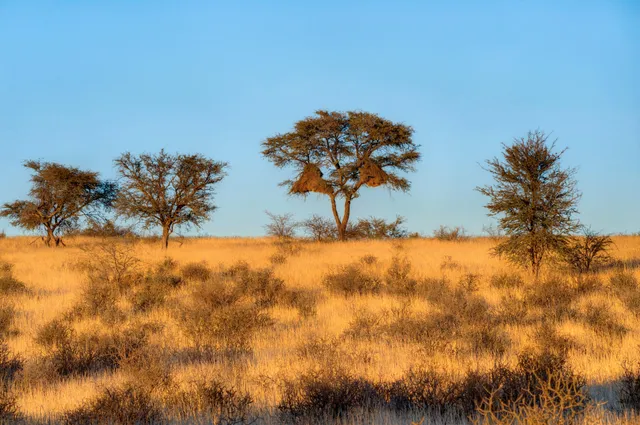
In Addo Elephant Park one of the largest elephant populations in Africa slowly moves through the golden savannah. Open grasslands alternate with dense acacia woodland – a perfect backdrop for independent wildlife watching from your hire car. Addo stands for peaceful game drives without mass tourism and a sensitive balance between people and nature. If you pause, you can experience respectful closeness to elephants, zebras or antelopes without being tied to fixed routes.

6. KwaZulu-Natal – safari between coast and mountains
Situated in the east of South Africa, KwaZulu-Natal stretches from the Indian Ocean to the Drakensberg. The region is home to some of the country’s most diverse protected areas – including iSimangaliso Wetland Park (UNESCO World Heritage) with its wetlands and beaches, as well as Hluhluwe-iMfolozi Park, Africa’s oldest wildlife reserve with a high density of rhinos.

Supplies & infrastructure
- Road network: Well-developed roads connect places such as Cape Town and the Garden Route as well as Johannesburg with Kruger National Park. For safari routes an SUV is recommended, but 2WD is usually sufficient.
- Petrol stations & supermarkets: Regularly available in towns, along the N2 and in villages. Petrol stations in national parks are rare – plan ahead.
- Cash machines: In almost every village and in shopping centres. Cash is recommended in rural areas or parks.
- Mobile network & GPS: Reception is good in towns and along the main roads. In national parks and remote regions reception can be weak or non-existent. Make offline maps available.
- Access roads and gates: National parks have fixed entry and exit times. Last entry to parks is usually in the late afternoon.
- Choice of vehicle: 2WD is sufficient for most destinations, for gravel and safari routes a higher-clearance vehicle is helpful.
Popular accommodation options
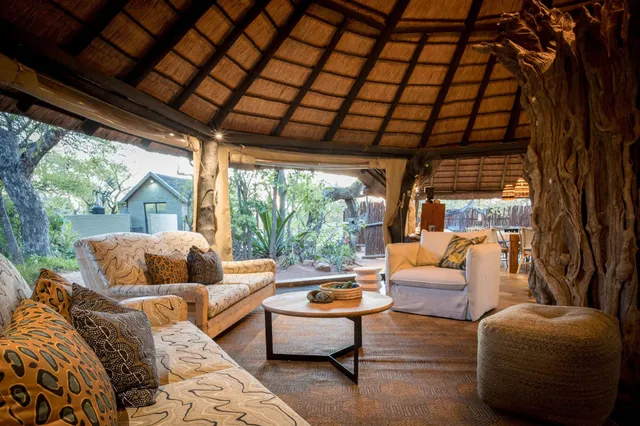
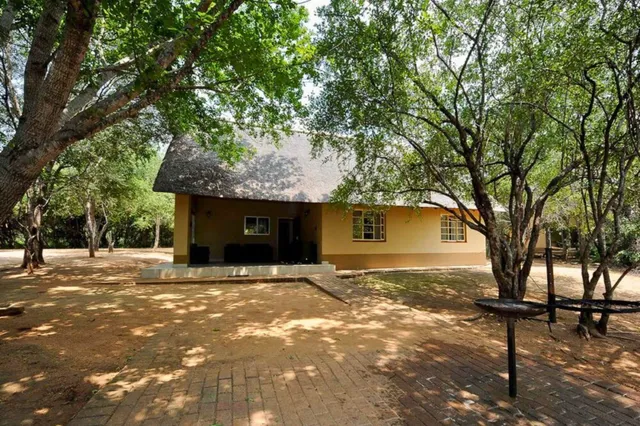
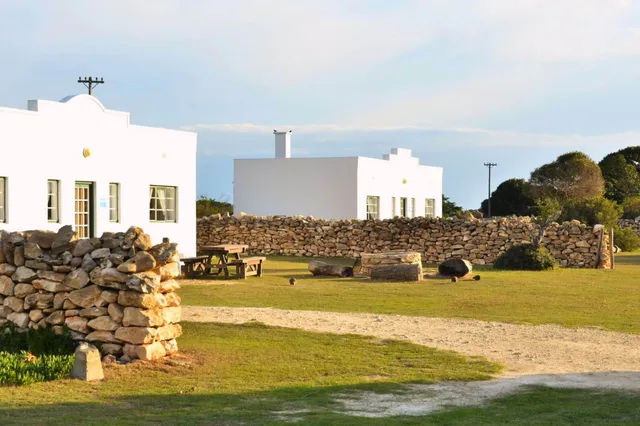
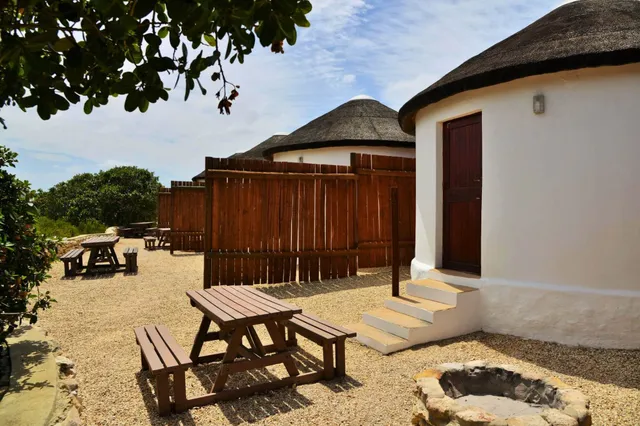
In South Africa you will find a wide range of special places to stay in the midst of nature – from the comfortable cottage at De Hoop Collection – Equipped Cottages with its own kitchen and garden view to the simple, close-to-nature De Hoop Collection – Rondawels right in the reserve. Here you can discover the original way of life between dunes, savannah, birds and your own braai in the evening.
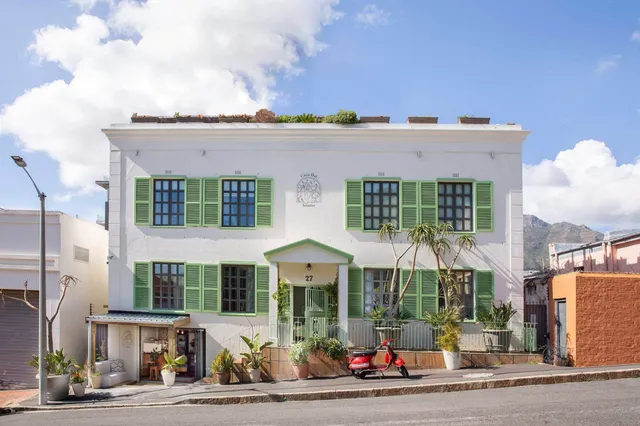
Along the Garden Route you can opt for Under Milkwood Resort directly on the lagoon of Knysna or choose The Whale on Main B&B in Hermanus – ideal for watching the whales in the morning and exploring local restaurants on foot in the evening. For time in Cape Town, stylish addresses such as The Grey Hotel or Kloof Street Hotel take your journey into urban comfort with an excellent location and a touch of the local scene.
Best time to visit South Africa
South Africa’s climate is varied. The best time to visit depends on the regions and your interests:
- Kruger and safari: May to September is the dry season. Best chances for wildlife watching, little vegetation, hardly any rain. Often cool early in the morning and in the evenings.
- Cape Town & Garden Route: November to March offers warm days and little rain – perfect for road trips, hikes and beaches.
- Whale watching: June to November around Hermanus and along the south coast. Best chances of seeing southern right whales and humpback whales, often even directly from the shore.
In the South African winter (June to August) it is quiet in the national parks. In the wine regions and in Cape Town it can be chilly or rainy, but you will find plenty of space. Plan your route around wildlife watching, sea climate and your own preference for peace and quiet: South Africa has a special moment for you at any time of year.
Good to know for your planning
- Long driving distances: The distances between highlights and parks are often greater than they look on the map. Plan relaxed driving days and book your accommodation in good time.
- Only a few petrol stations in remote areas: Away from the main roads there are often no petrol stations for long stretches. Always fill up before you reach national parks or remote coasts.
- Reserve accommodation early: Good accommodation is quickly booked out, especially in nature reserves, along the Garden Route and in Cape Town. Secure your preferred places several weeks in advance.
- Choice of vehicle: A hire car with sufficient ground clearance is helpful, as many highlights are only accessible via gravel roads. Check the insurance cover for driving off the tarmac.
- Safe parking: In cities such as Cape Town and the surrounding area, secured parking is not available everywhere. Use guarded car parks or accommodation with its own parking space for peace of mind.
- National park fees and opening times: National parks and nature reserves charge entrance fees and the access roads often close at sunset. Find out about opening times and prices in advance so you can plan your day in a relaxed way.
Getting there & location
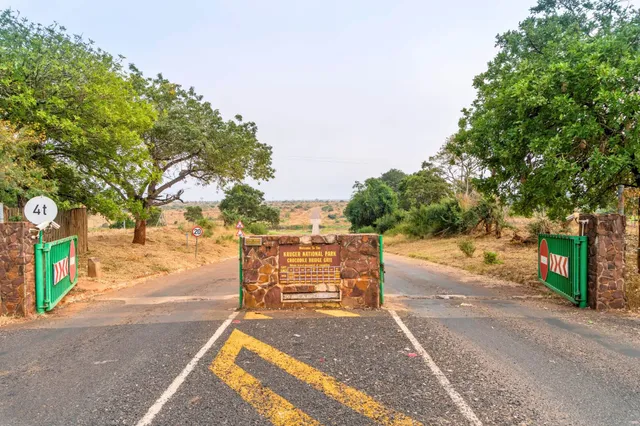
South Africa is best explored with your own hire car or camper – a dense road network, mostly tarmac, with gravel tracks in many parks or rural regions. Long distances are typical, but every hour of driving will reward your perseverance: the landscape changes, with every stop a new viewpoint, a farm shop or a café in the middle of nowhere. Navigate using an offline map and plan fuel stops, especially away from the towns. Park entrances such as to Kruger are accessible with normal cars; you only need 4x4 for a few remote routes or seasonally after heavy rain.
Cape Town is the logical start and end point, perfectly connected via the international airport. From here well-developed trunk roads lead south to Cape Agulhas and the wine region, eastwards along the Garden Route to Addo Elephant National Park, or northwards into the interior and towards Kruger National Park. In national parks it is advisable to book overnight stays and campsites in advance, especially in wildlife reserves.
- From Cape Town to the Garden Route (Knysna): 480 km (approx. 5.5 h drive)
- From Cape Town to Hermanus: 120 km (approx. 1.5 h drive)
- From Johannesburg to Kruger National Park (Orpen Gate): 430 km (approx. 5 h drive)
- From Plettenberg Bay to Addo Elephant Park: 280 km (approx. 3 h drive)
Parks & regions
Plan your trip through South Africa in the app.
Save activities and places to stay, put your route together and take everything with you offline.




Routes through South Africa
Activities in South Africa
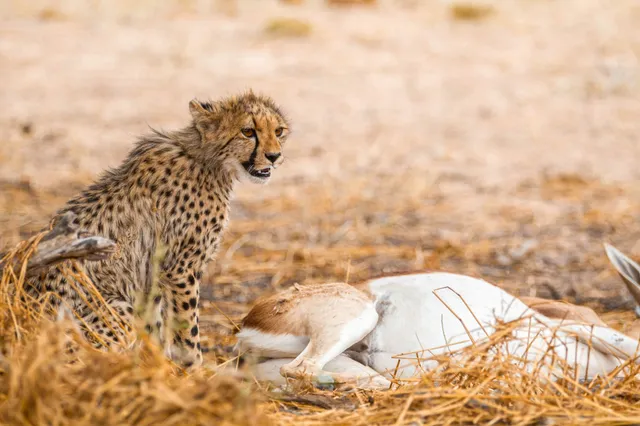
14th Borehole
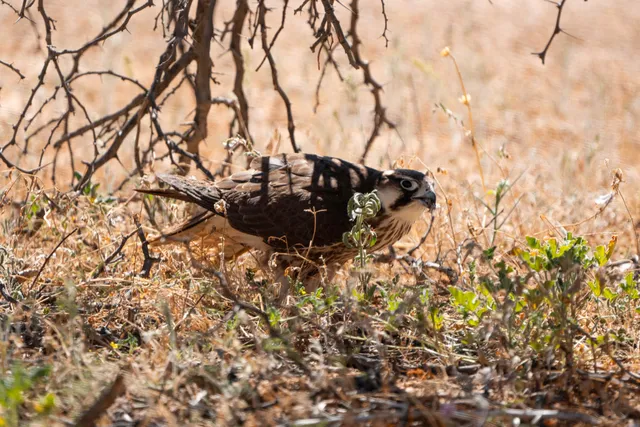
Batulama waterhole
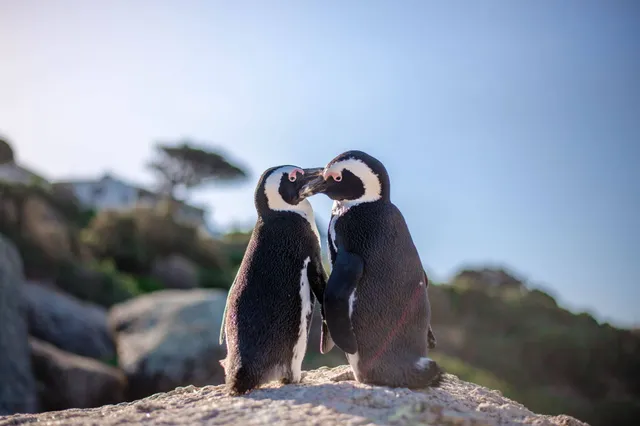
Meet the penguins at Boulders Beach
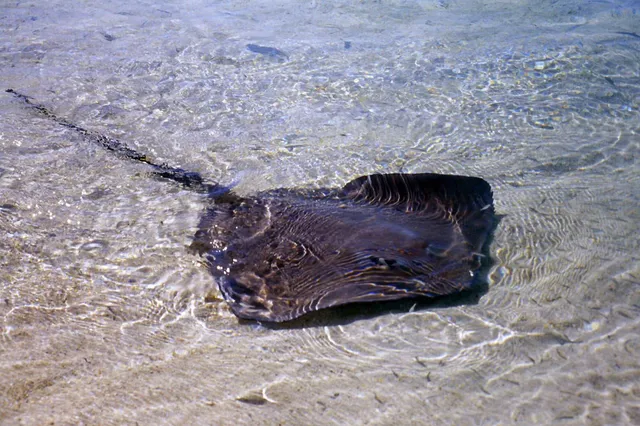
Meet the giant rays of Struisbaai
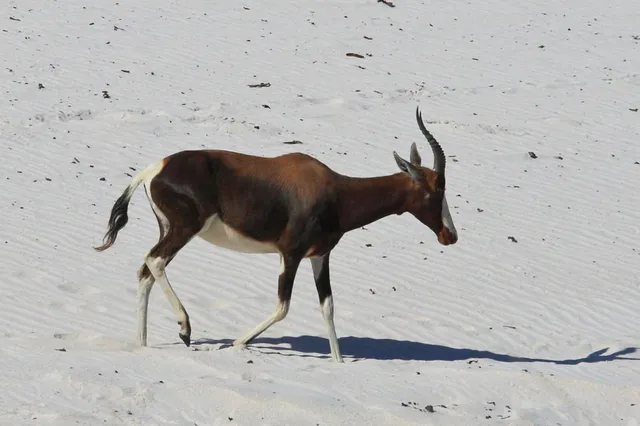
Watch antelopes on the snow-white sandy beach

Watch bontebok and common eland from the roadside

Watch penguins and rock hyraxes in Betty's Bay
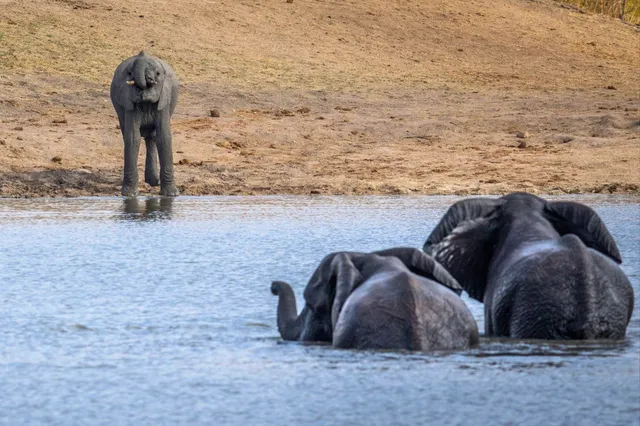
Watch huge elephant herds wallow in the mud
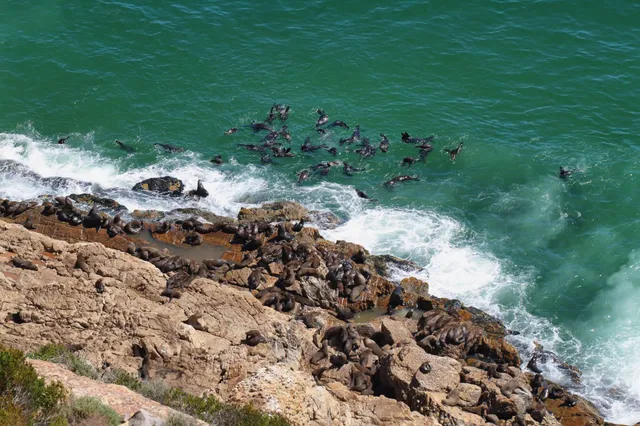
Watch Cape fur seals along rugged cliffs
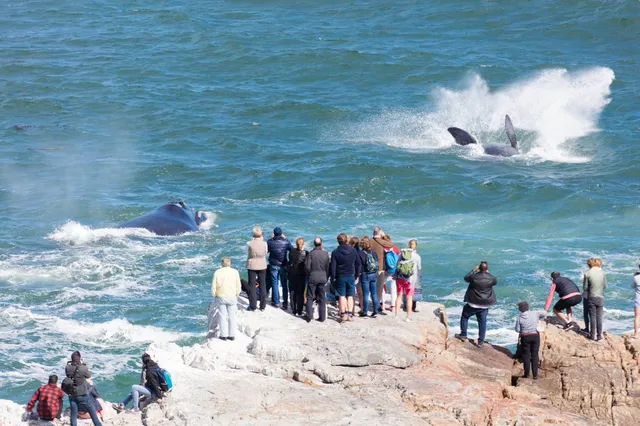
Watch whales up close from land in Hermanus
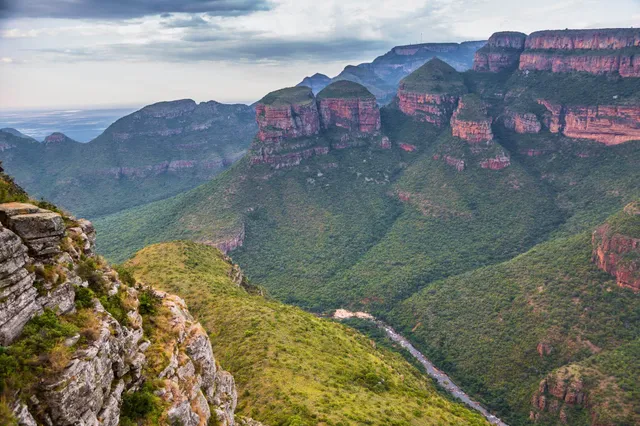
Views of the Three Rondavels in the Blyde River Canyon
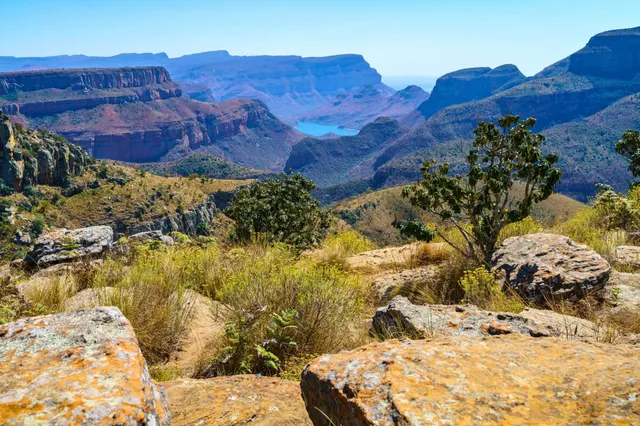
Views from Lowveld Viewpoint deep into the Blyde River Canyon
Places to stay in South Africa


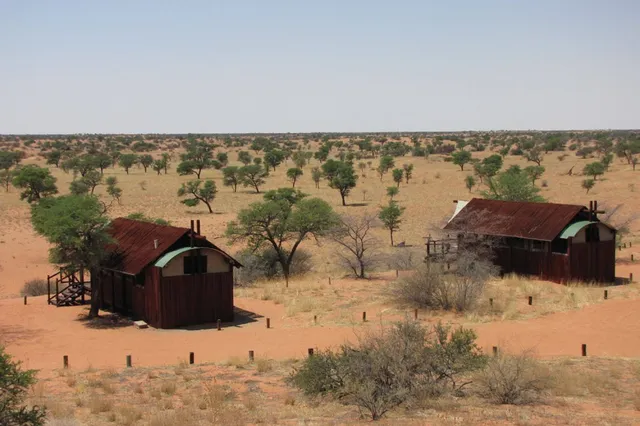
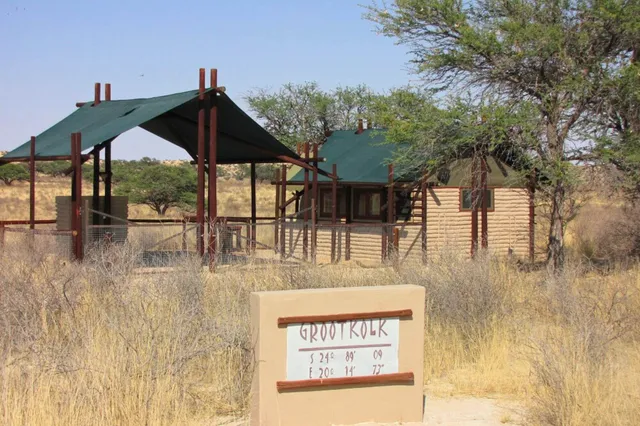
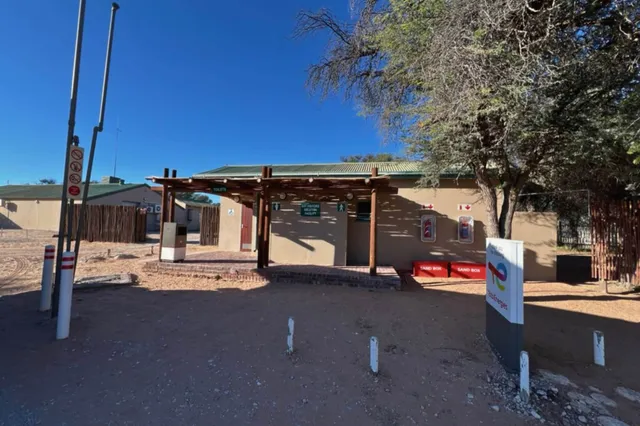
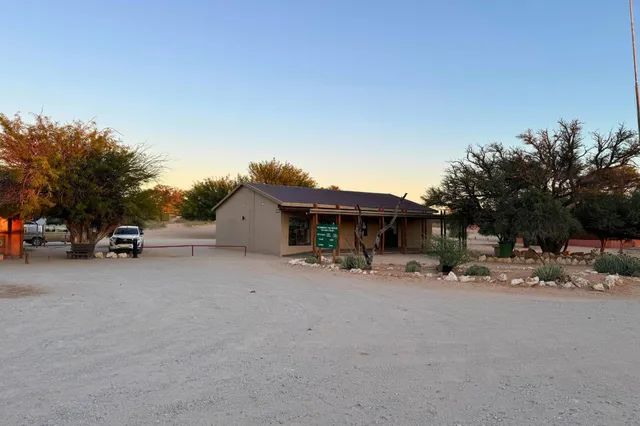
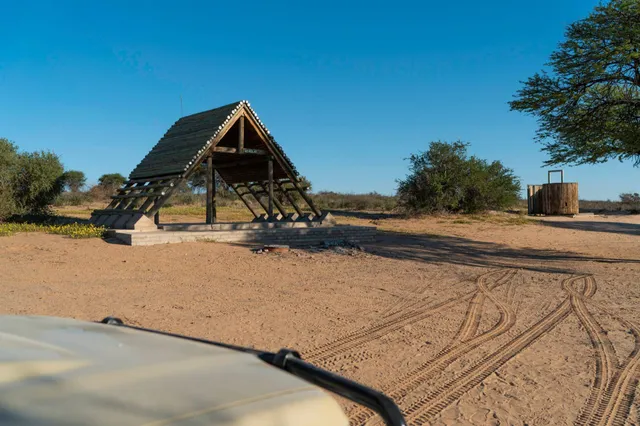
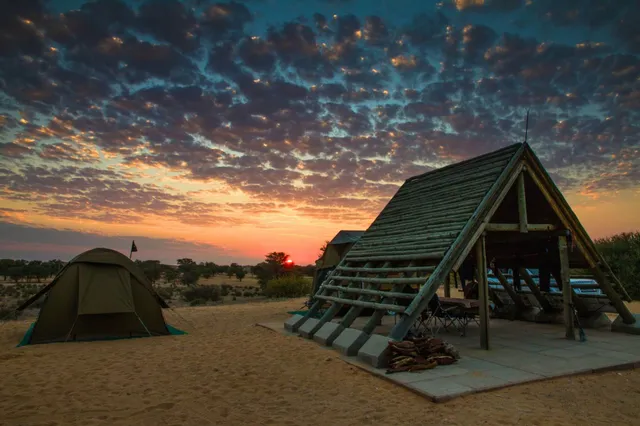
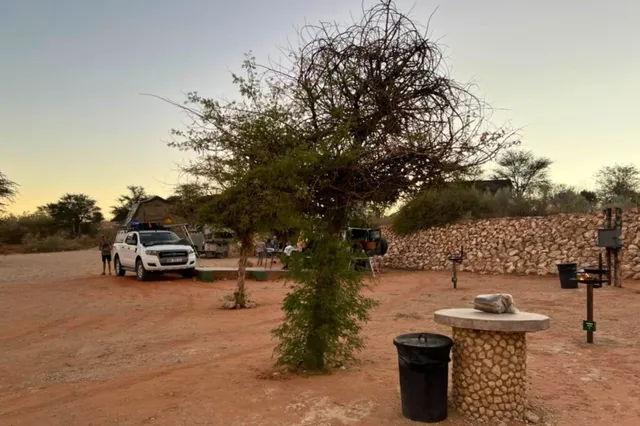
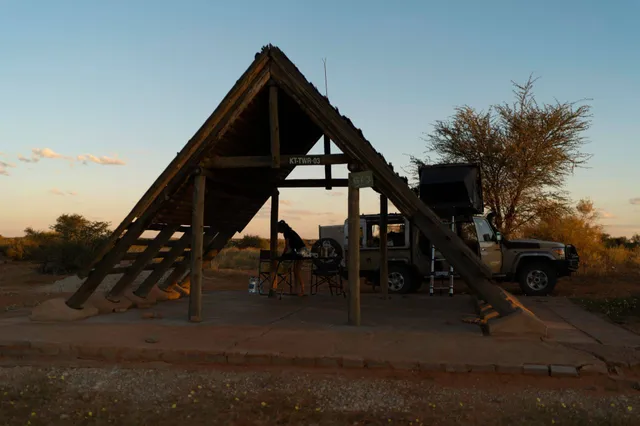
Campsites in South Africa
Wildlife in South Africa
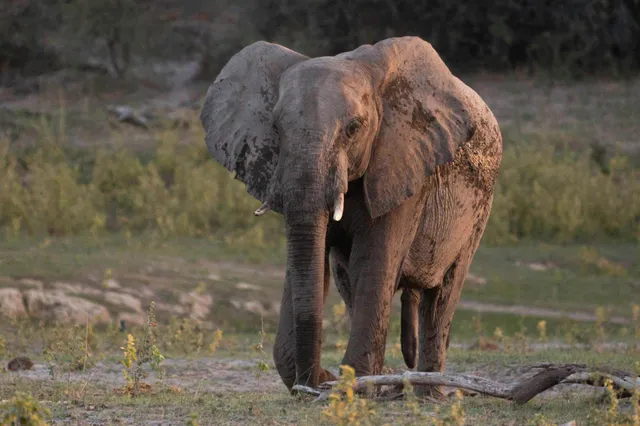

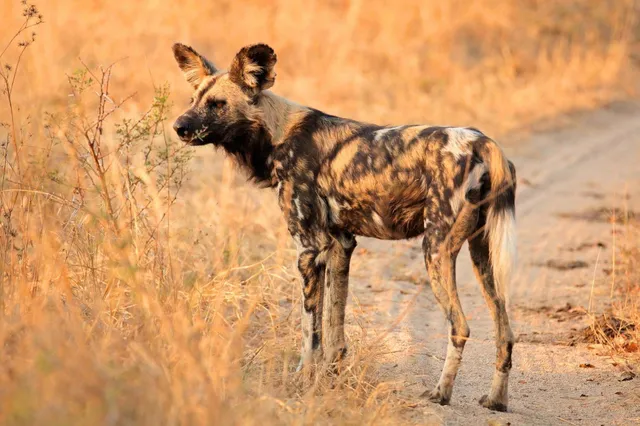
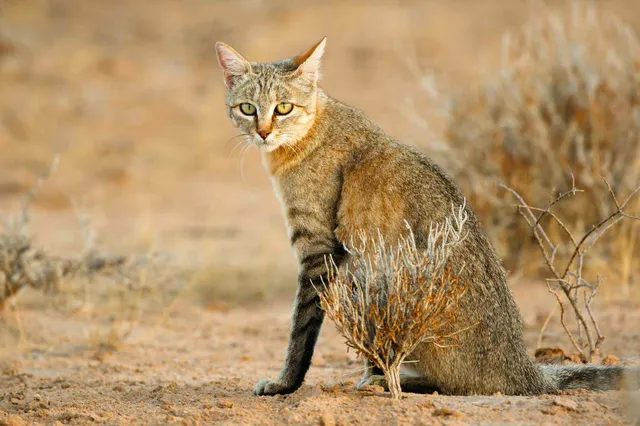
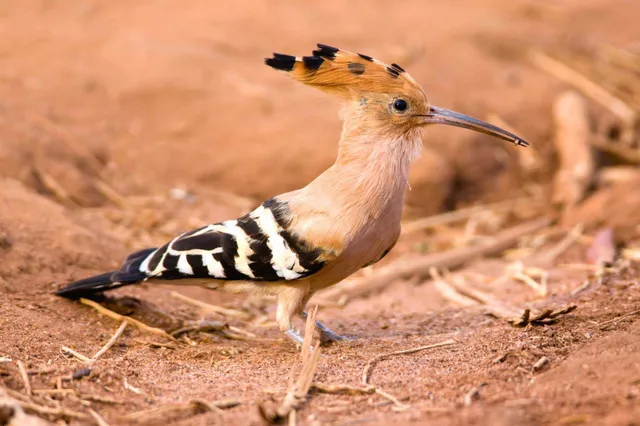
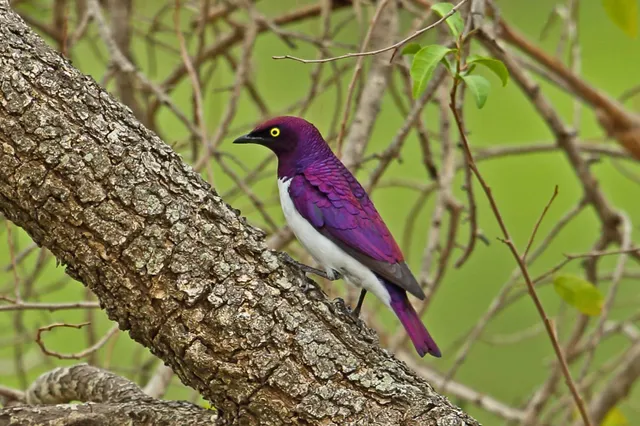
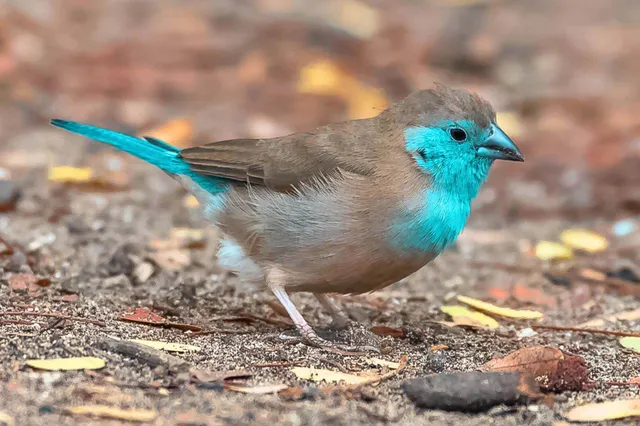


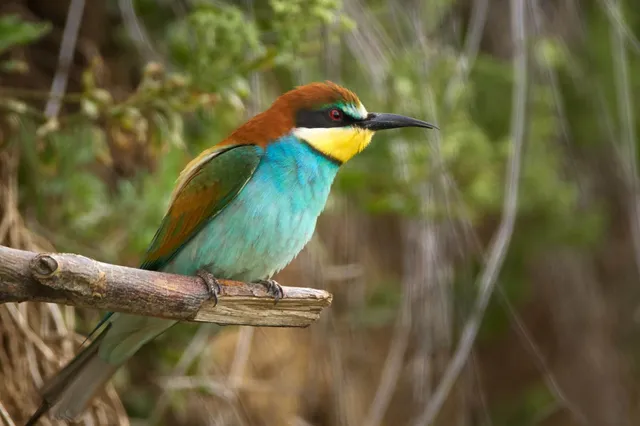

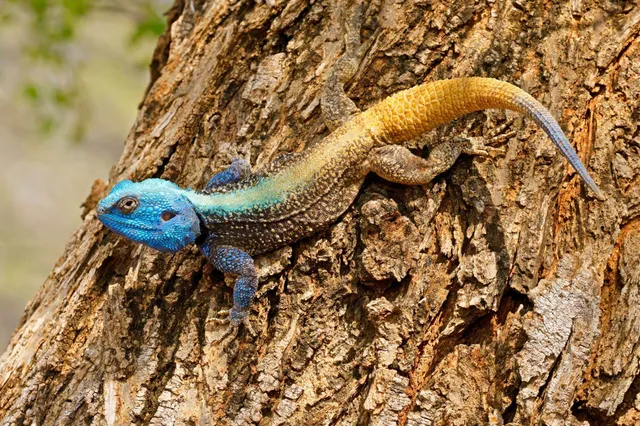
Photo credits: 01: Shutterstock/Wayne Marinovich, San Parks, Africa on Foot Camp, Shutterstock/Wolf Avni, Casa del Sonder, De Hoop Collection, Dolphin Circle Bed and Breakfast, SanParks, Shutterstock/Bernie Van Der Vyver