Cette page n’existe pas encore en français : nous te montrons la version disponible.
Namibia : tout pour préparer ton voyage
Namibia is a safe and easy country to travel in southern Africa, delighting visitors with spectacular desert landscapes, red dunes and impressive wildlife.
Pourquoi tu vas adorer cet endroit
Diversity of landscapes – From the glowing red of the Namib dunes across barren mountains and savannas to the Skeleton Coast, you can look forward to intense colour contrasts and surprising natural phenomena.
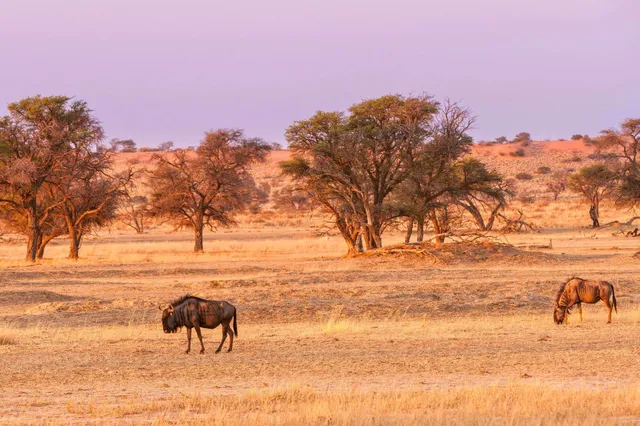
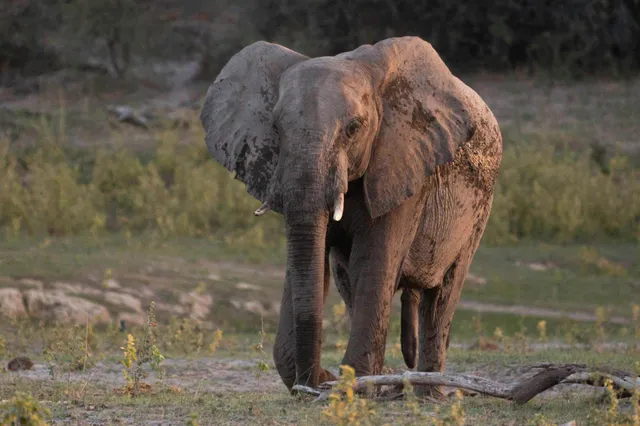
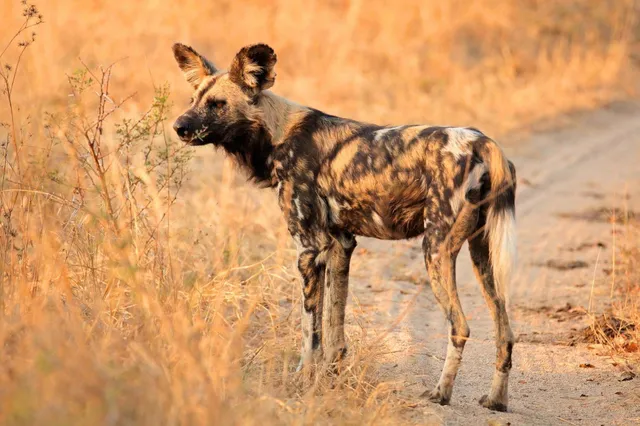
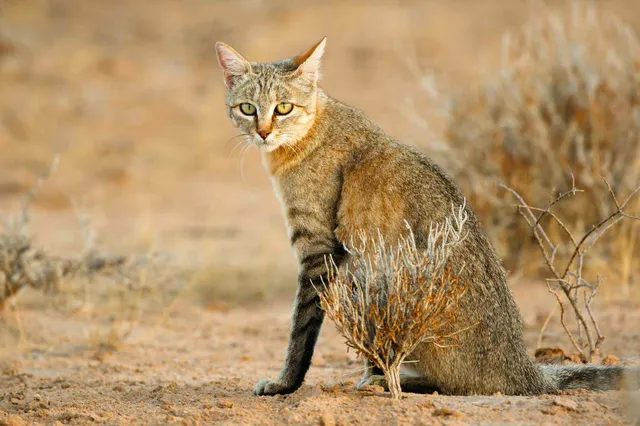
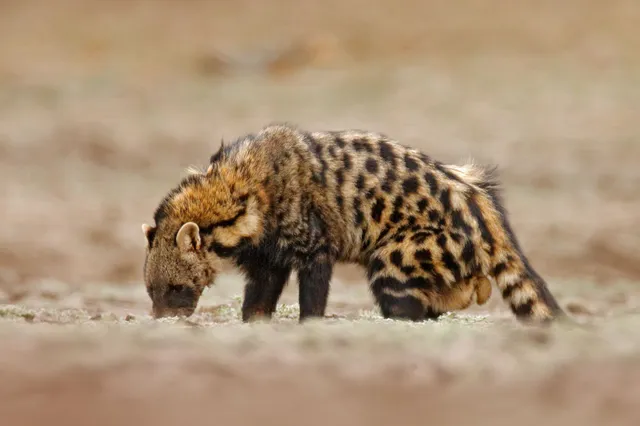
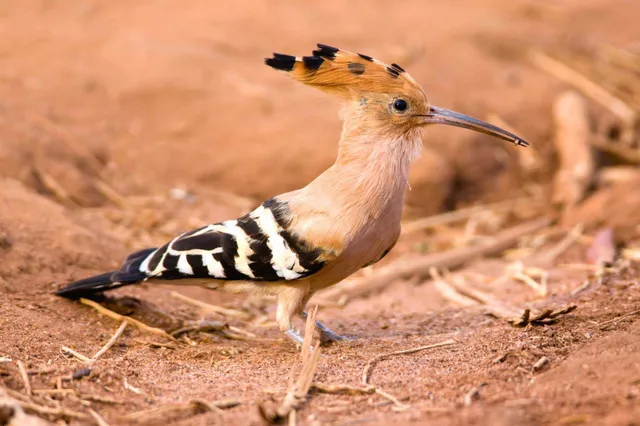
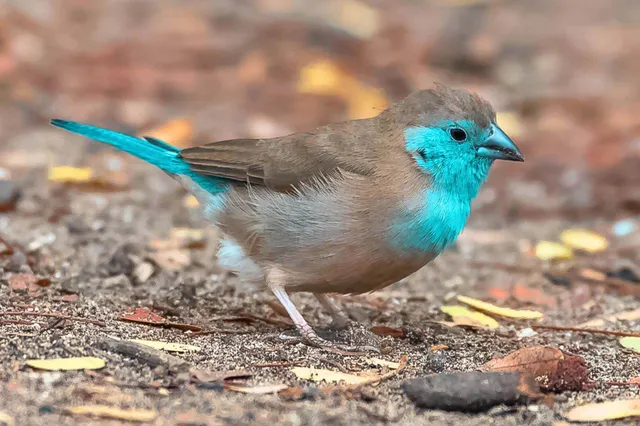
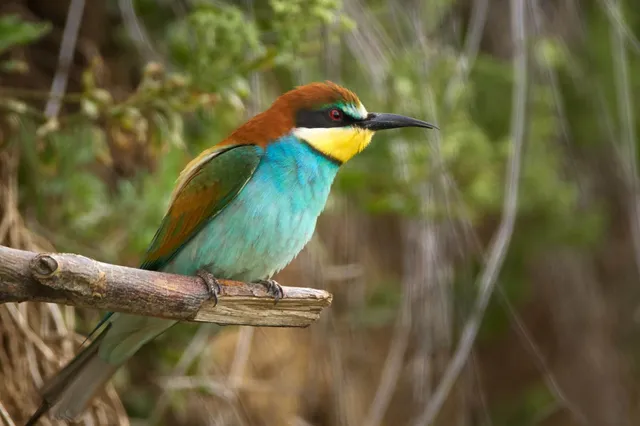
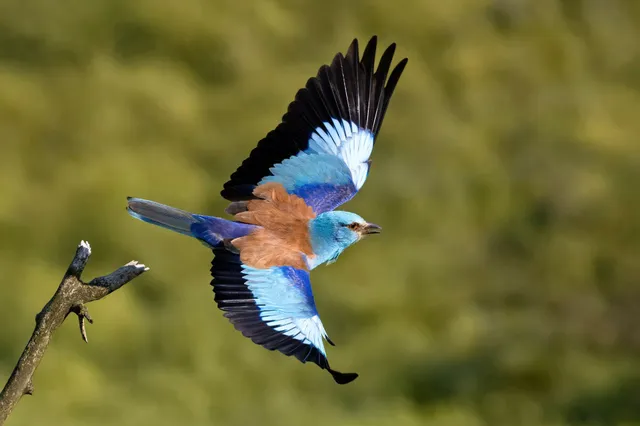
Wildlife watching on your own routes – Etosha, Caprivi and Damaraland offer you excellent chances of seeing elephants, rhinos, antelopes, big cats and over 600 bird species – often in complete silence.
Endless space & seclusion – Namibia is the land of wide open spaces. Here you can find room for real discoveries, inspiration and the feeling of being alone with nature.
L’essentiel en un coup d’œil
Road conditions – Only a few roads are tarmac and most routes are gravel roads or lead through deep sand. A 4×4 vehicle offers you significantly more driving comfort and safety, especially in remote regions.
Space and seclusion – Namibia is characterised by huge distances without constant supply points. Fill up with petrol at every opportunity and buy enough food and drinking water for several days.
Wildlife watching in the dry season – Between May and October many animals gather at the waterholes. These months are ideal especially for going on your own safaris in parks like Etosha or along the rivers in the Caprivi Strip.
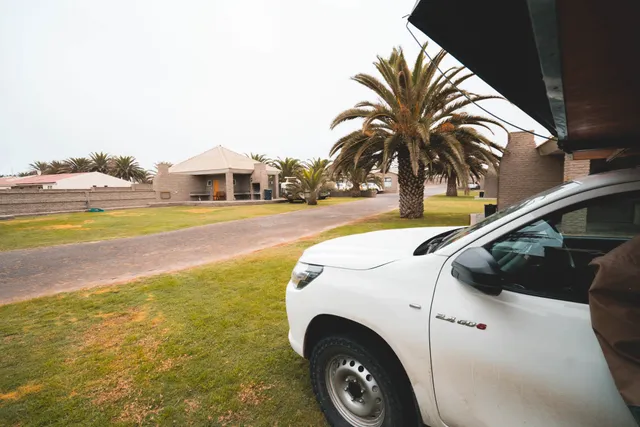
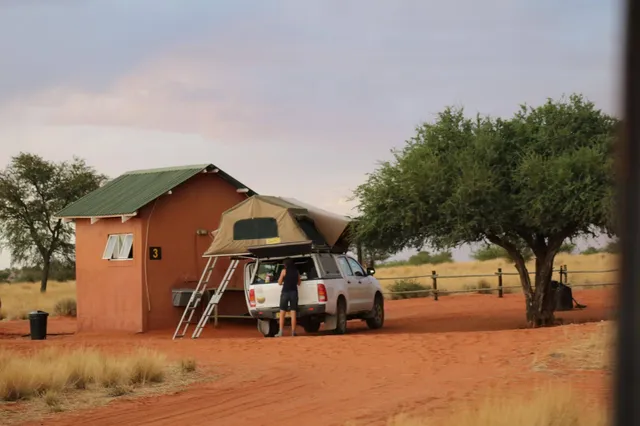
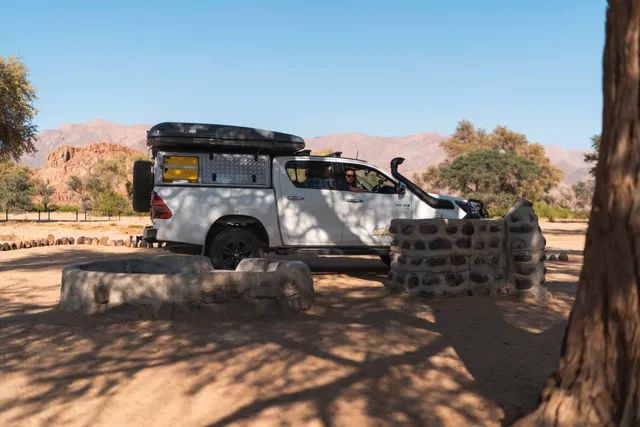
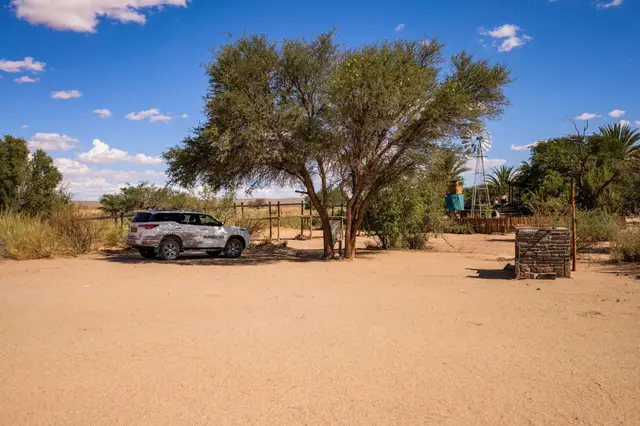
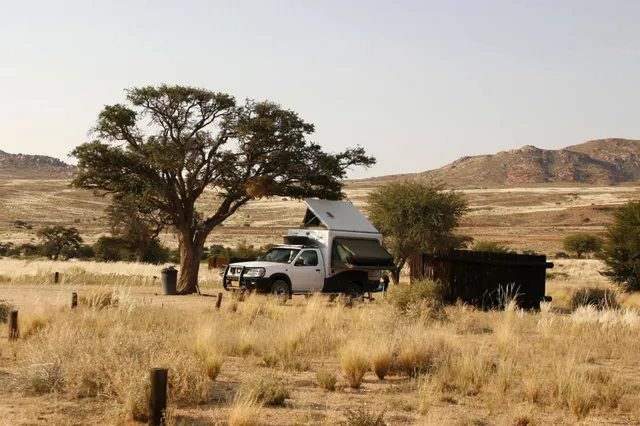
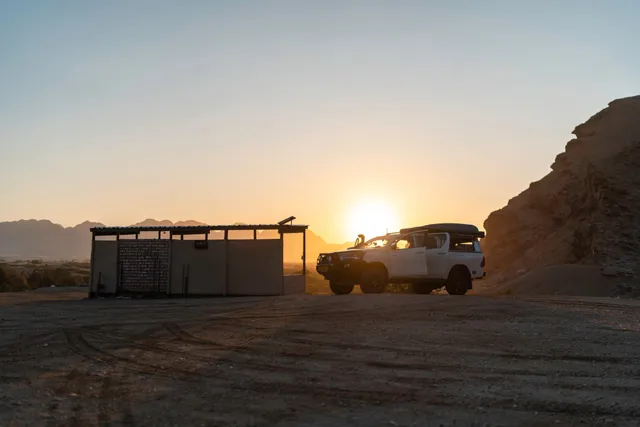
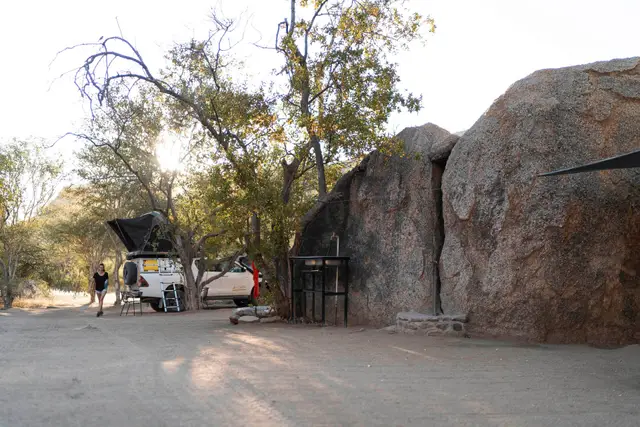
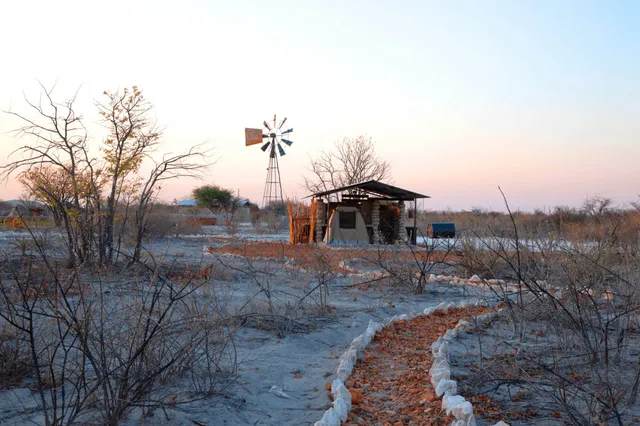
Camping and accommodation for self-drivers – Namibia offers a wide range of campsites, guest farms and lodges, often located right next to natural highlights. Many spots are specially geared towards self-drivers and can be visited flexibly.
Nature experiences away from the crowds – In Namibia you will find many natural wonders such as the Sossusvlei dunes, Damaraland or the Skeleton Coast, which are deliberately not overcrowded. For planning your own route you will find detailed spots and all accommodation in the free Wildful Stories App: https://wildfulstories.com/download-app
Safety and personal responsibility – Long distances, solitude and little infrastructure call for good preparation and personal responsibility. Regularly check the condition of your vehicle and inform friends or hosts about your planned routes, especially in Kaokoveld or remote desert regions.
Namibia: landscape without limits
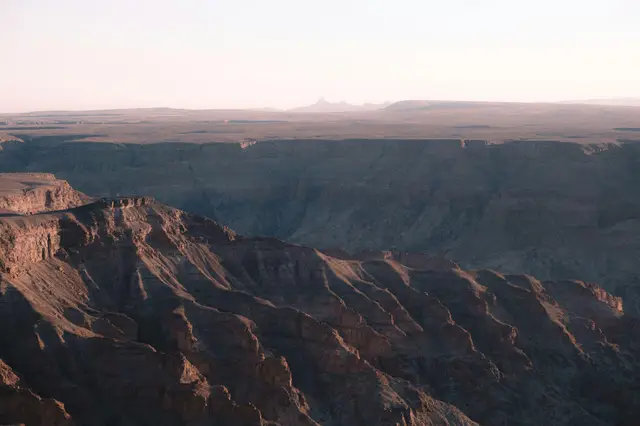
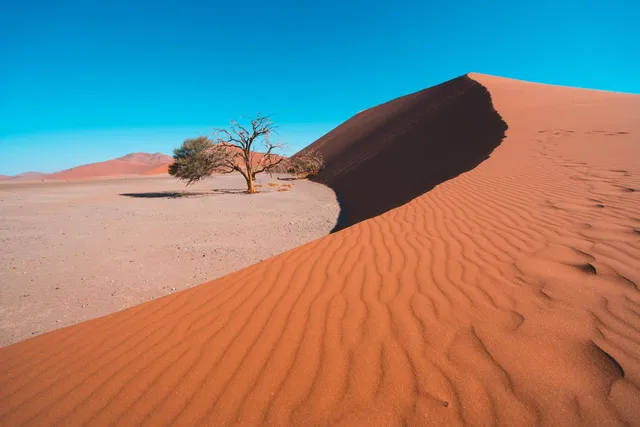
Namibia is a land of extremes, of colours and of shapes. The world’s oldest desert, the Namib, defines the face of the country with dunes up to 300 metres high, white clay pans such as Deadvlei and endless stretches of sand that the light constantly tints in new shades. Damaraland with its rugged mountains, the open savannah of Etosha National Park and the windswept Skeleton Coast show just how vast and varied Namibia really is. On the way you experience at first hand how natural wonders, bizarre rock formations and wide plains create a fascination all of their own and turn every day into a new adventure.
The accommodation and campsites are geared towards self-drivers and adventurers: you’ll find rustic spots in the middle of imposing nature, charming lodges and sustainable guest farms – often with panoramic views, starry skies and, most importantly, plenty of peace and quiet. The infrastructure is good, with restaurants, small cafés and shopping facilities in almost every region. Even so, it’s advisable to top up your supplies regularly. For in-depth nature experiences and wildlife viewing you should plan at least two to three weeks for Namibia. You’ll also find inspiration for activities, accommodation and routes in the free Wildful Stories app. Here you can save your highlights, get recommendations and stay in discovery mode throughout your journey.
Popular regions in Namibia
Namibia captivates self-drivers with untouched vastness, wildlife viewing and landscapes that never look the same. Each region offers its own highlights for nature lovers, adventurers and anyone seeking authenticity. Here you’ll find five particularly popular regions that you can explore on your journey through Namibia. You’ll find even more inspiration, activities and accommodation tips in the free Wildful Stories app.
1. Etosha National Park – safari hotspot in the north
Etosha National Park is the heartland of wildlife viewing in Namibia. Nowhere else will you experience elephants, lions and giraffes in such variety and density. Self-drivers appreciate the clearly signposted tracks and the chance to watch animals at the waterhole for hours from close by. The mix of wide salt pans, grasslands and mopane bush invites you to go on game drives at your own pace. Anyone wanting to see rhinos and the increasingly rare cheetah will be in their element here. The best time for wildlife viewing is the dry season from May to October.

2. Namib-Naukluft – desert landscape and skies as far as the eye can see
The Namib-Naukluft region is considered one of the oldest deserts in the world. You drive past ochre-coloured sand dunes, shimmering white salt pans and ancient rocks. Sossusvlei and Deadvlei are world-famous but away from them you’ll find a surprising number of animals: gemsbok, springbok and sometimes even jackals. If you set off early you can experience sunrise in the dunes. The drive through this sea of dunes is an experience in itself and creates that deep sense of calm Namibia is known for.

3. Damaraland – wilderness between Etosha and the coast
Damaraland lies between Etosha and the Skeleton Coast and offers a spectacular mix of grass steppe, rocks and mountains. What makes it special is that elephants and rhinos still live here entirely free. Wildlife viewing is a search away from classic safari routes – ideal if you prefer to travel on your own. Rock engravings such as Twyfelfontein and views of the mighty Brandberg make the region equally exciting for culture and nature enthusiasts.

4. Caprivi Strip – green waterways and remote national parks
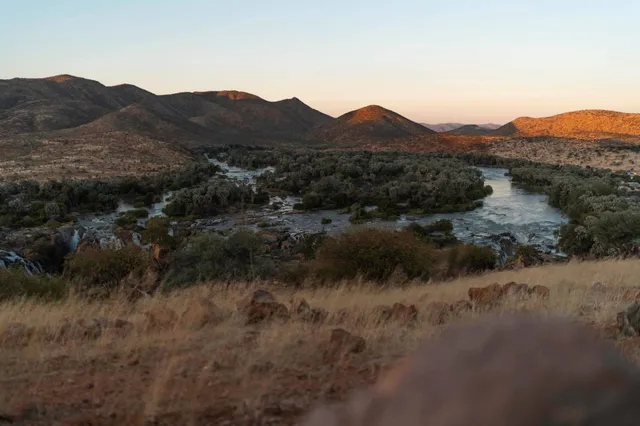
In the far north-east a very different Namibia awaits you in the Caprivi Strip. Rivers, swamps and gallery forests provide habitat for rare birds, hippopotamus and large elephant herds. The three remote national parks Bwabwata, Mudumu and Nkasa Rupara are real insider tips for nature observers who prefer to experience national parks without mass tourism. Boat safaris offer a different perspective on nature and wildlife.

5. Waterberg Plateau – table mountain and rhino sanctuary
The Waterberg Plateau rises out of the plains with its steep red cliffs. It is a refuge for rare rhinos, antelopes and many bird species. Hiking trails lead you to the best viewpoints and on guided safaris you have the chance to observe rhinos on foot. Thanks to its natural barriers the plateau plays an important role in species conservation.

Supplies and infrastructure
- Supermarkets, cash machines and petrol stations: In larger towns such as Windhoek, Swakopmund, Walvis Bay and in regional centres you’ll find good provision of food, fuel and cash. Many rural areas offer small shops with basic supplies.
- Mobile network and GPS: In towns and along the main roads coverage is usually reliable, outside and in national parks reception is often only sporadic. Up-to-date offline maps or the Wildful Stories app are recommended.
- Road conditions and access: Well-maintained gravel roads and a few tarmac roads connect the main destinations. Deep sand and corrugations do occur; a 4x4 is advisable for comfort and flexibility.
- Type of vehicle: 4WD is recommended for many routes but, in the dry season and with careful driving, some routes are manageable with 2WD, especially between the main towns.
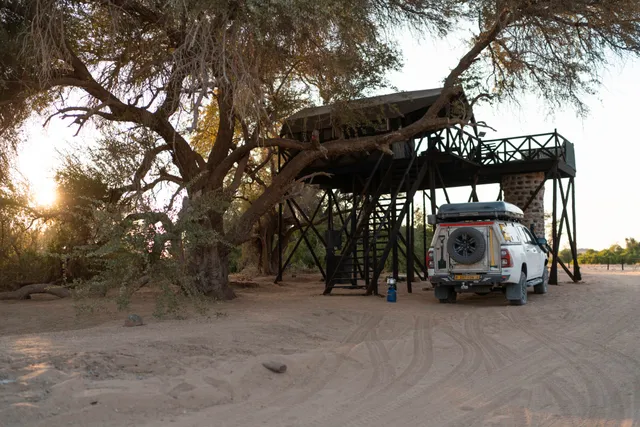
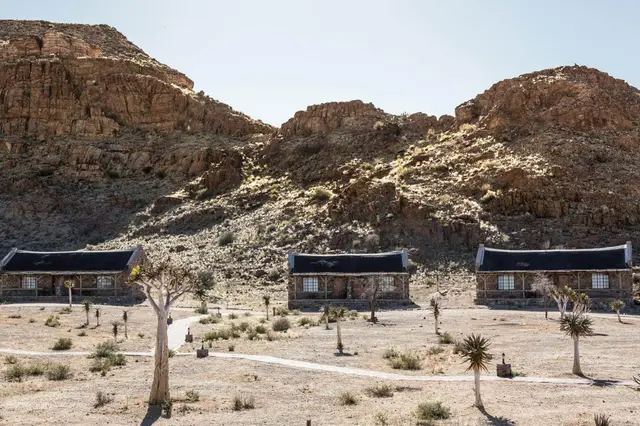
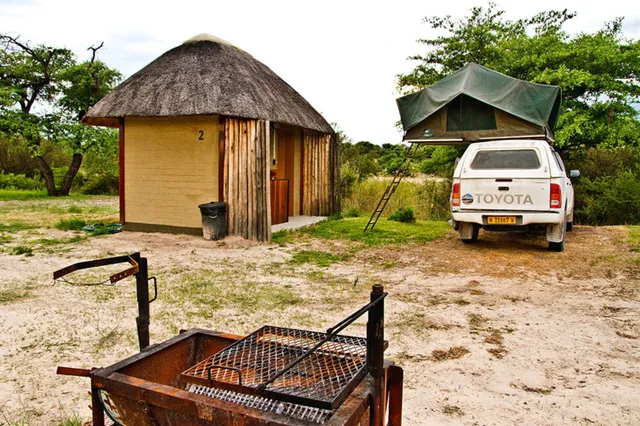
- Campsites and lodges: Namibia is ideal for self-drivers, with many campsites, guest farms and sustainable lodges in or close to natural highlights. Book well in advance, especially in high season and in heavily visited parks.
- Behaviour and preparation: Before longer stretches top up water and supplies and refuel regularly. In remote regions there is often no infrastructure.
Popular places to stay
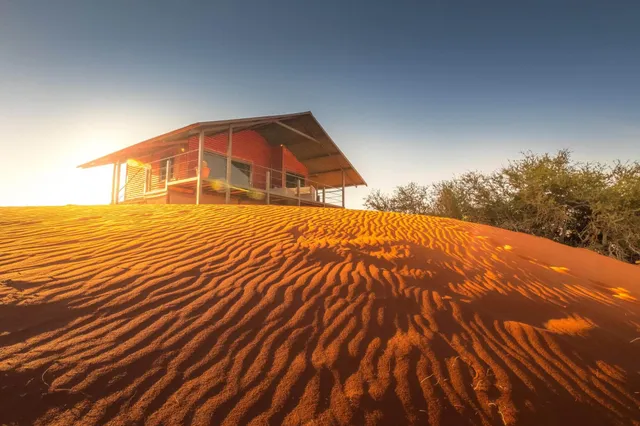
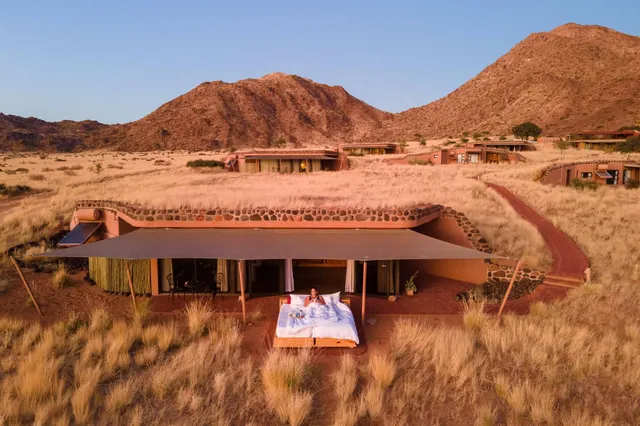
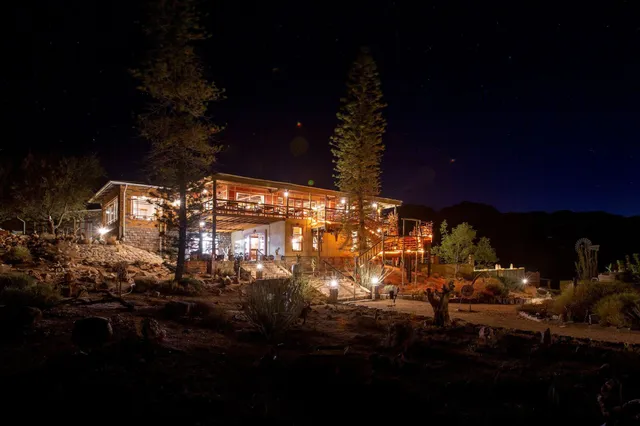
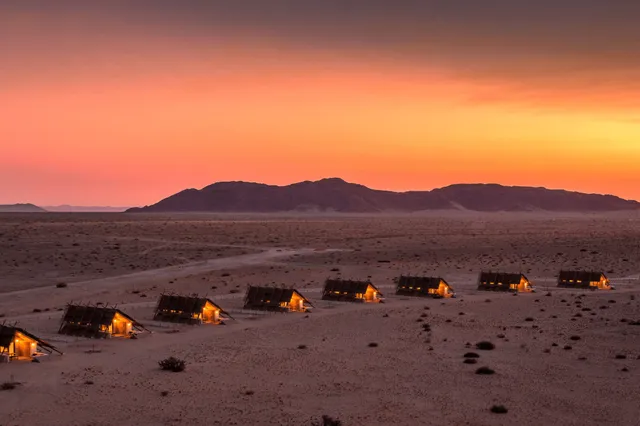
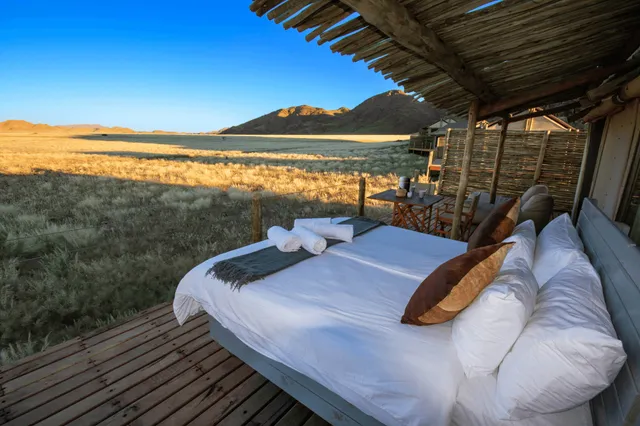
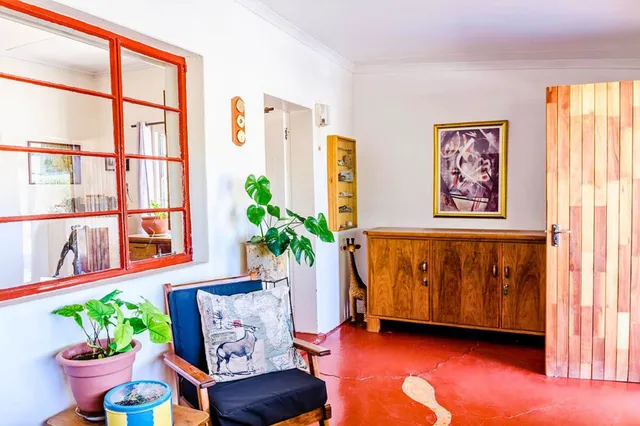
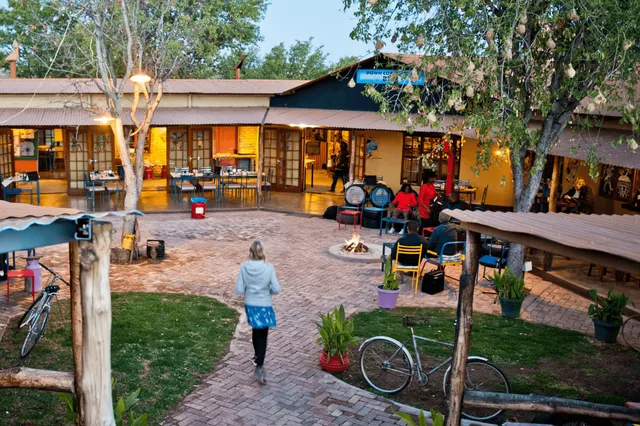
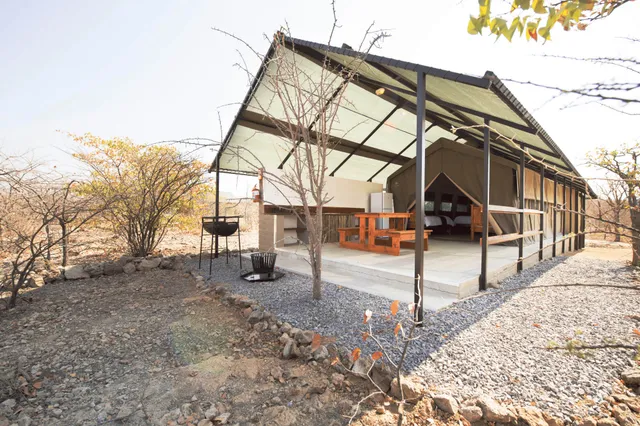
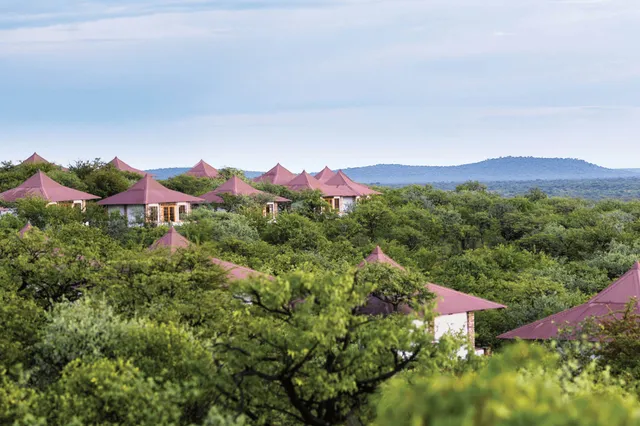
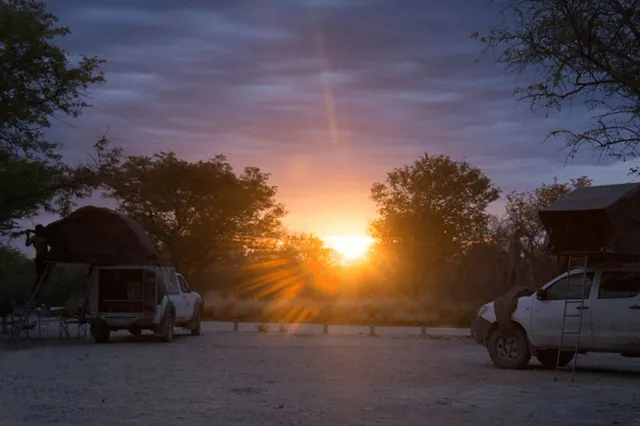
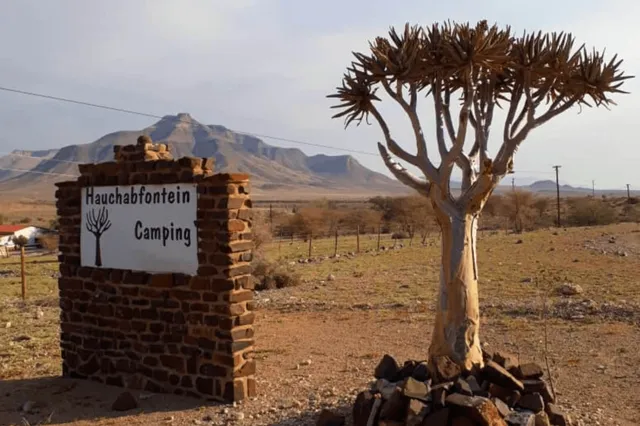
Namibia impresses with accommodation that combines genuine nature experiences and sustainability. In the heart of the Namib Desert, Sossus Dune Lodge, the only lodge in the park, invites you to experience the silence and starry skies between the sand dunes. For authentic desert moments, Namib Dune Star Camp, Hauchabfontein Campsite and NamibRand Family Hideout Campsite are all great options. Every night here means pure seclusion and a view of the fascinating interplay of light, colour and wide open spaces. Spreetshoogte Campsite is located right on the pass with a unique sunset and an almost mystical tranquillity.
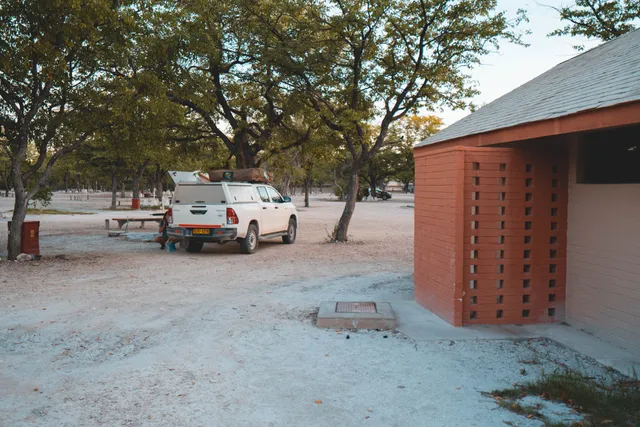
For self-drivers looking for wildlife viewing and savannah, camps such as Okaukuejo Campsite in Etosha National Park and the close-to-nature Palmwag Campsite in Damaraland are ideal: here you are very close to waterholes and wild animals, often on private land with a focus on sustainable protection and an individual safari feel. In the Caprivi, Nambwa Campsite and Ngepi Campsite offer a wilderness feeling right by the river. You’ll find even more inspiration, campsites and lodges bundled in the free Wildful Stories app, which helps you discover dream locations for your route.
Best time to travel to Namibia
You can in principle travel to Namibia all year round. However, the optimal time for wildlife viewing and road trips is the dry season from May to October. During these months it is cool to warm, the vegetation is low and wild animals gather at the few waterholes. The roads are generally easy to drive.
- May–October (dry season): Cooler in the mornings and evenings, clear skies, best chances of seeing animals. Perfect for self-drive tours through national parks such as Etosha and for excursions into the Namib.
- November–April (rainy season): In northern and eastern Namibia you can expect green savannahs, occasional rainfall and spectacular blossoms. Many migratory birds increase the diversity of species. The desert regions are barer and some remote routes can be difficult to pass at short notice.
In holiday months, especially July, August and October, it’s advisable to book accommodation and campsites well in advance. Use the free Wildful Stories app for up-to-date recommendations and offline access to all the important spots along your route.
Good to know for your planning
- Road conditions: Only a few roads are tarmacked and most routes consist of gravel roads or lead through deep sand. A 4x4 vehicle offers significantly more driving comfort and safety, especially in remote regions.
- Distances and remoteness: Namibia is characterised by huge distances without constant service points. Refuel at every opportunity and buy enough food and drinking water for several days.
- Wildlife viewing in the dry season: Between May and October large numbers of animals gather at the waterholes. These months are ideal for your own safaris in parks such as Etosha or along the rivers in the Caprivi Strip.
- Camping and accommodation for self-drivers: Namibia offers a wide range of campsites, guest farms and lodges, often located right by natural highlights. Many spots are specifically geared towards self-drivers and can be visited flexibly.
- Nature experiences away from the crowds: In Namibia you’ll find many natural wonders such as the Sossusvlei dunes, Damaraland and the Skeleton Coast that are deliberately not overcrowded. For your individual route planning you’ll find detailed spots and all accommodation in the free Wildful Stories app.
- Safety and personal responsibility: Long distances, solitude and little infrastructure demand good preparation and a sense of responsibility. Check the condition of your vehicle regularly and inform friends or hosts about your planned routes, especially in Kaokoveld or remote desert regions.
Getting there and around
Namibia is the ideal country for self-driving. Thanks to a well-developed road network, almost all natural areas and sights can be explored flexibly with a hire car. Only a few roads are tarmacked; most roads to natural highlights are wide gravel roads. The more remote your destination, the more adventurous the route can become: deep sand and steep passes such as at Spreetshoogte or into Kaokoveld require four-wheel drive on some sections. Especially in the rainy season or for remote bush tracks, a 4x4 vehicle is recommended for greater safety and comfort.
You’ll find petrol stations, workshops and shopping opportunities at regular intervals along the main routes and in larger places such as Windhoek, Swakopmund and Otjiwarongo. Even so, you should plan for enough water, reserve fuel cans and some buffer time – distances are often long and breakdowns can always happen. Distances may look like short hops on the map but gravel roads and the landscape can make journeys take much longer.
- From Windhoek to Sossusvlei: approx. 350 km (about 5–6 hours’ drive)
- From Windhoek to Etosha National Park (Okaukuejo): approx. 420 km (about 5 hours’ drive)
- From Swakopmund to Spitzkoppe: approx. 150 km (about 2 hours’ drive)
- From Windhoek to the Caprivi Strip (Katima Mulilo): approx. 1,200 km (about 13–14 hours’ drive)
Meilleure période : Namibia
- janv.Rainy season
- févr.Rainy season
- marsRainy season
- avr.Rainy season
- maiDry season
- juinDry season
- juil.Dry season
- aoûtDry season
- sept.Dry season
- oct.Dry season
- nov.Rainy season
- déc.Rainy season
Parcs & régions
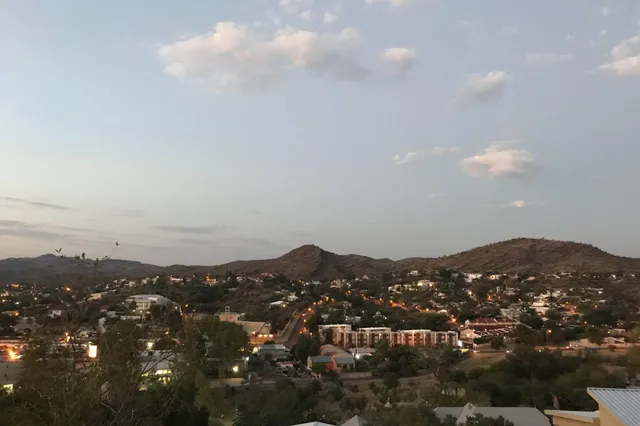
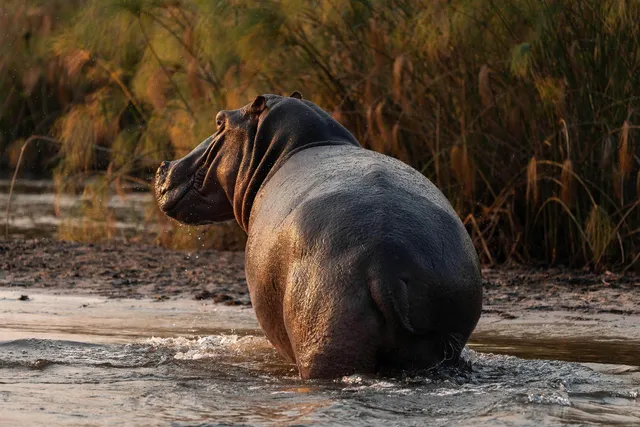
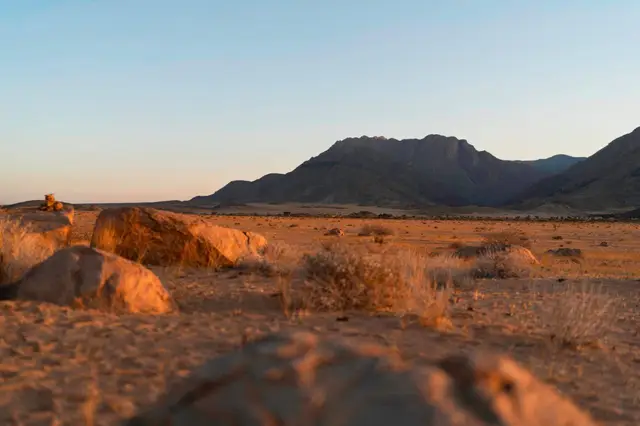
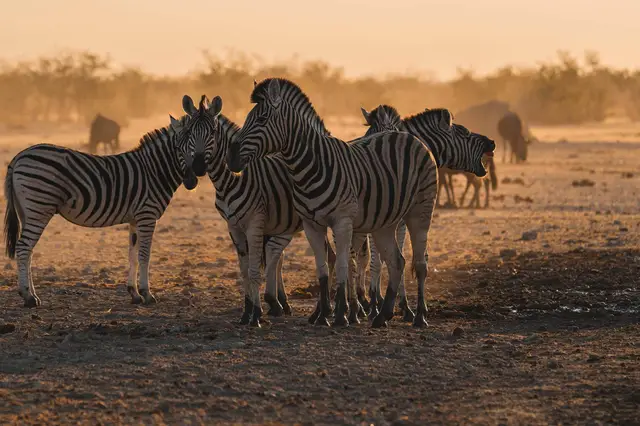
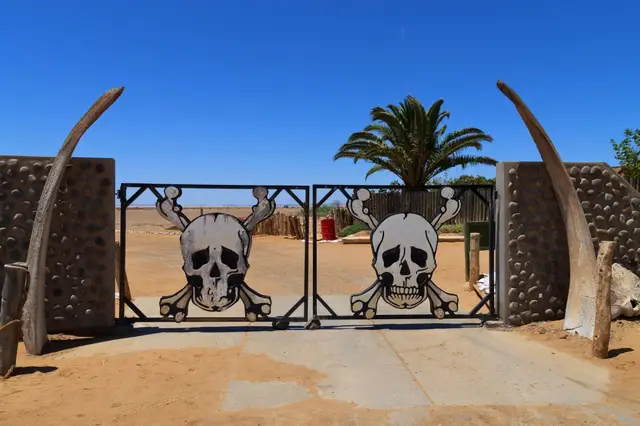
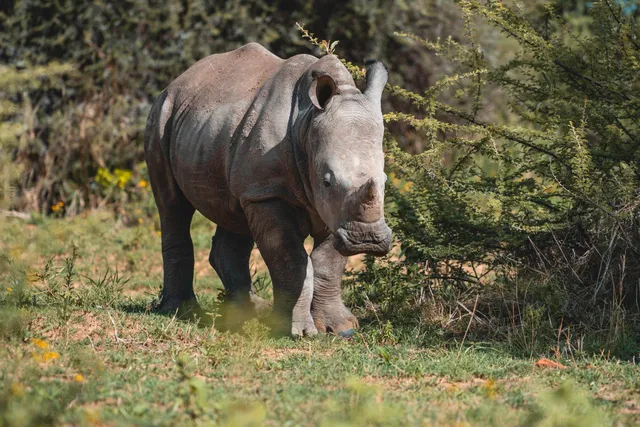
Planifie ton voyage dans l’app : Namibia.
Enregistre activités et hébergements, compose ton itinéraire et emporte tout hors ligne.




Itinéraires : Namibia
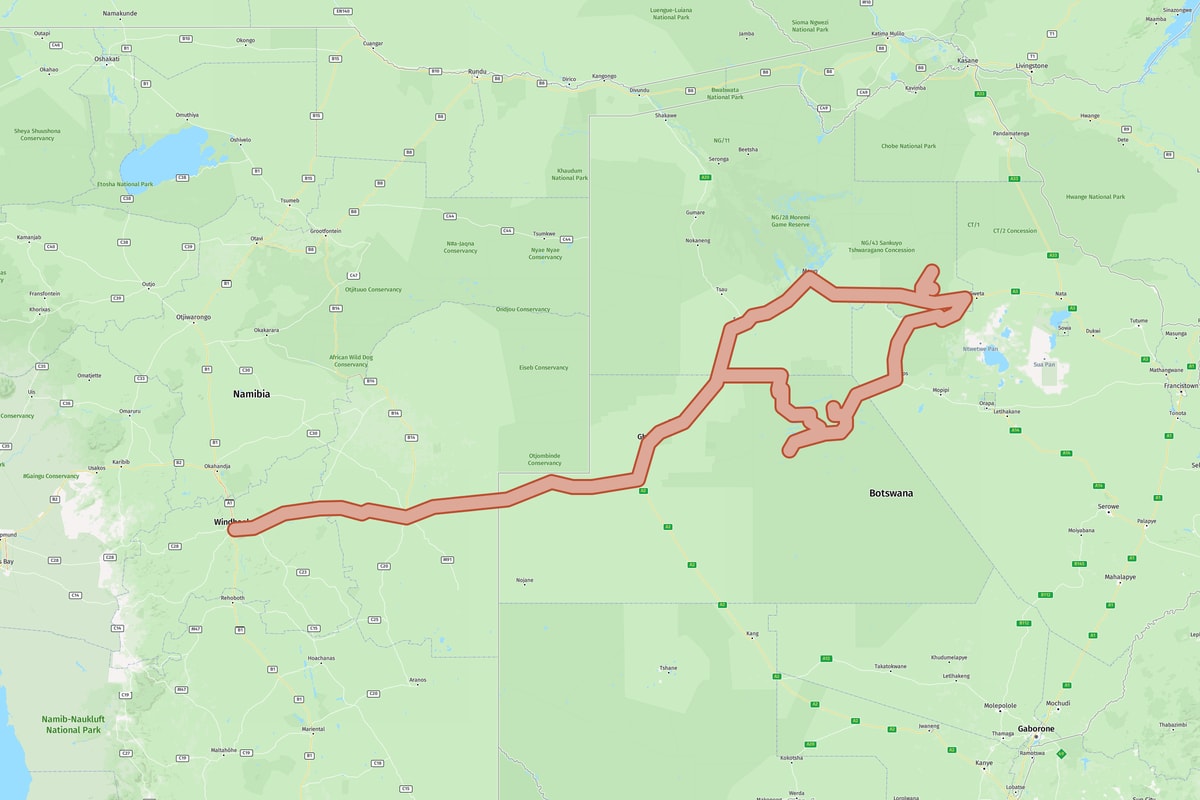
Experience the spectacular zebra migration along ancient salt pans
18 jours · 2 338 km
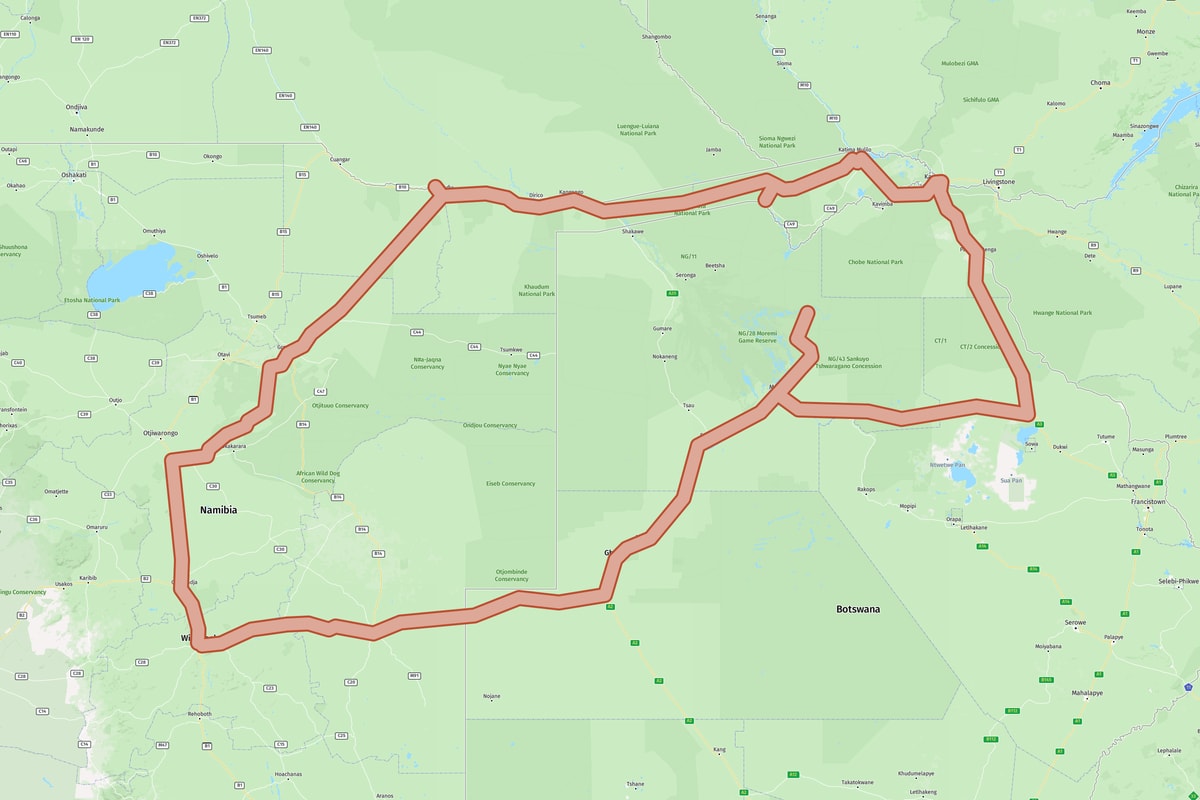
Explore Botswana's highlights on paved roads
20 jours · 3 068 km
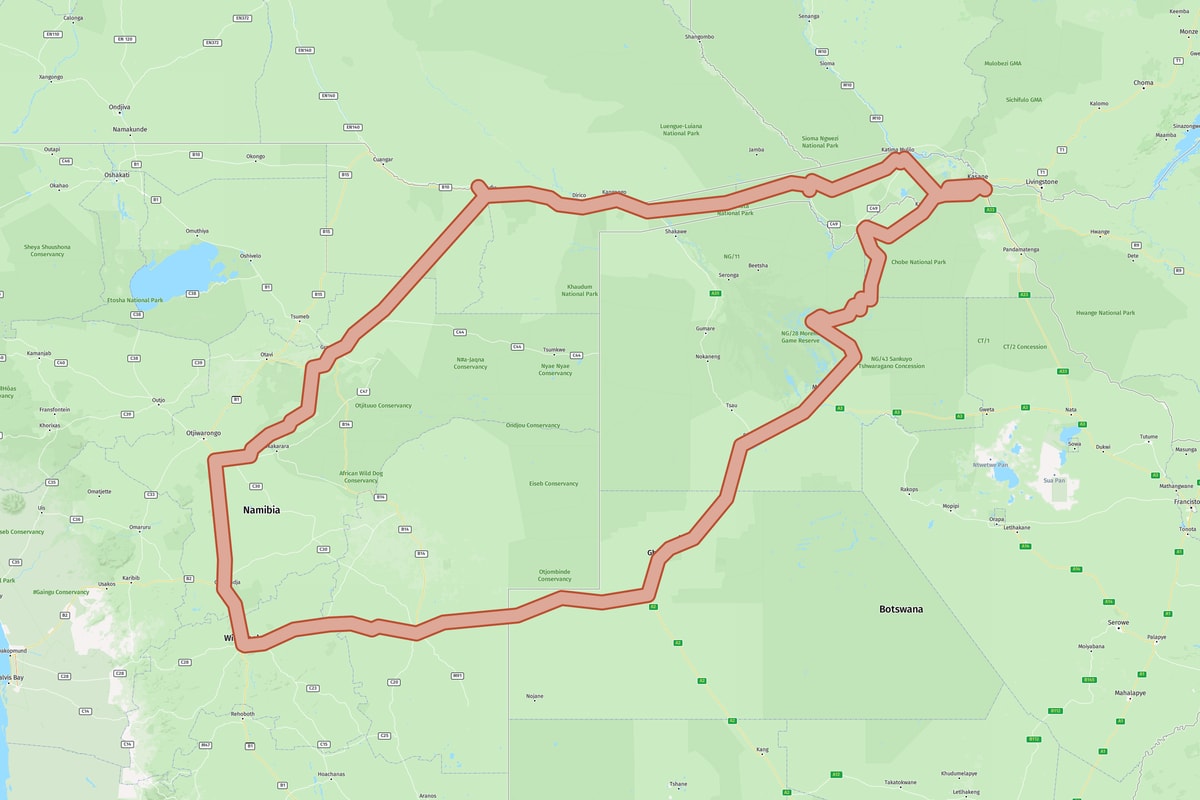
Discover Botswana's green side on an Okavango Delta adventure
21 jours · 2 704 km
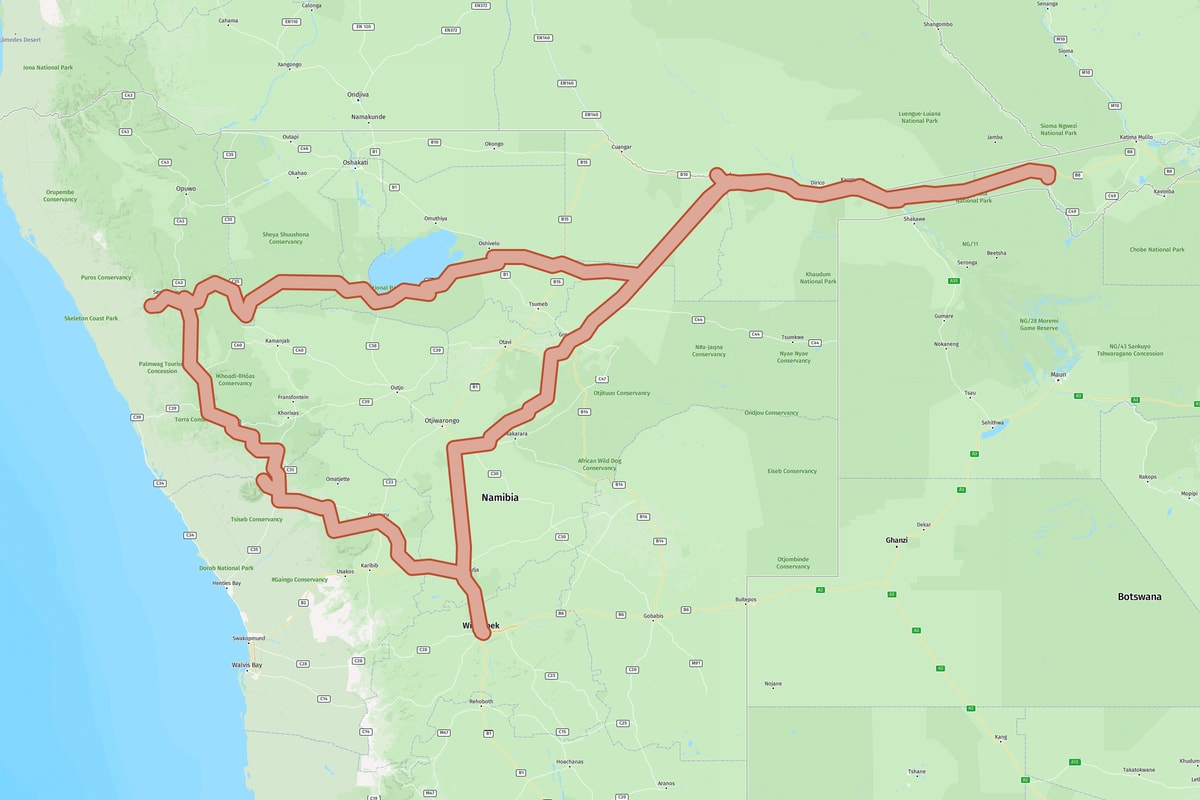
Adventure through the wilderness
22 jours · 3 215 km
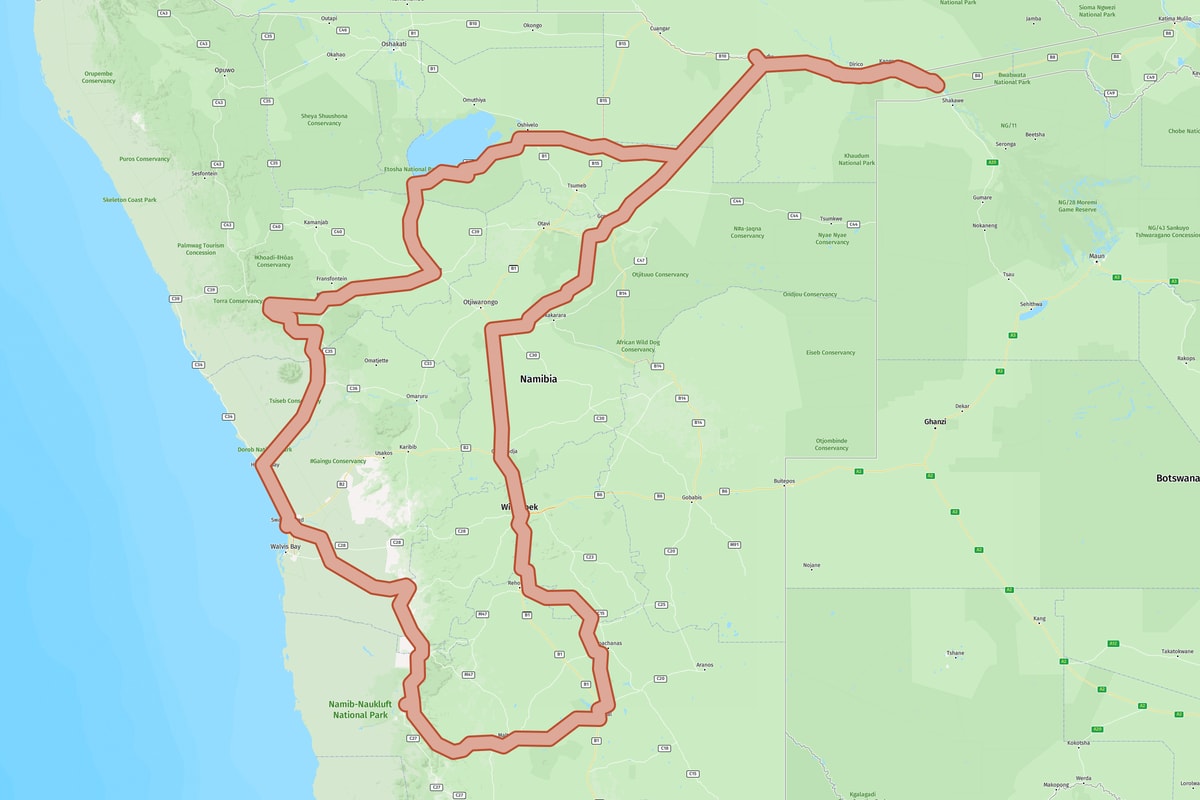
Namibia Wildlife Unlimited
20 jours · 3 274 km
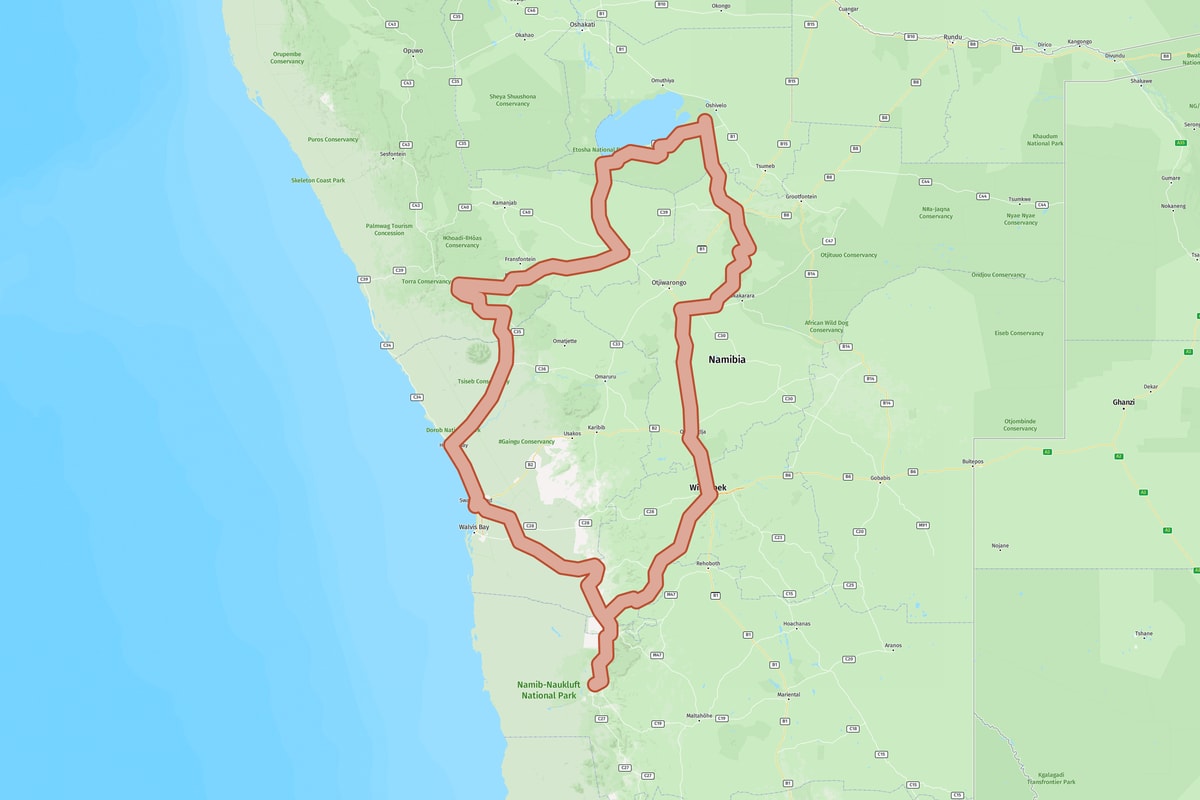
Wildlife in the heart of Namibia
14 jours · 1 990 km
Activités : Namibia
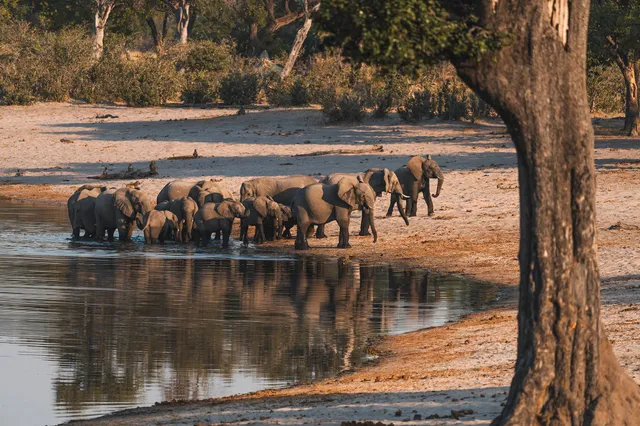
Watch large elephant herds from the viewing platform
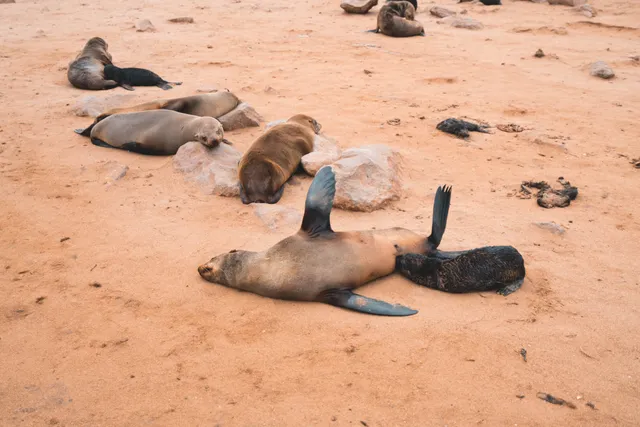
Visit Namibia's largest seal colony
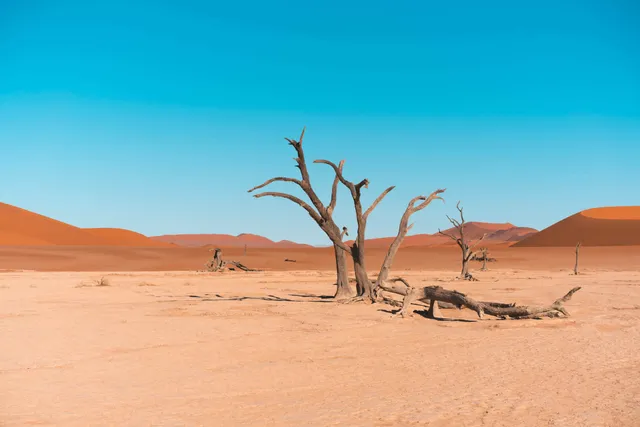
Explore Deadvlei with its ancient camel thorn trees
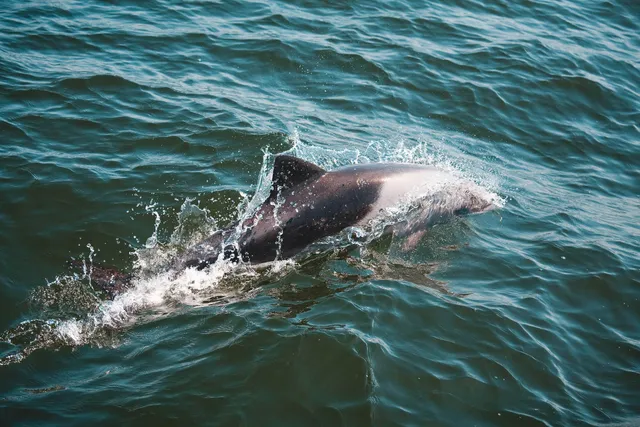
Watch dolphins from shore
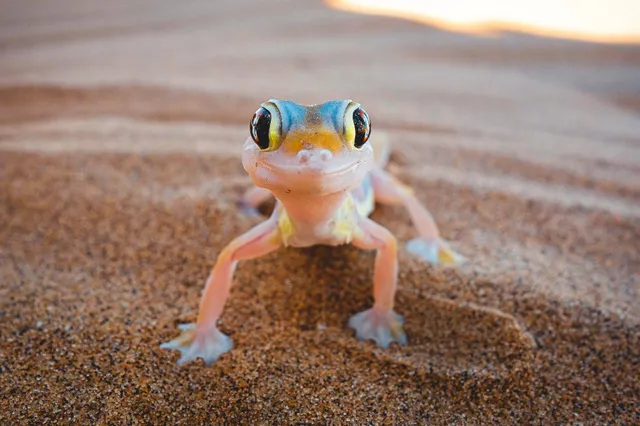
Discover the small animals of the desert
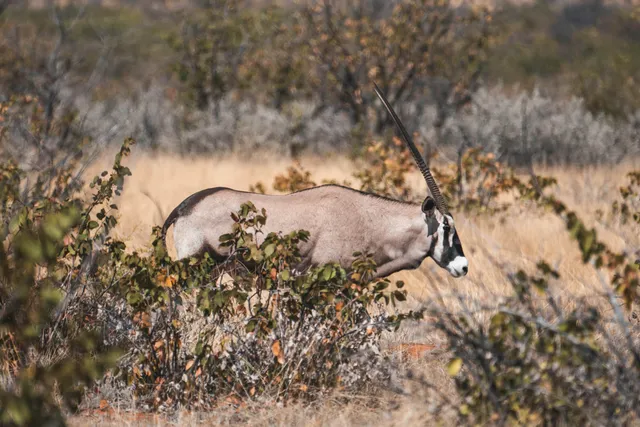
Dolomite game drive at sunrise
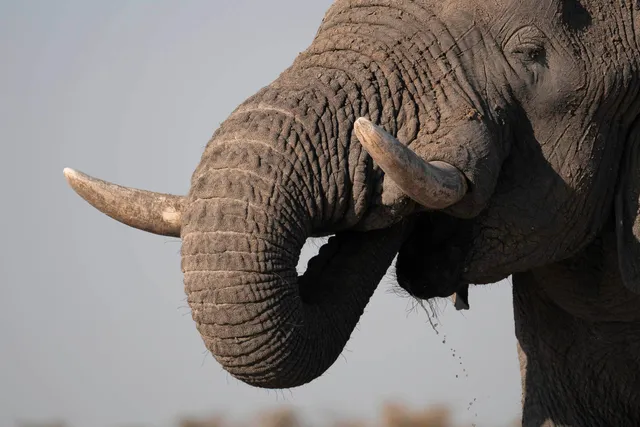
Dolomite game drive at sunset
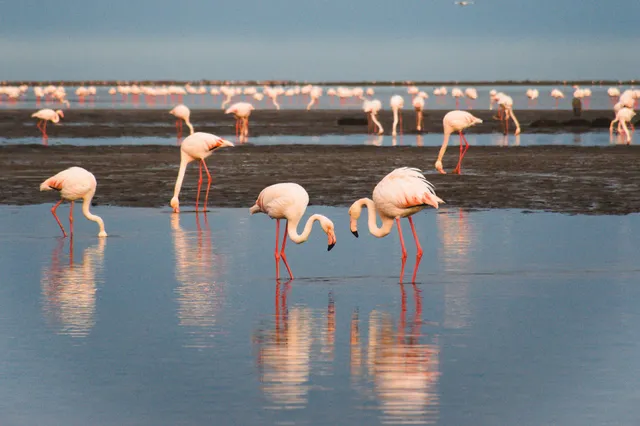
Explore Walvis Bay Lagoon on your own
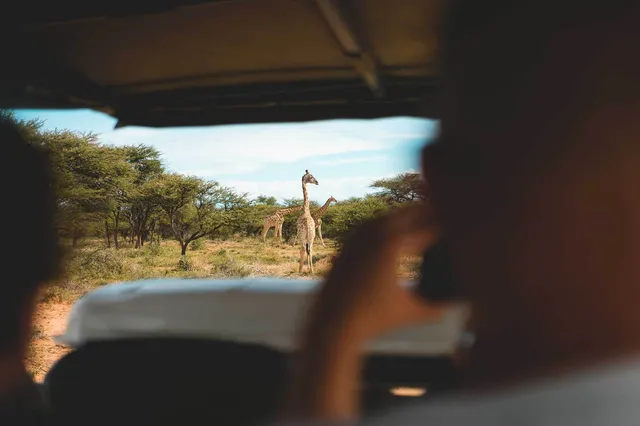
Experience rhinos up close on a game drive
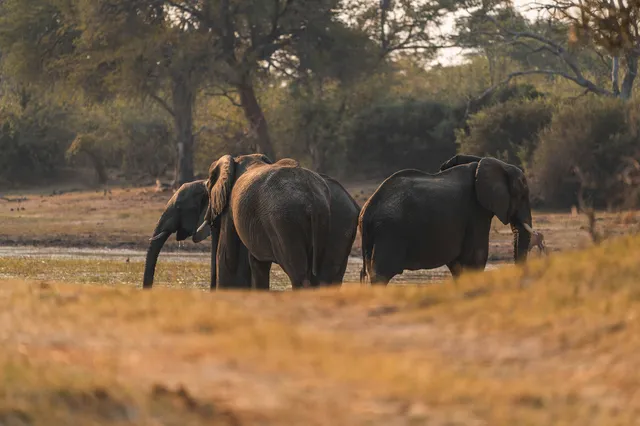
Find the large animal herds on the Okavango
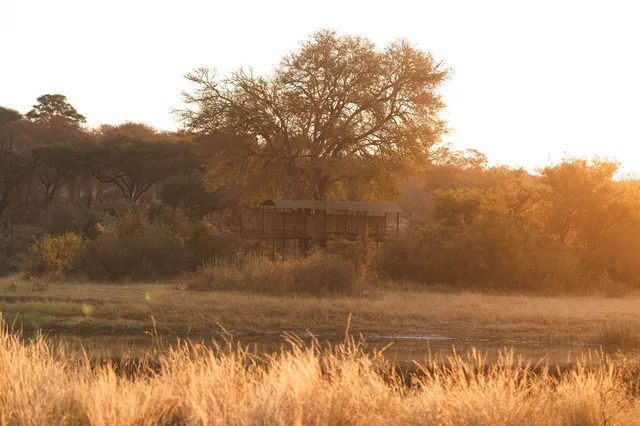
Enjoy a safari breakfast in a viewing hide
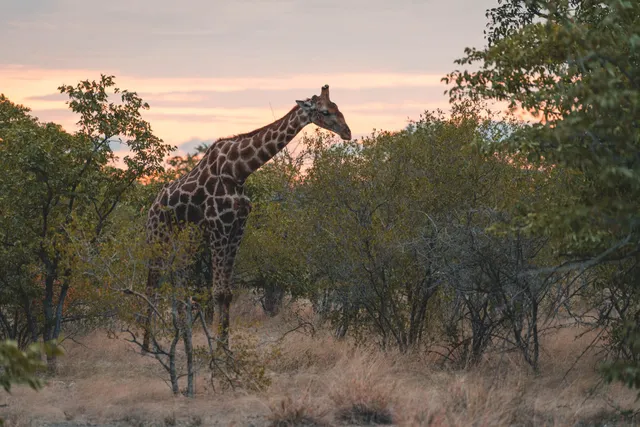
Halali sunrise game drive
Hébergements : Namibia
Campings : Namibia
Faune sauvage : Namibia



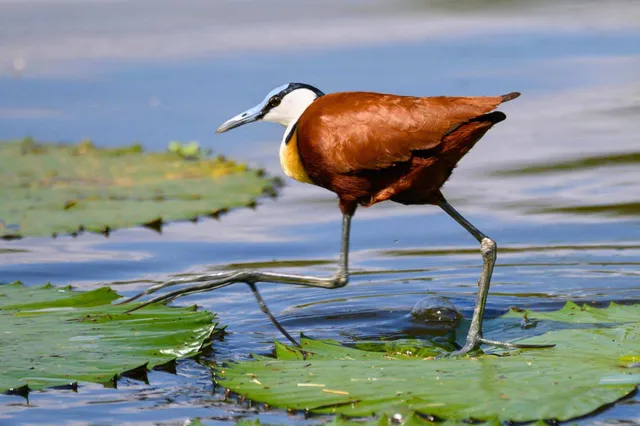
Préparer ton voyage : Namibia
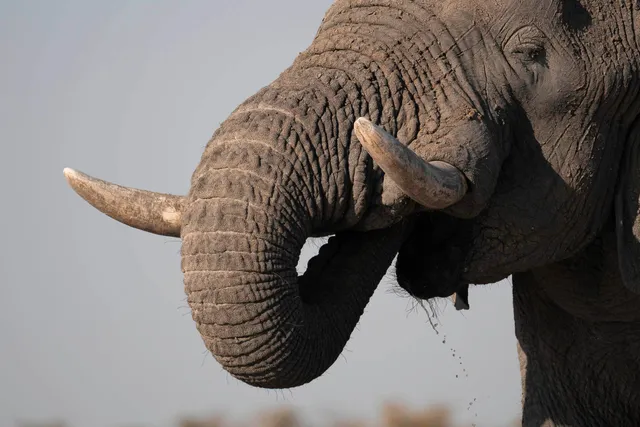
Big Five safari in Namibia: These are the best spots
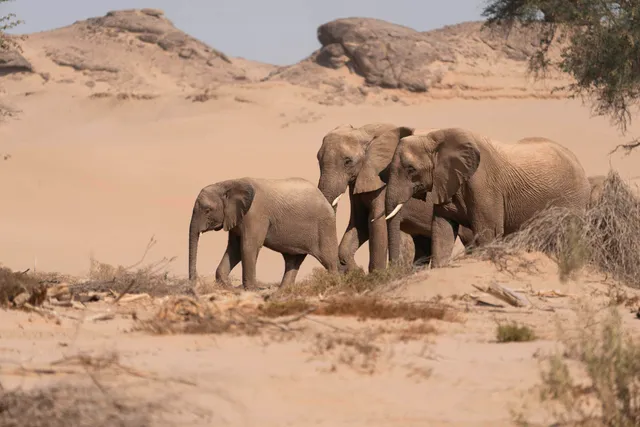
Desert elephants in Namibia: These are the best spots
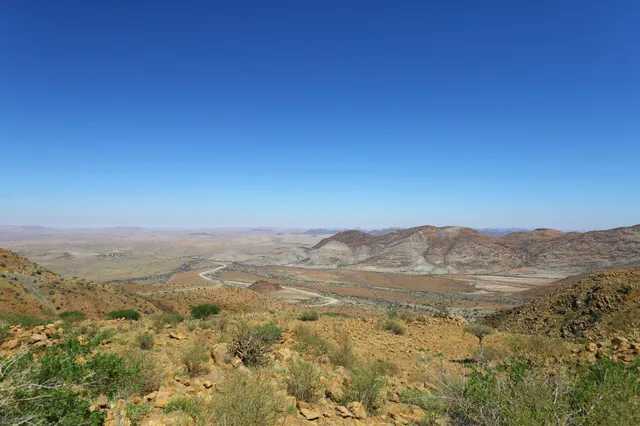
Spreetshoogte Pass: One of Namibia’s most beautiful panoramic roads
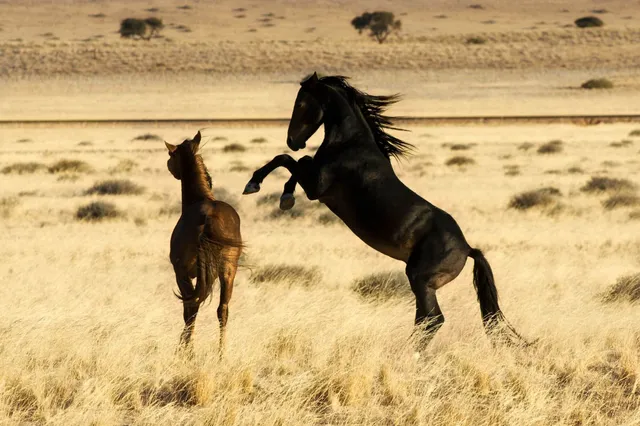
Namibia's wild horses: Encounter the survival experts of the Namib Desert
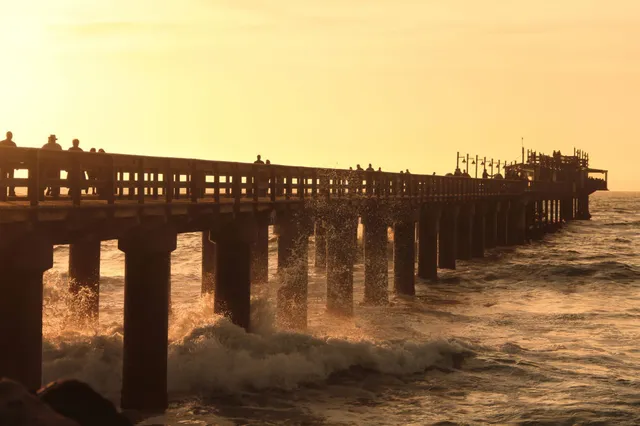
Swakopmund sights: The 9 most exciting adventures between desert and ocean
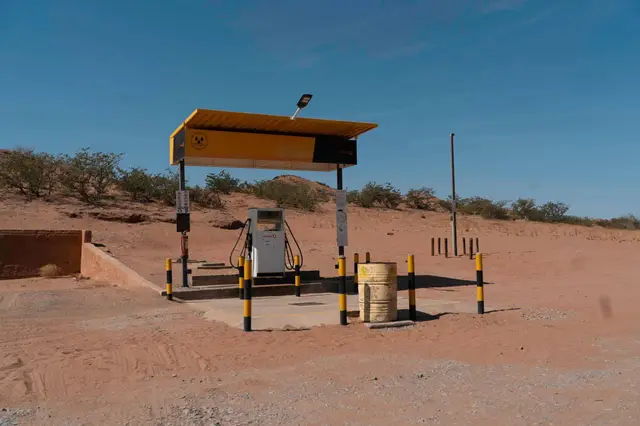
Filling up in Namibia: costs, tips and service
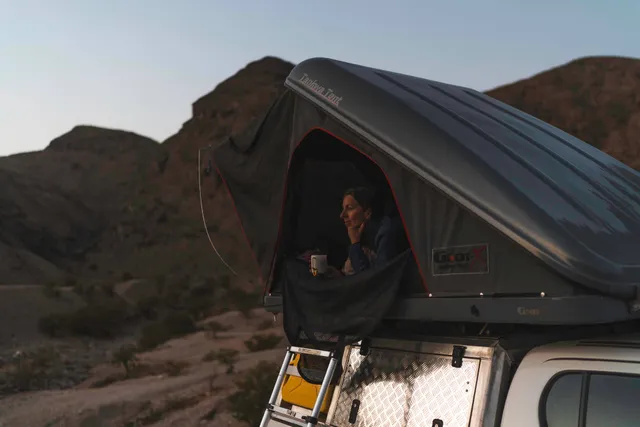
Namibia camping: The ultimate guide for planning your trip
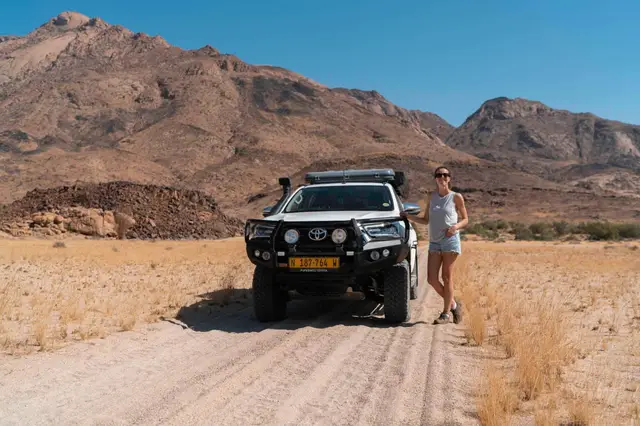
Planning a Namibia road trip: The ultimate guide for your perfect desert adventure

Namibia entry regulations 2025: Visa requirement for Namibia from 1 April 2025
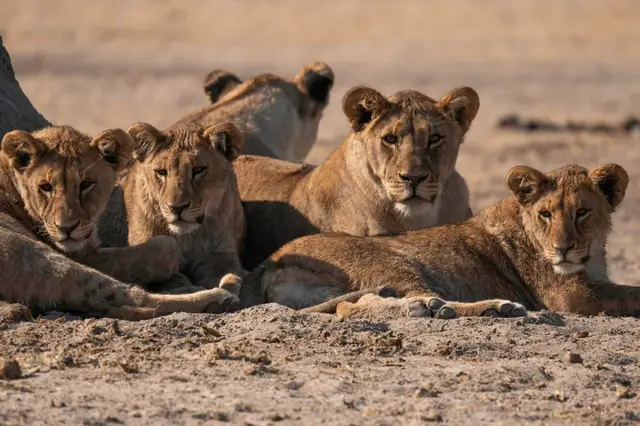
Lions in Etosha: Will we finally get the perfect photo?
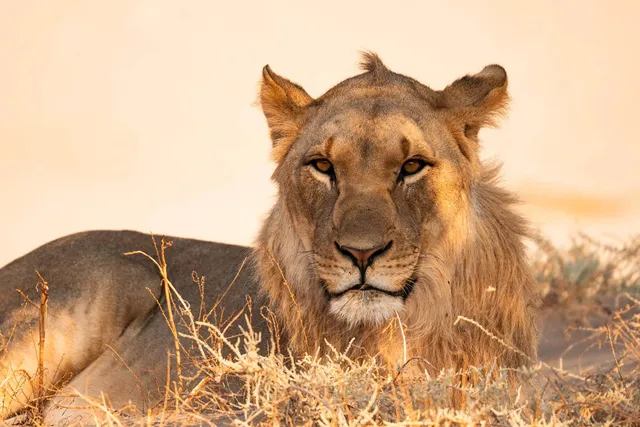
Desert lions in Namibia: On safari in the realm of the mysterious big cats
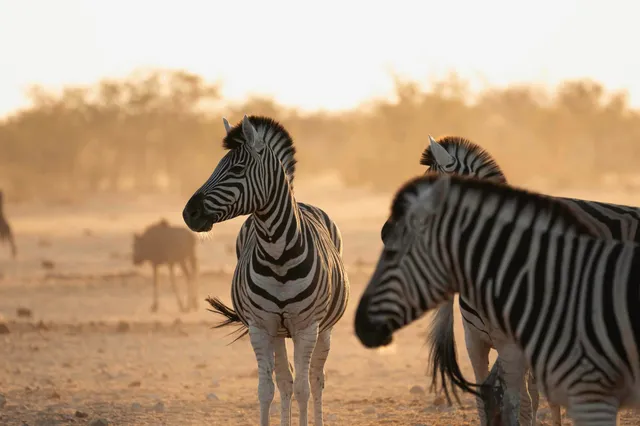
Wildlife in Namibia: When and where you can experience it best
Crédits photo : Bagatelle Kalahari Game Ranch, Barkhan Dune Retreat, Canyon Village, Gondwana Collection, Taleni Africa, Namibia Wildlife Resorts, Elegant Desert Camp, Erongo Rocks, Gondwana Colletion, Canyon Roadhouse Campsite, Hauchabfontein Campsite