Cette page n’existe pas encore en français : nous te montrons la version disponible.
Kruger National Park : tout pour préparer ton voyage
Experience Africa's wilderness in Kruger National Park – Big Five, safari adventures and breathtaking scenery in one of South Africa's largest national parks.
Pourquoi tu vas adorer cet endroit
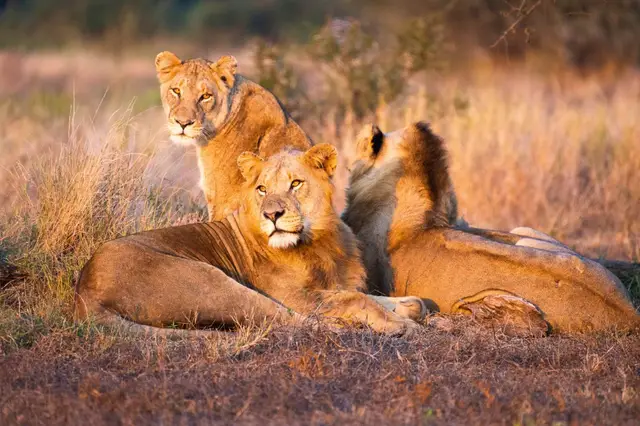
Experience the Big Five in the wild – Experience the Big Five – elephant, lion, leopard, rhinoceros and buffalo – in their natural environment and watch their behaviour at close range.
Watch spectacular sunrises on safari – Watch the savannah awaken in the golden morning light as the animals become active and nature comes to life.
Discover the park independently with a hire car – Discover the park under your own steam, stop flexibly and watch animals at your own pace – a particularly intense and personal safari experience.
L’essentiel en un coup d’œil
Special feature – Kruger is one of Africa's best-known national parks and offers excellent opportunities for self-drive safaris.
Landscape – In this region you find open savannahs, dry riverbeds, dense bush, mopane woodlands and large river landscapes.
Atmosphere – Depending on the region, the park feels completely different – from quiet bush landscapes to busy safari hotspots. The further north you drive, the quieter it becomes, but there are also quiet regions in the southern part of the park.
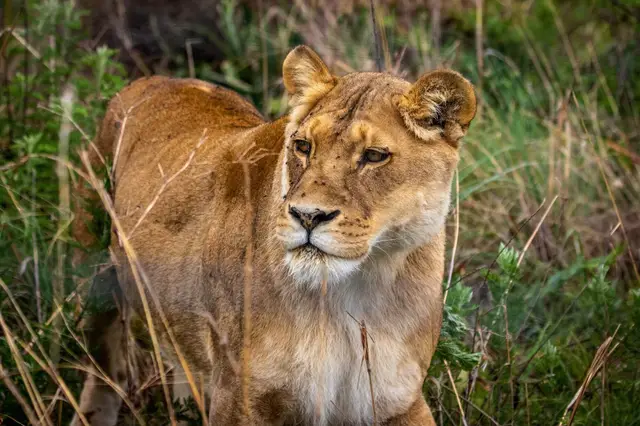
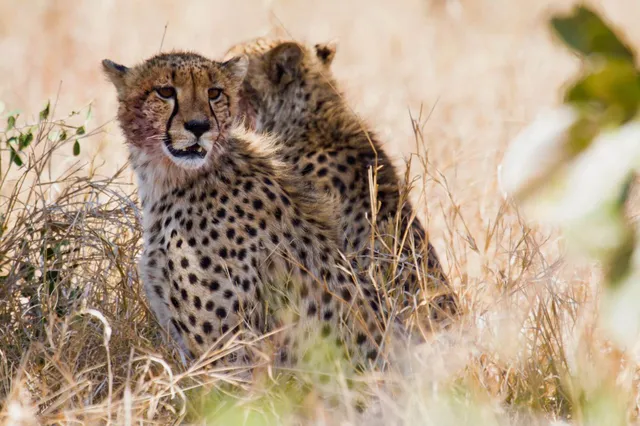
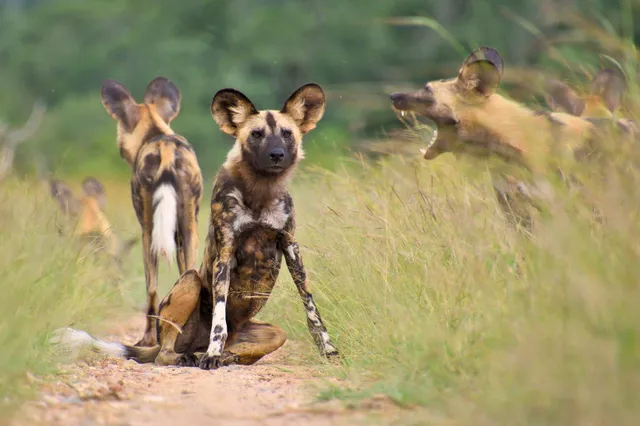
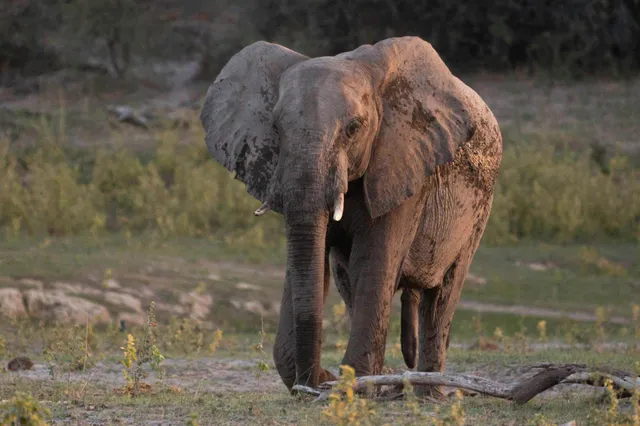
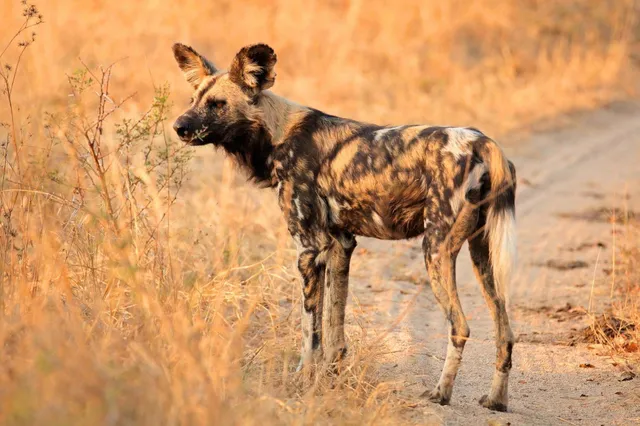
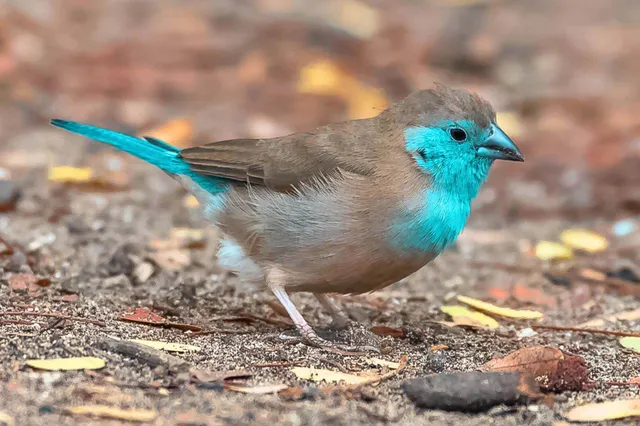
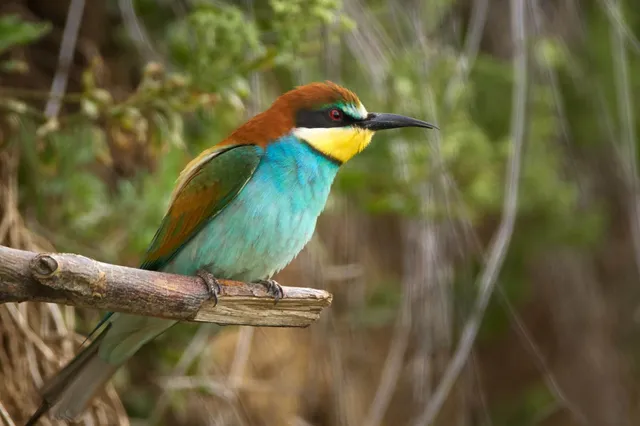
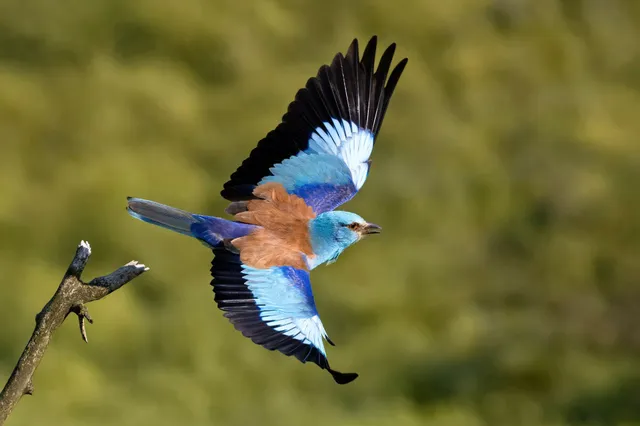
Wildlife watching – You can often see the Big Five here, as well as African wild dogs, cheetahs and many bird species.
Safari feeling – Many animals can be observed directly from the roads, which makes the park ideal for going on safari under your own steam.
Regions – The south is considered rich in wildlife and busier, while the north feels quieter, greener and far less visited.
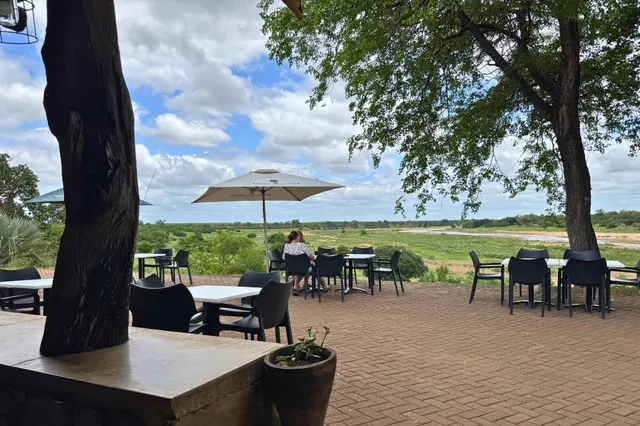
Camps – In the park there are large rest camps with restaurants, shops and petrol stations, as well as smaller bush camps with a quieter atmosphere.
Self-drive – Kruger is perfect for both first-time and experienced self-drivers.
Roads – Many main roads are tarmac, alongside numerous well-maintained gravel roads.
Infrastructure – Petrol stations, shops, restaurants and accommodation are well distributed across the entire park.
Opening times – Gate and camp times are based on sunrise and sunset. The exact times are posted daily.
Climate – The region is usually hot and dry; during the African summer months it becomes noticeably greener and more humid.
Mobile reception & internet – Reception is usually reliable around larger camps, but often limited in more remote regions.
General information about Kruger National Park
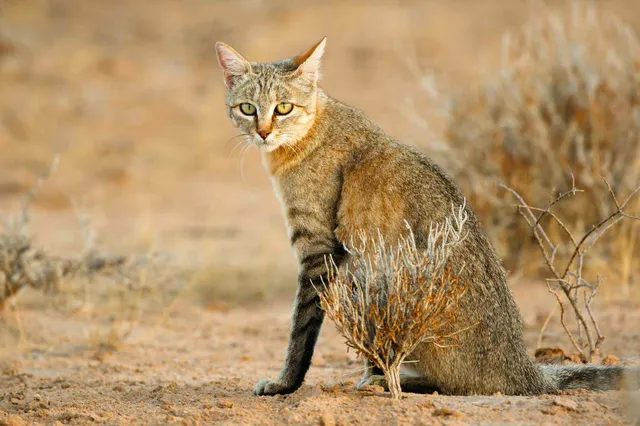
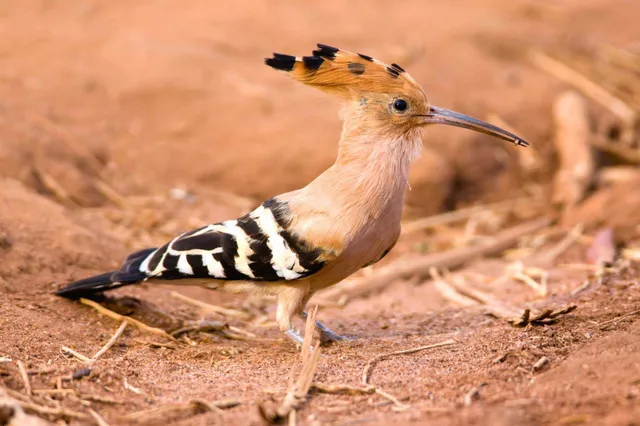
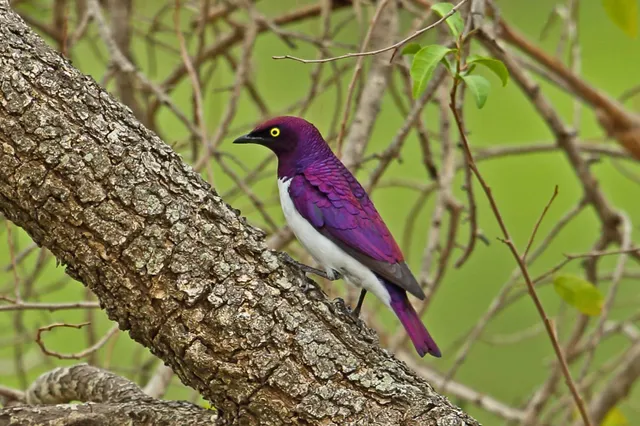
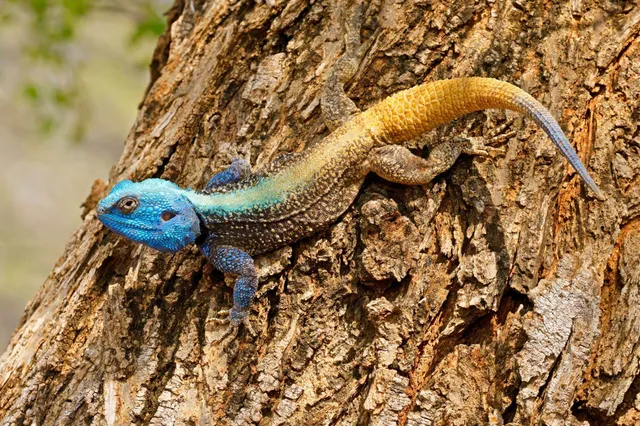
Kruger National Park stretches across north-eastern South Africa along the border with Mozambique and, with around 19,633 square kilometres, forms the largest wildlife reserve in the country. The open savannah, broken up by dense bush landscapes and river courses, is home to an impressive ecosystem with over 2,000 different plant species. Nowhere else in Africa will you find as many large mammals as here: more than 148 mammal species, over 500 bird species, including many rare migratory birds, as well as numerous reptiles, amphibians and fish share this habitat.
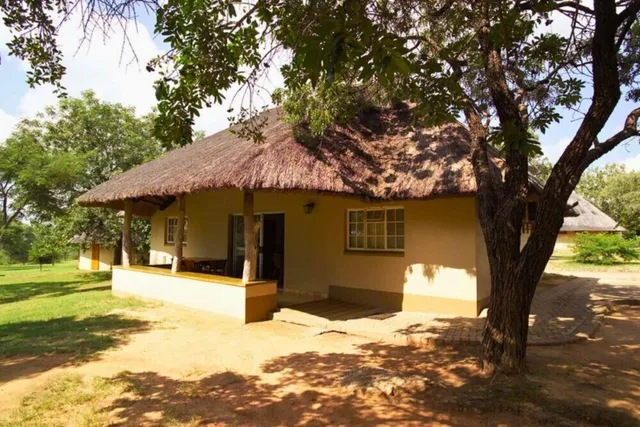
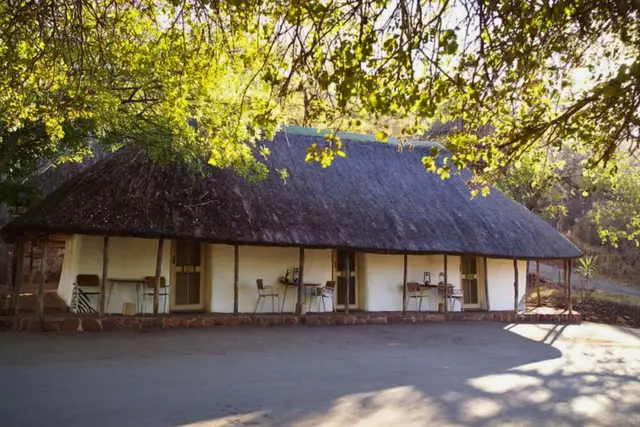
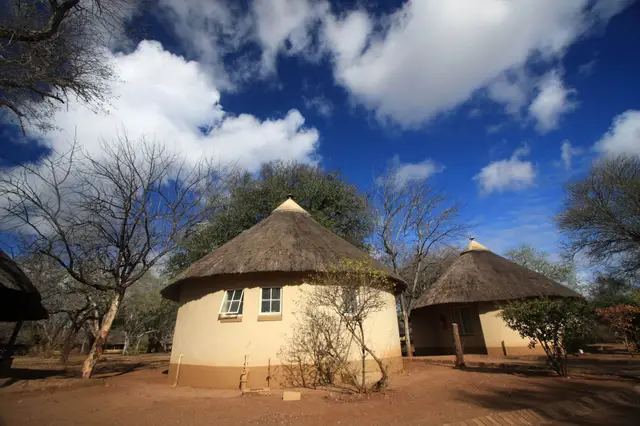
Accommodation in Kruger National Park is authentic and practical, without shutting you off from nature. Rest camps such as Berg-en-Dal Rest Camp, Skukuza Rest Camp or Letaba Rest Camp offer you everything you need for your safari adventure, with cafés, small shops and picnic sites. Allow at least three nights to really experience Kruger and to take time now and then to unwind by the campfire.
Entrance and opening times
- Opening times: Kruger National Park is open all year round. The gates usually open depending on the season between 5.30 and 6am and close between 5.30 and 6.30pm.
- Prices: Park entrance for international guests is around 535 ZAR per person per day, with discounts for South African citizens.
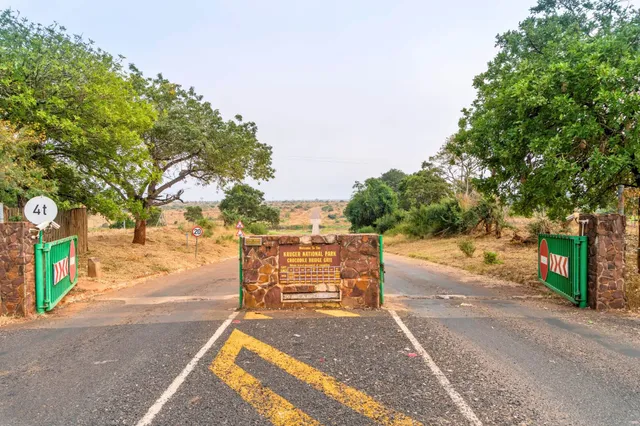
- Access: You can reach the park via several gates (for example Paul Kruger Gate, Crocodile Bridge Gate, Orpen Gate). Access with a hire car (including 2WD) is possible, all main roads are tarmac, side roads are mostly gravel.
- Booking and payment: Entrance tickets and accommodation can be booked online in advance via SANParks. Payment is also possible at the gates in cash or by card. For overnight stays it is advisable to book in advance. You can find camps and accommodation in our overview, for example Skukuza Rest Camp.
Tip: In our free Wildful Stories app you will find suggested routes, activities and suitable camps that you can save for your own planning.
Popular places to stay overnight
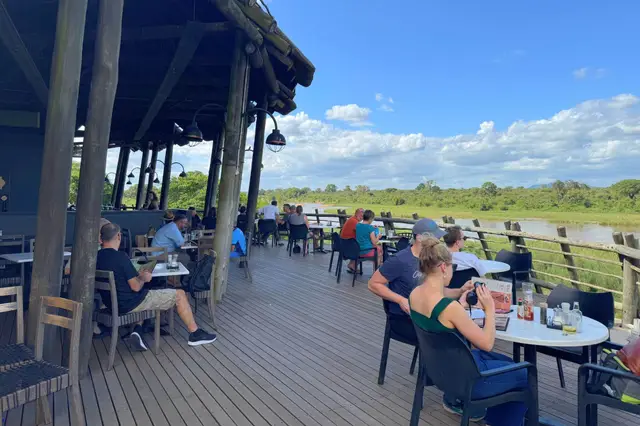
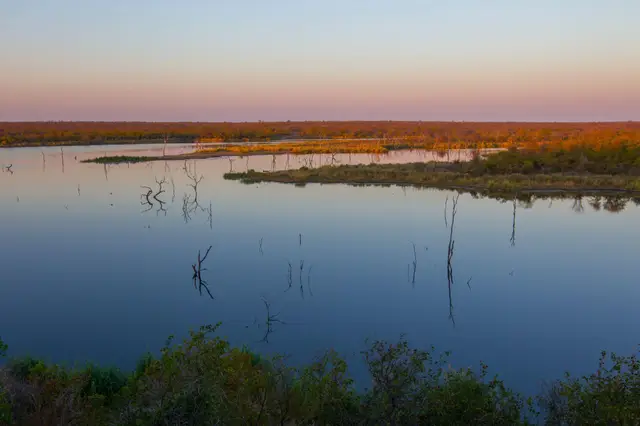
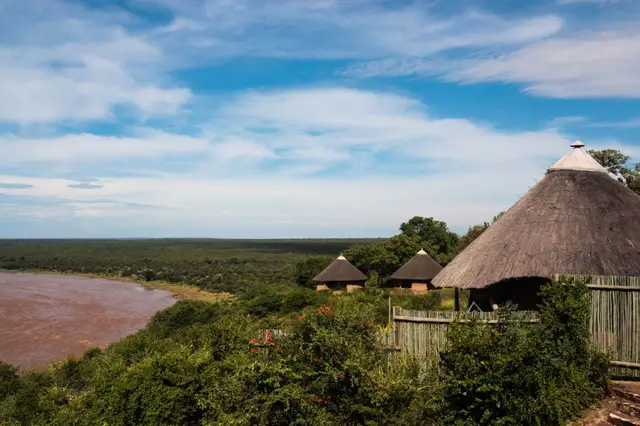
In Kruger National Park you have numerous rest camps available to you directly inside the protected area. Treat yourself to a real safari feeling on the riverbank at Letaba Rest Camp, sleep with views over wide plains at Satara Rest Camp, look out over the Olifants River from Olifants Rest Camp or enjoy the wild south at Skukuza Rest Camp. If you prefer to sit by the river, you will find ideal conditions for evening wildlife watching at Lower Sabie Rest Camp. Further options in the park are Berg-en-Dal Rest Camp, Orpen Rest Camp, Mopani Rest Camp and Crocodile Bridge Rest Camp, each with its own special features in terms of location and wildlife.
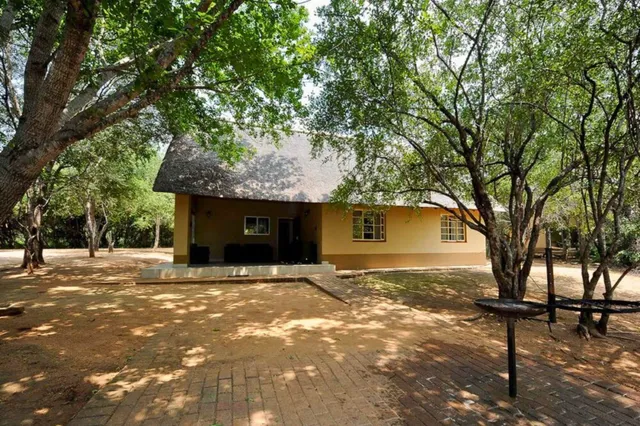
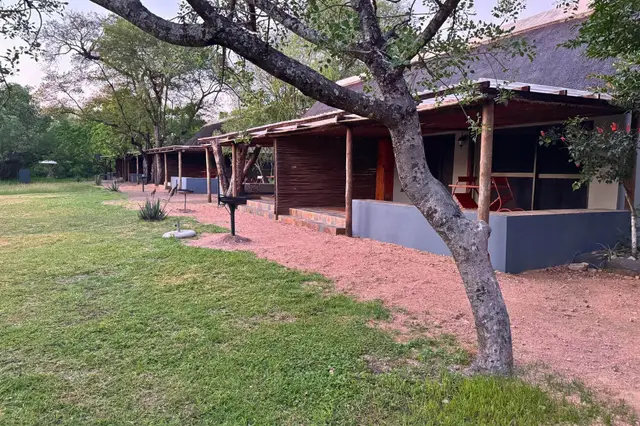
Outside the park you will find charming accommodation with personal service, such as Idle & Wild Chalet. From here you can reach several gates of Kruger quickly. The surrounding area offers peace between safaris, natural sounds in the evening and good access to supermarkets for your self-catering days. You will find even more hand-picked accommodation and campsites directly in our free Wildful Stories app – simply save your favourites for your route.
Best time to visit Kruger National Park
The dry season from May to September is considered the best time for safaris. There is little rain, the vegetation is open and animals gather at the remaining waterholes. You have excellent chances of seeing lions, elephants or rhinos at places such as Sunset Dam.
- Dry season (May to September): Good conditions for wildlife viewing, few mosquitoes, pleasant temperatures, excellent visibility at waterholes and along riverbanks.
- Rainy season (October to April): The landscape is green and you can see many young animals. Migratory birds move through the park. Because of frequent showers and dense vegetation it can be more difficult to see predators.
During the main South African holiday periods in December and July it is busier at the gates and in the popular camps. For individual routes, spontaneous stops or rare bird species, the shoulder season is worthwhile. You will find more inspiration, activities and camps in our Wildful Stories app.
Good to know for your planning
- Drones prohibited: Flying drones is strictly forbidden throughout Kruger National Park. It is best to leave your drone at home altogether to avoid problems at the gate.
- Only get out at permitted places: You may only leave your vehicle at designated picnic sites, rest camps and viewpoints.
- Observe gate times: The gates open and close at fixed times depending on the season. Make sure you return from the bush in time, otherwise you risk heavy fines.
- Supplies: Many rest camps have shops, restaurants and petrol stations. You can therefore freely decide whether to cater for yourself or eat in the restaurants.
- Animals have right of way: Encounters with elephants, rhinos or predators are possible at any time. Drive slowly, keep your distance and give the animals space – safety comes before a good view.
- Planning made easier with the app: Ready-made safari routes for self-drivers, accommodation and campsites in Kruger can also be found in our free Wildful Stories app. This keeps you flexible on the road and lets you adapt your route directly on site.
Getting there and location
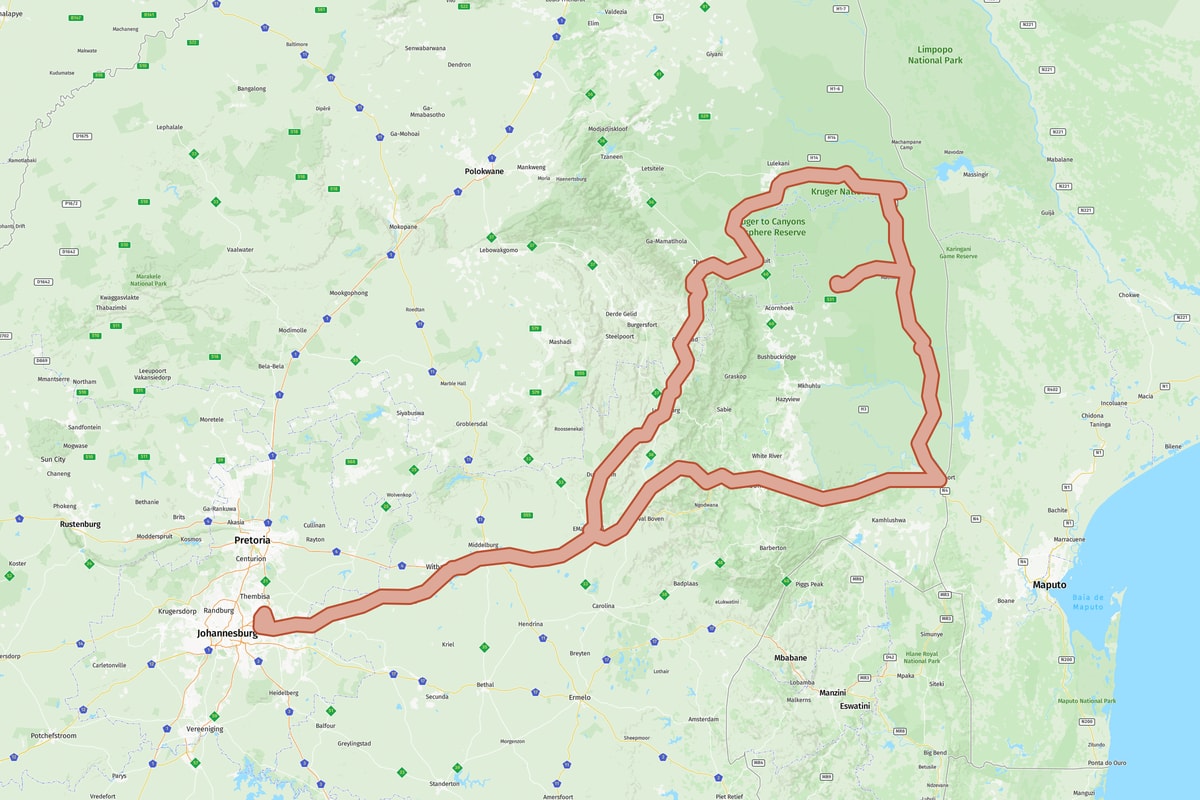
Kruger National Park stretches from the Crocodile River in the south to the Limpopo River in the north, framed by the foothills of the Drakensberg in the west and the lowlands of Mozambique in the east. The park is easy to reach with your own vehicle. There are several official gates leading to the different regions. The most important access points are in the south at Malelane and Crocodile Bridge, in the middle via Orpen and in the north at Punda Maria. Kruger is particularly well suited for self-drivers, as the well-developed road network of tarmac and gravel roads takes you to the most exciting waterholes, such as Olifants or Girivana waterhole.
The atmosphere in the park is characterised by a sense of space, wilderness and constant anticipation: the next highlight could be waiting around every bend. The camps score with plenty of freedom and reliable infrastructure so that you can head out on your own and still have a fixed place in camp in the evening. Plan your route so that you can comfortably cover the distances between gates and camps. For your planning on the road we recommend the Wildful Stories app, where you will find ready-made game drive routes, rewarding waterholes, viewpoints, camps and picnic sites collected for your adventure.
- From Johannesburg to Skukuza Rest Camp: approx. 470 km (approx. 6–7 h drive)
- From Nelspruit (Mbombela) to Malelane Gate: approx. 65 km (approx. 1 h drive)
- From Hoedspruit to Orpen Gate: approx. 60 km (approx. 1 h drive)
Itinéraires : Kruger National Park
Activités : Kruger National Park
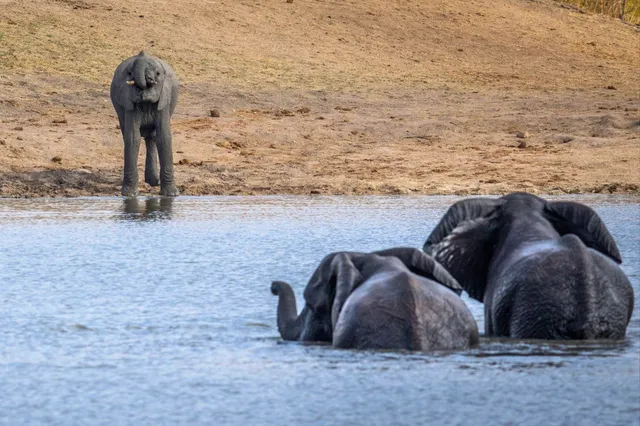
Watch huge elephant herds wallow in the mud
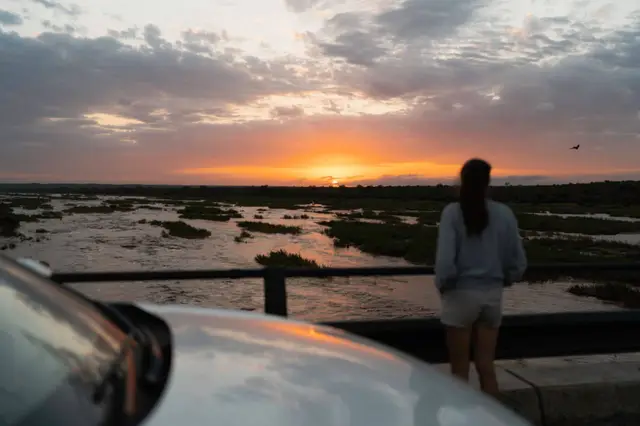
Watch the sunrise from a very special bridge
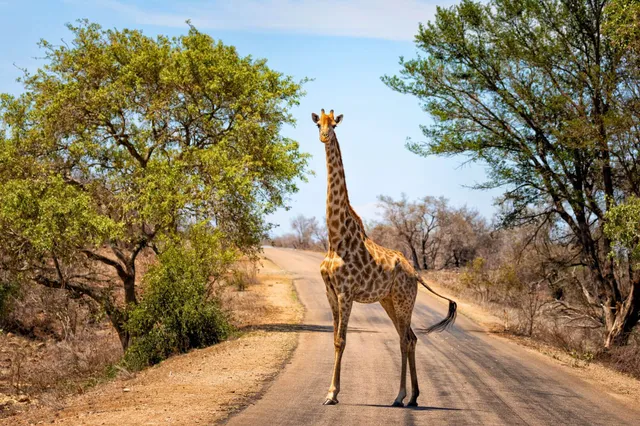
Half-day game drive from Crocodile Bridge Rest Camp (tarmac road)
Half-day game drive from Lower Sabie Rest Camp
Half-day game drive from Orpen Rest Camp
Half-day game drive from Satara Rest Camp (tarmac road)
Half-day game drive from Skukuza Rest Camp
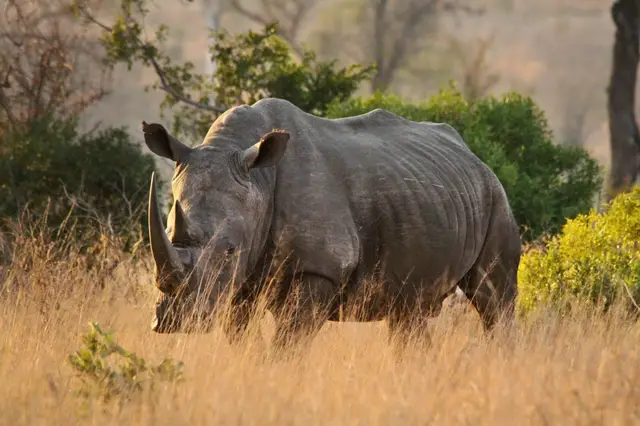
Sunset drive from Crocodile Bridge
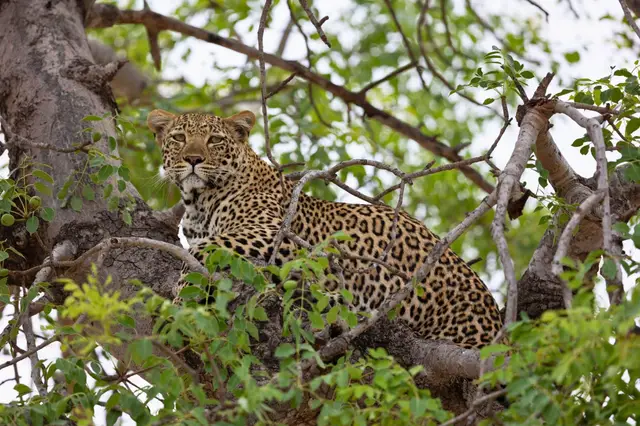
Sunset game drive from Lower Sabie Rest Camp
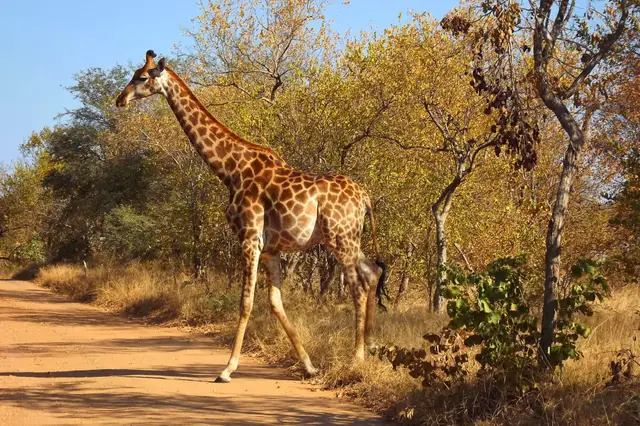
Sunset game drive from Skukuza Rest Camp
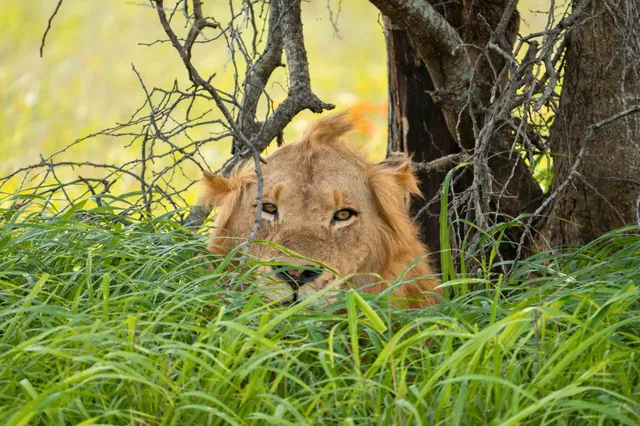
Watch out for the local lion pride along the savanna
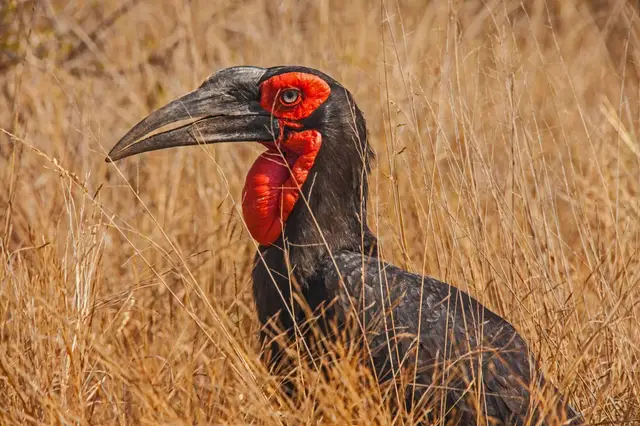
Look out for the nesting sites of the endangered southern ground hornbill
Hébergements : Kruger National Park


Faune sauvage : Kruger National Park



Planifie ton voyage dans l’app : Kruger National Park.
Enregistre activités et hébergements, compose ton itinéraire et emporte tout hors ligne.




Avec Wildful Stories+, tu obtiens aussi : la meilleure période pour visiter cette région. En savoir plus sur Wildful Stories+
Crédits photo : San Parks, Idle & Wild Chalet