Cette page n’existe pas encore en français : nous te montrons la version disponible.
Small mammals
Chacma baboon
Papio ursinus
Chacma baboons live in large family groups, are adaptable omnivores and can be easily observed in open areas.
Fiche d’identité
- Taille
- Males weigh 25 to 45 kg and reach lengths of up to 115 cm, females are noticeably lighter and smaller.
- Mâles et femelles
- Males are more powerfully built than females, with long canine teeth.
- Cris
- A wide range of calls, including loud, barking barks and squeaks as warnings.
- Alimentation
- Omnivores: from roots and seeds to insects and smaller vertebrates.
- Petits
- One young after about 6 months of gestation, usually between November and April.
Comment reconnaître : Chacma baboon
The chacma baboon has shaggy dark grey to brown-grey fur. Its long dog-like skull gives it a distinctive appearance. Hands, face and rump are dark and hairless, which clearly sets it apart from other monkey species.
Male chacma baboons grow significantly larger than females and have a powerful, almost stocky build. Strikingly, the males’ canine teeth are greatly elongated. The tail is long and curved upwards for two thirds of its length, with the remaining third hanging loosely.
Plus de contenu dans l’app
Avec Wildful Stories+, tu obtiens aussi :
- des conseils d’observation
- 10 endroits où observer : Chacma baboon
Où vit l’espèce : Chacma baboon
Namibia
South Africa
Itinéraires pour observer : Chacma baboon
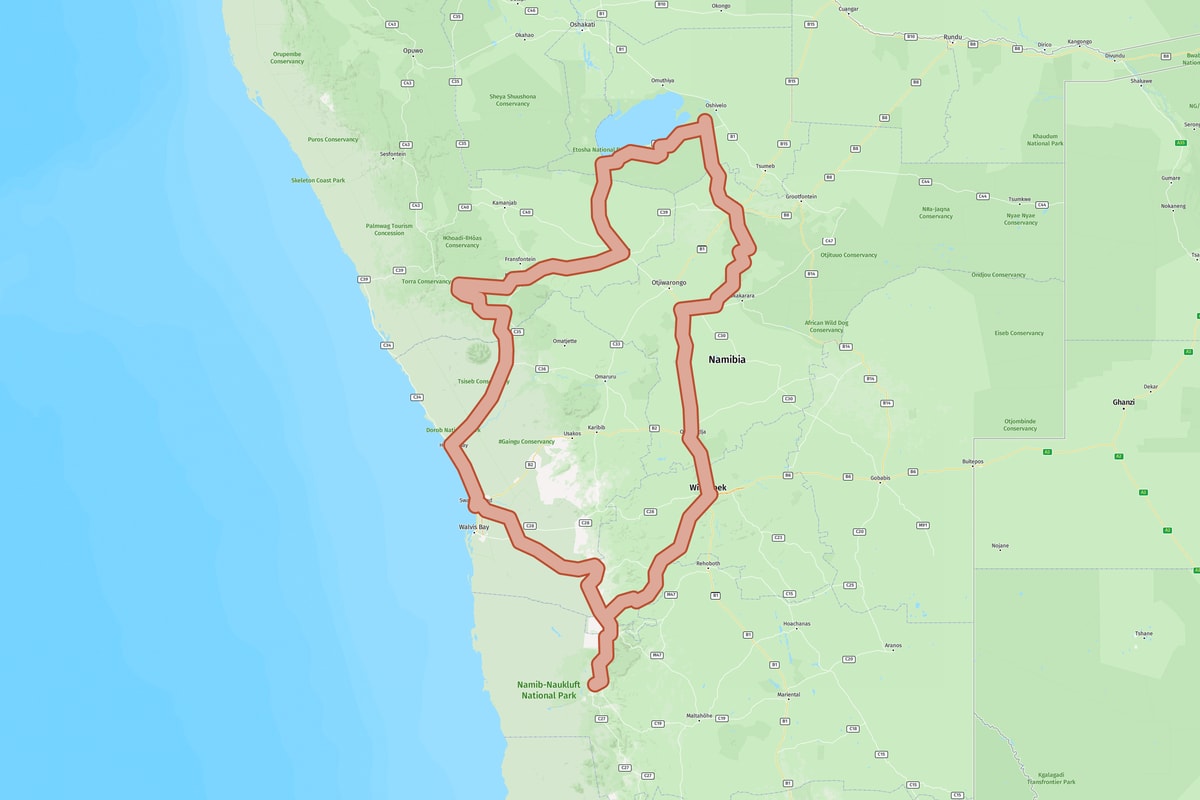
Wildlife in the heart of Namibia
14 jours · 1 990 km
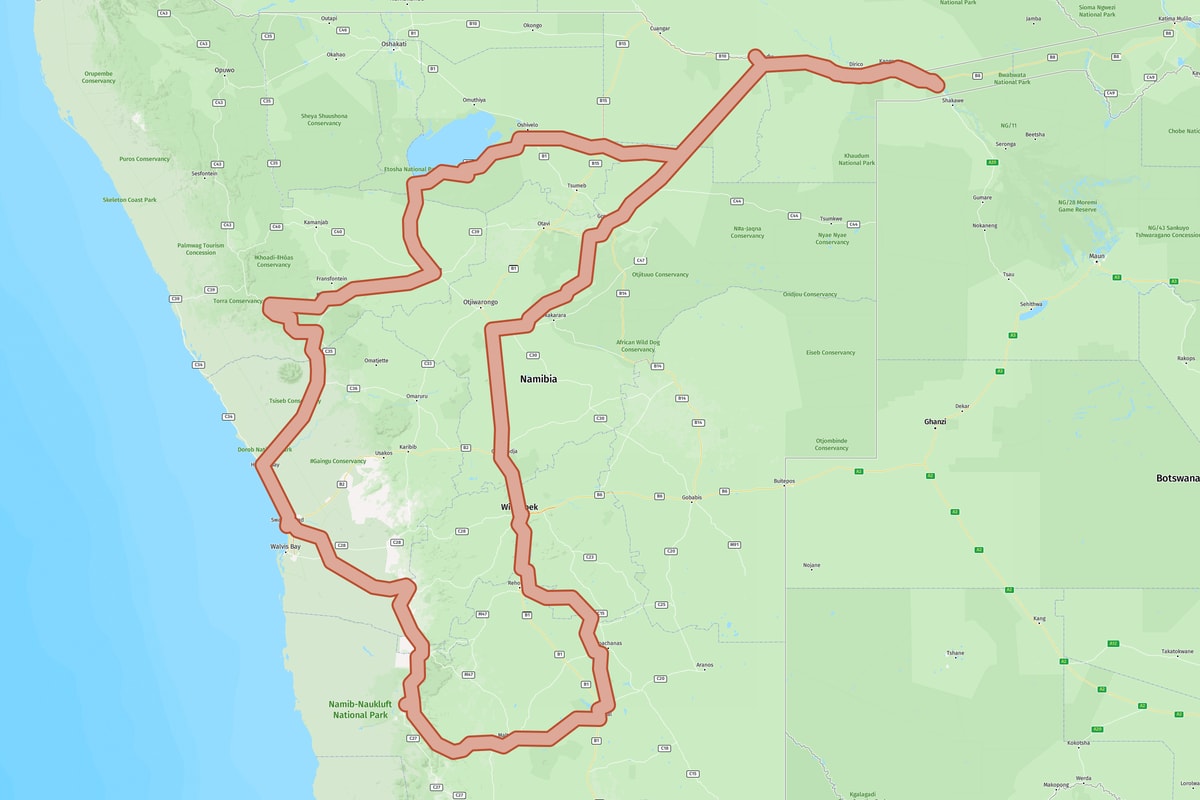
Namibia Wildlife Unlimited
20 jours · 3 274 km
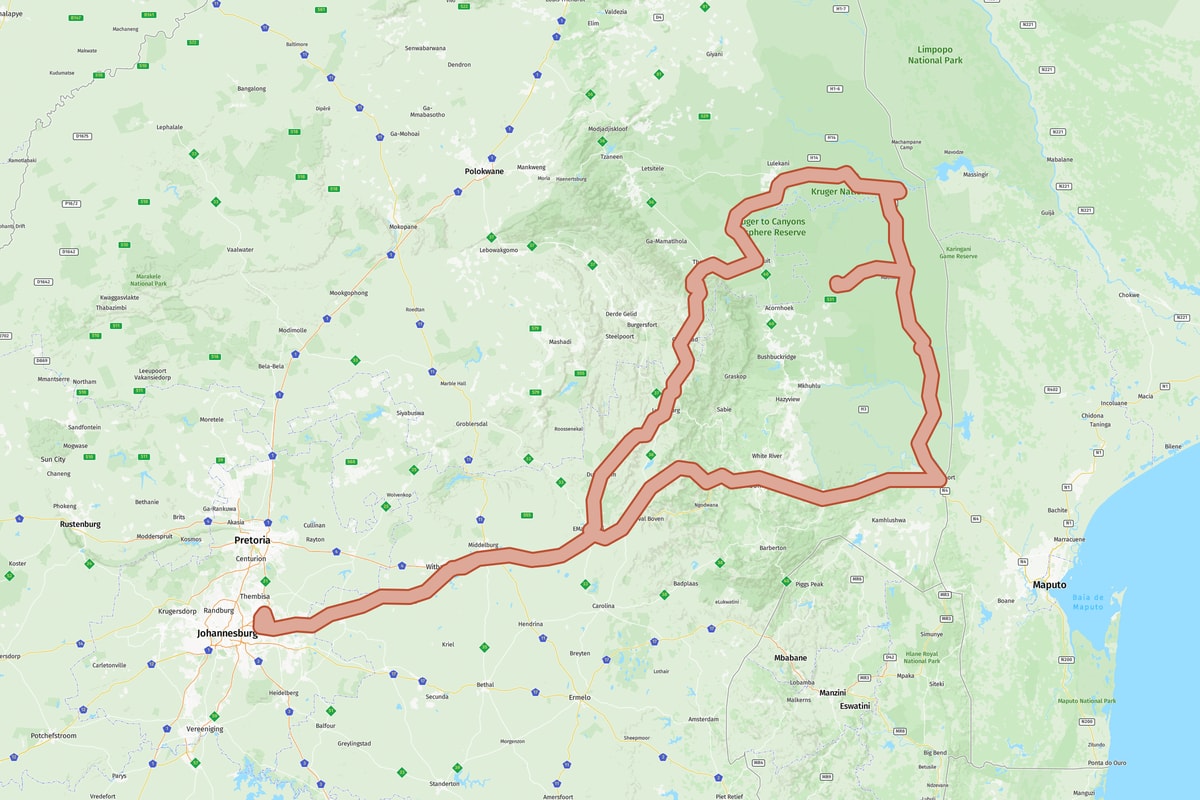
Experience an intensive safari in Kruger National Park
14 jours · 1 296 km
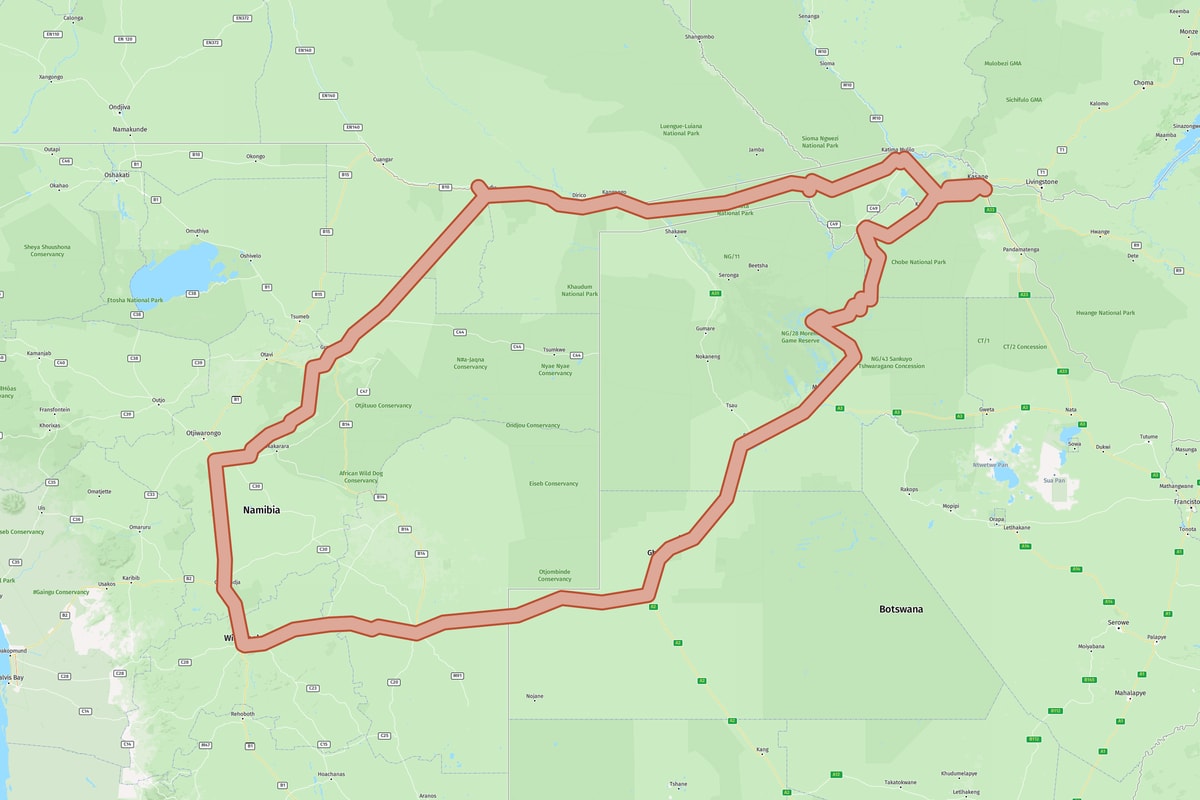
Discover Botswana's green side on an Okavango Delta adventure
21 jours · 2 704 km
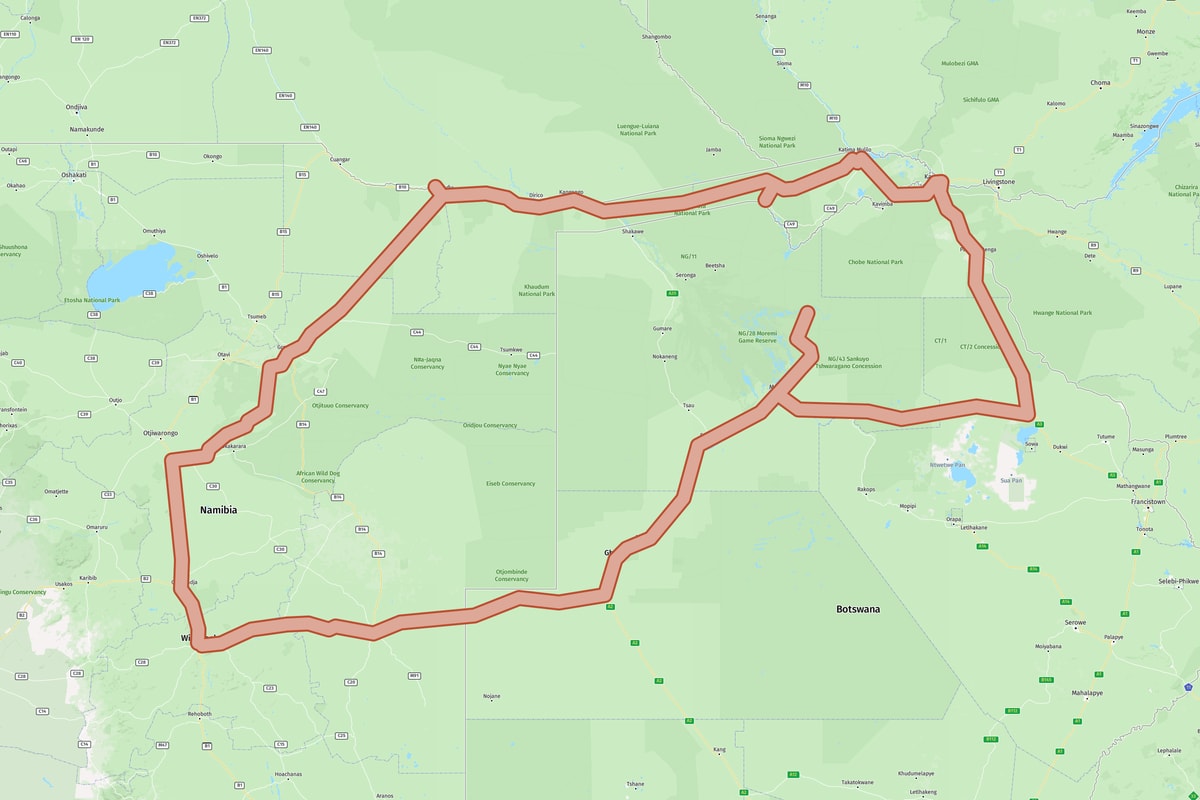
Explore Botswana's highlights on paved roads
20 jours · 3 068 km
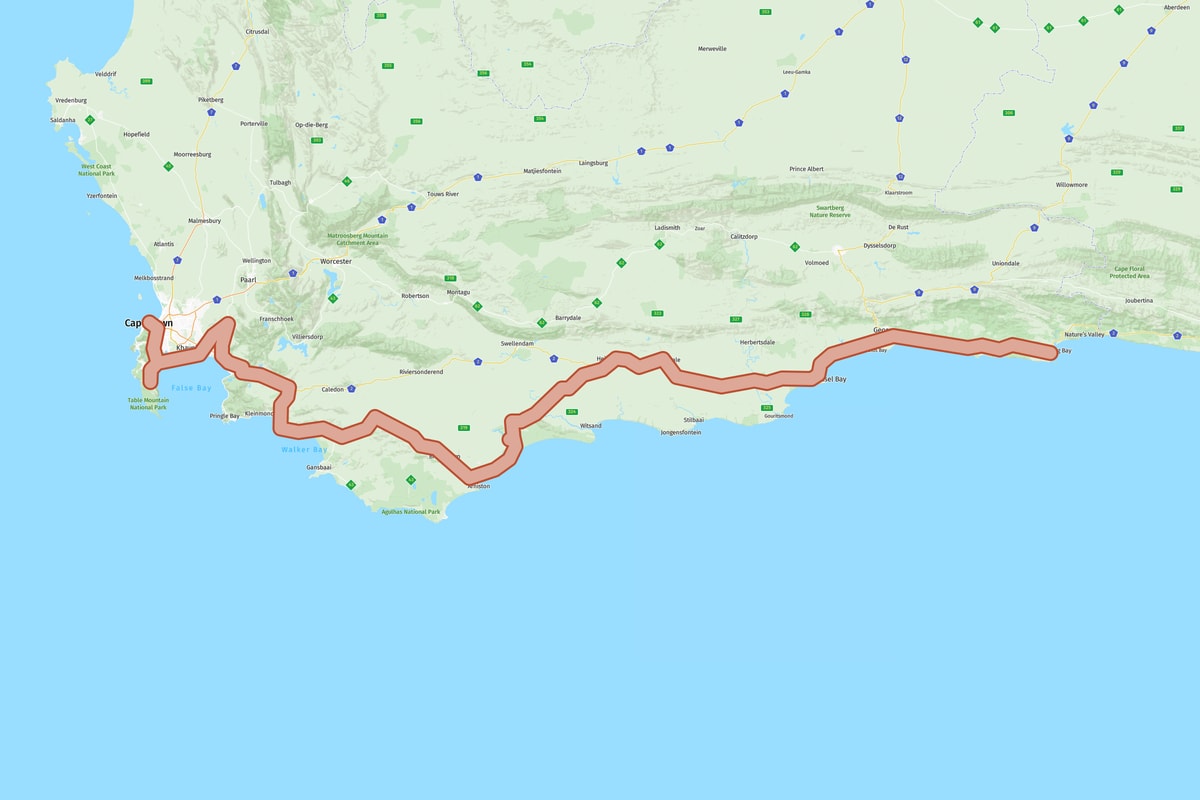
In search of whales along the Garden Route
15 jours · 665 km
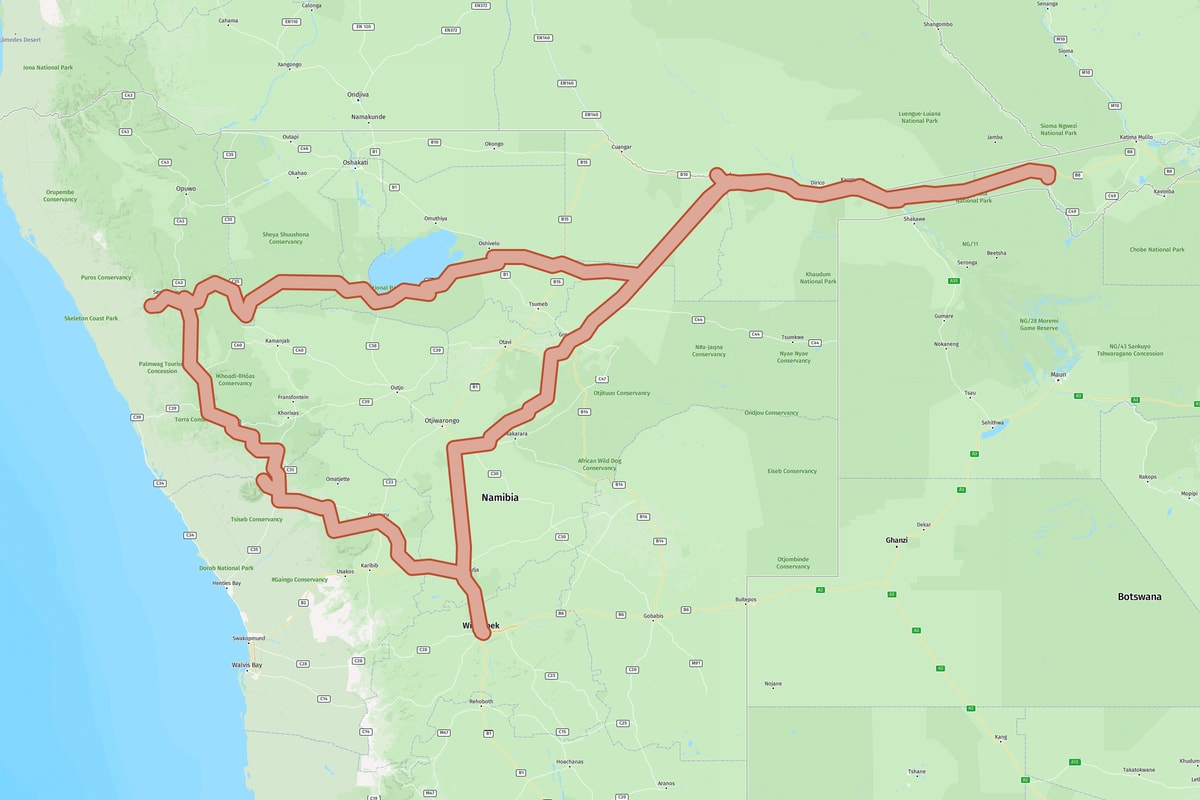
Adventure through the wilderness
22 jours · 3 215 km
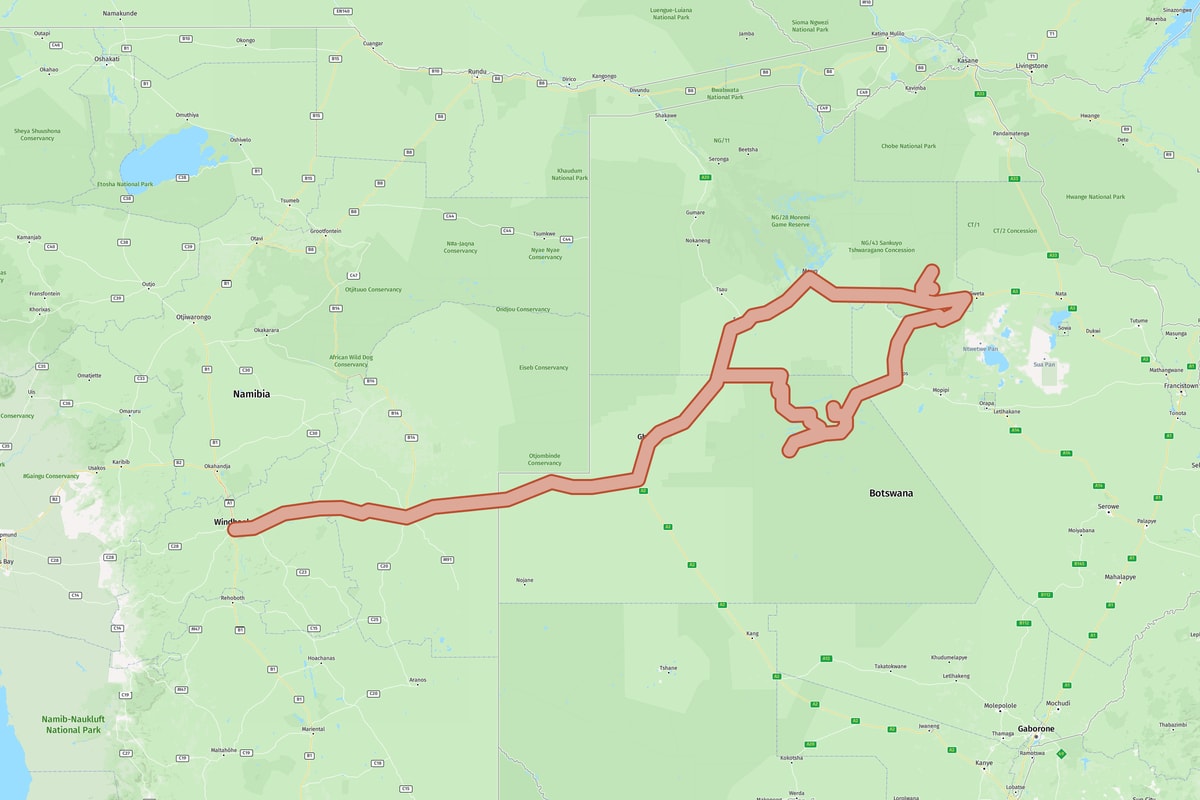
Experience the spectacular zebra migration along ancient salt pans
18 jours · 2 338 km
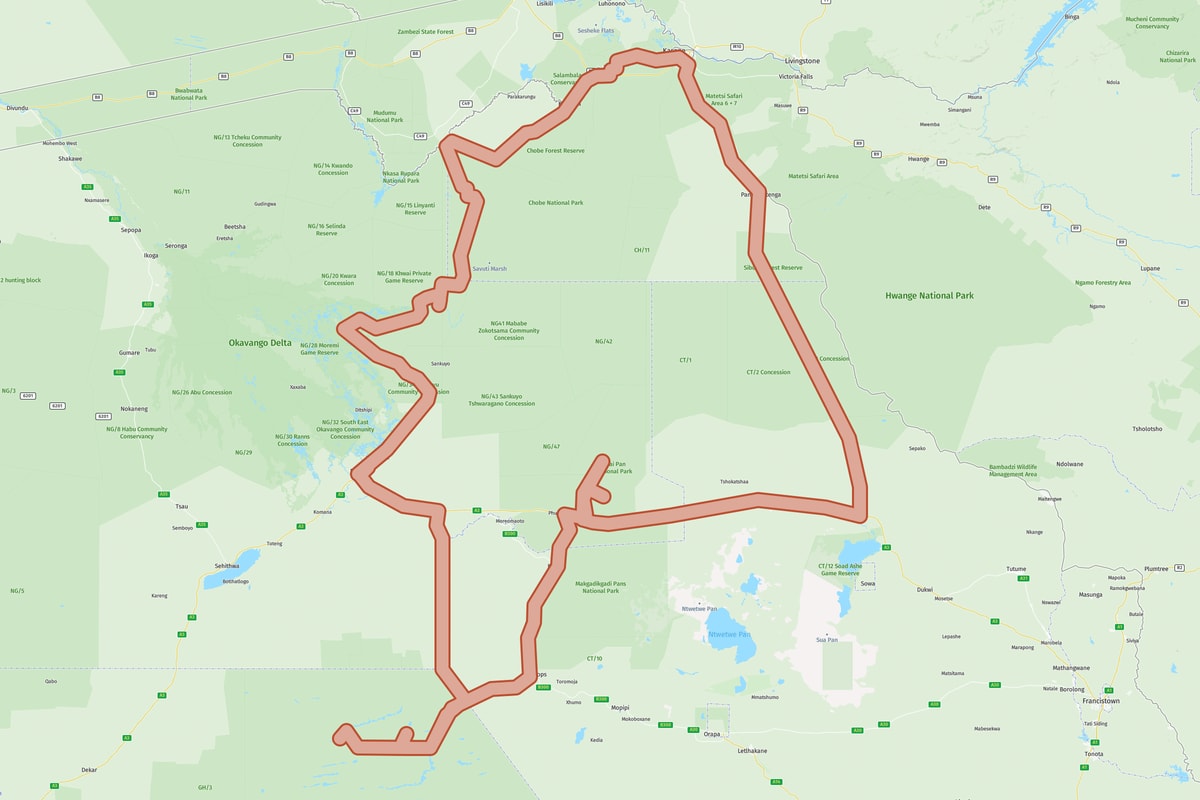
Discover Botswana's highlights without detours
21 jours · 1 613 km
Articles liés
Pars à la découverte : Chacma baboon.
L’app te montre où et quand observer la faune sur ton itinéraire.