Translated from German. We write our content in German.Show original
Wildlife in Carara National Park.
You can observe these 64 species in Carara National Park.
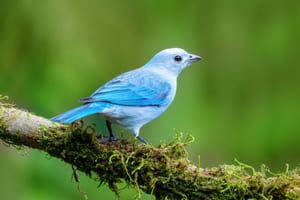
Blue-grey tanager
The blue-grey tanager enchants with its bright blue-grey plumage and melodic songs in forest landscapes.
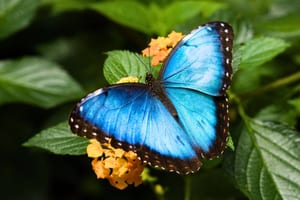
Blue morpho
Shimmering blue meets rainforest: the blue morpho fascinates with its iridescent play of colours and surprising camouflage in flight.
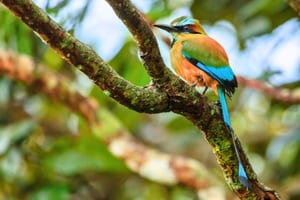
Turquoise-browed motmot
Colourful solitary bird with a distinctive racket-shaped tail and turquoise brow in the open woodlands of Central America
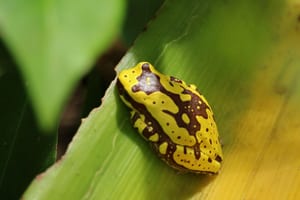
Hourglass treefrog
Small climbing acrobats with golden markings: hourglass treefrogs reveal life between dewdrops, leaves and nocturnal calls.
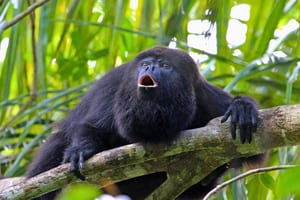
Howler monkey
Howler monkeys shape the morning with their loud calls and move leisurely through the treetops of the rainforests.
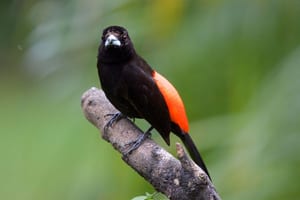
Cherrie's tanager
The Cherrie's tanager from Costa Rica stands out with its bright red colouring. Discover this exotic bird along the forest edges of the Pacific coast.
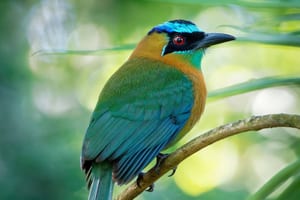
Lesson's motmot
Bright, mysterious and always with a spatula-shaped tail – the Lesson's motmot turns forest explorations into voyages of discovery for those who pay attention.
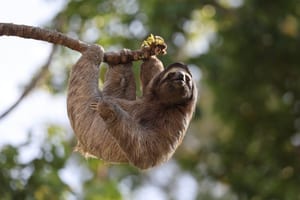
Three-toed sloth
Three-toed sloths glide almost invisibly through the canopy and, with their unhurried tempo, evoke the stillness of the forest.
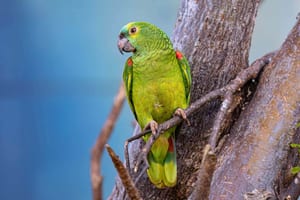
Orange-fronted parakeet
Colourful flocks, loud screeching and a bright orange crown – this is how you spot orange-fronted parakeets along forest edges and in open woodland.
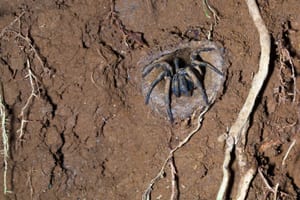
Trapdoor spiders
Trapdoor spiders are masters of staying invisible on the ground. Their hidden life is a fascinating discovery for patient nature observers.
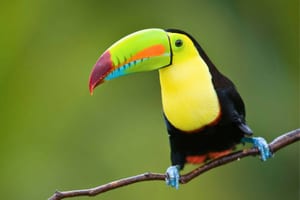
Keel-billed toucan
Unique rainforest bird with a colourful giant bill, powerful voice and lively activity in the treetops of Central and South America
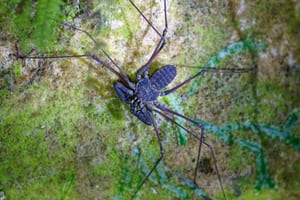
Whip spiders
Whip spiders fascinate with their delicate feeler legs and shy way of life. In damp, dark corners you can look forward to encounters with these ancient creatures.
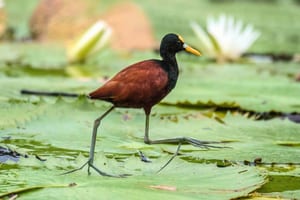
Northern jacana
The northern jacana balances elegantly on water lily leaves, delighting with its colourful frontal wattles and unique long toes.

Common dolphin
Common dolphins captivate with their elegance, striking markings and social leaps in groups out on the open sea.
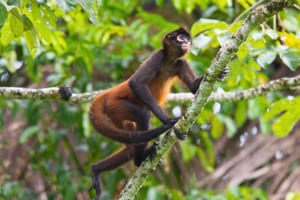
Geoffroy's spider monkey
Geoffroy's spider monkey is an agile specialist of the forest canopy. With its prehensile tail and loud calls it shapes the forests of Central America.
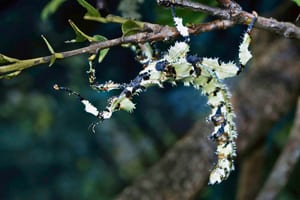
Stick insects
Stick insects disguise themselves perfectly as a twig or leaf and amaze with their fascinating powers of adaptation in the dense canopy.
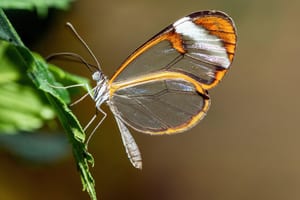
Glasswing butterfly
Glasswing butterflies fascinate with their transparent wings and create tropical moments full of lightness and astonishing camouflage.
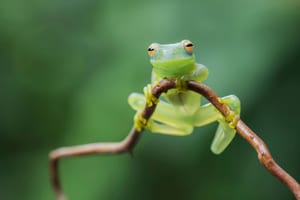
Glass frog
Glass frogs fascinate with their transparent skin and live hidden away in tropical rainforests above quiet streams.
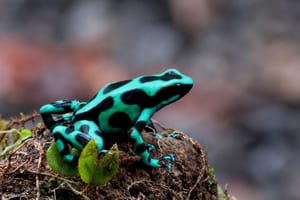
Green and black poison dart frog
Bright colours, tiny size: the green and black poison dart frog is the shining jewel of humid rainforests, with a surprising call.
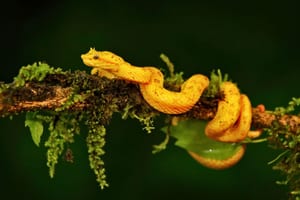
Eyelash viper
Striking eyelash viper with bright colouring. It lurks on branches in tropical forests and usually remains hidden.

Common bottlenose dolphin
The common bottlenose dolphin glides with powerful leaps through shallow coastal waters and is considered a curious and adaptable dolphin.
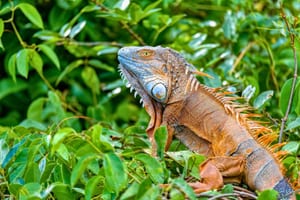
Green iguana
Green iguanas are true climbing artists with bright colouring and an impressive dorsal crest. Discover them in tropical treetops.

Green sea turtle
The green sea turtle grazes on seagrass meadows and is a fascinating favourite to watch in tropical coastal waters.
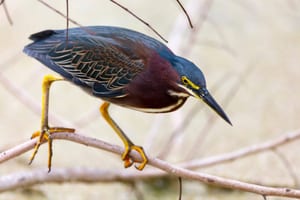
Green heron
The green heron rarely shows itself in the open and hunts with clever tactics along still shores – spot it with patience and a keen eye.
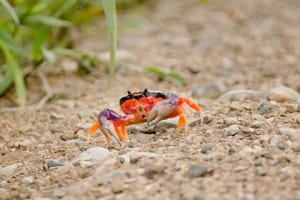
Halloween crab
Bright orange and violet: as a nocturnal ground-dweller, the Halloween crab attracts attention along the forest edge.
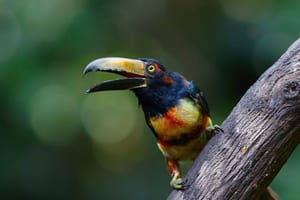
Collared aracari
With its striking bill, yellow breast and black collar, the collared aracari is most often seen in small groups in the forest canopy.
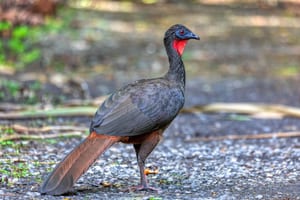
Crested guan
In dim forest light the Crested guan is easy to recognise by its crest and its bright red throat pouch.
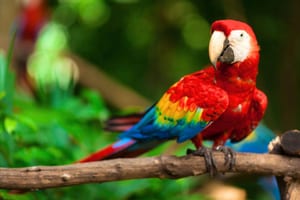
Scarlet macaw
Scarlet macaws enchant with their colourful plumage and loud calls in the rainforest.
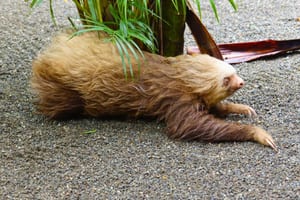
Hoffmann's two-toed sloth
The Hoffmann's two-toed sloth hangs upside down in the canopy and lives silently in the treetops of tropical forests in Central and South America.
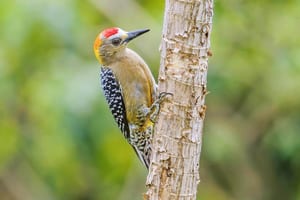
Hoffmann's woodpecker
Hoffmann's woodpecker brings life to open woodland and gardens. Red, stripes and drumming give it away on the tree – keep your ears and eyes open.
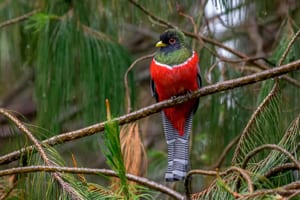
Collared trogon
With its bright red belly and white breast band, the collared trogon does not remain hidden for long in the shade of ancient forests.
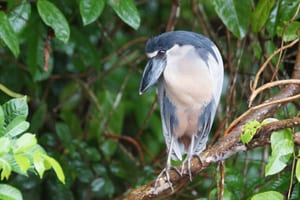
Boat-billed heron
Boat-billed herons are nocturnal specialists with a unique, boat-shaped bill and live shyly along dense riverbanks and in mangroves.
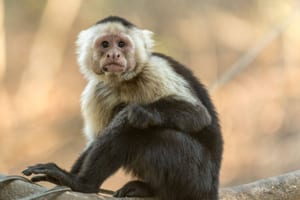
Capuchin monkey
Versatile, curious and full of energy, Capuchin monkeys move through the treetops of tropical forests as agile climbers.
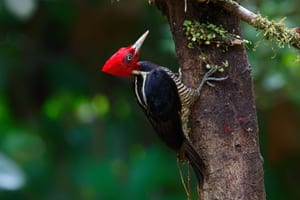
Pale-billed woodpecker
Impressive pale-billed woodpecker with red crest and pale bill – spot it drumming in the treetops of old forests
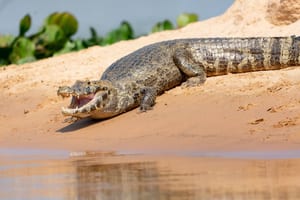
Spectacled caiman
You can recognise spectacled caimans by the distinctive bony bridge above their eyes and their calm silhouettes along the edges of waterways.
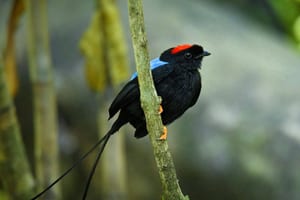
Long-tailed manakin
Strikingly colourful courtship dancer with a bright blue back and long tail feathers, often singing together in the undergrowth.
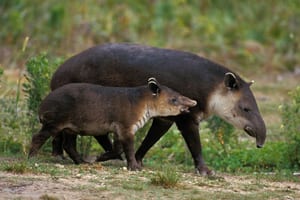
Baird's tapir
The Baird's tapir moves silently through the dense rainforest and is a master of camouflage by the water.
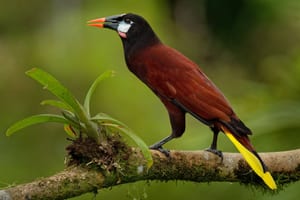
Montezuma oropendola
Colourful Montezuma oropendola with a bright yellow tail and distinctive call in the treetops of Central America.
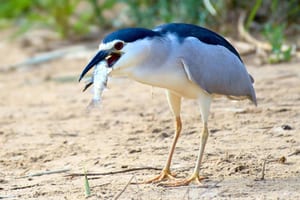
Black-crowned night heron
The black-crowned night heron lives a secretive life on the water’s edge and usually only appears at dusk – ideal for quiet observers with patience.
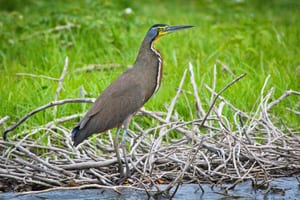
Bare-throated tiger heron
The bare-throated tiger heron is a rare shoreline hunter with a striped breast and bare throat, perfectly camouflaged among mangroves and riverbanks.
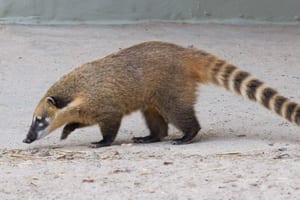
Nasua
Nasua with their flexible snouts and ringed tails are skilful ground-dwellers in the forests of Central and South America.
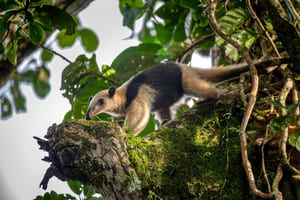
Northern tamandua
The northern tamandua fascinates with its black and beige coat and clever climbing style in the forests of Central America.
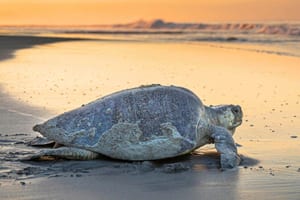
Olive ridley sea turtle
Watch olive ridley sea turtles as they come to tropical beaches at night in groups to begin the life of the sea anew.
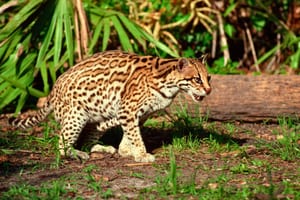
Ocelot
Ocelots are nocturnal, solitary inhabitants of tropical forests, with uniquely patterned coats and fascinatingly silent movements.
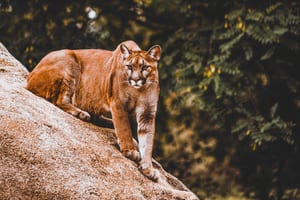
Puma
The puma is a master of concealment and glides silently through remote landscapes between forests and mountains.
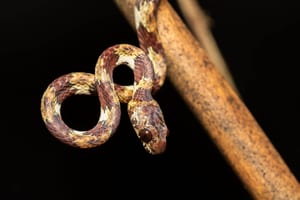
Blunthead tree snake
The slender blunthead tree snake hunts at night among leaves and branches and surprises with its broad head and striking eyes.
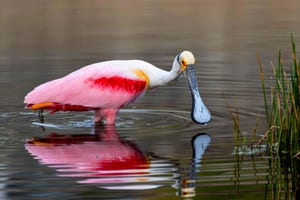
Roseate spoonbill
Bright pink plumage and a spoon-shaped bill make the roseate spoonbill a fascinating inhabitant of tropical wetlands.
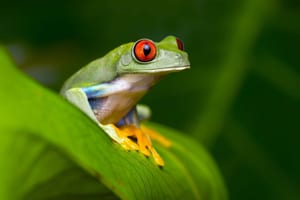
Red-eyed Tree Frog
Red-eyed Tree Frogs captivate with their bright red eyes and vivid colours – a nocturnal rainforest resident that never fails to amaze.
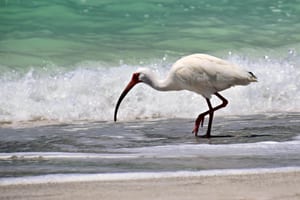
American white ibis
With its curved pink bill and white feathers, the American white ibis is a master of wetlands and loves shallow shore zones.
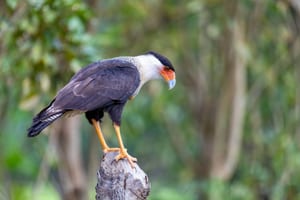
Crested caracara
The crested caracara is an impressive bird of prey with a ragged crest, bright-coloured face and spectacular behaviour on the ground.
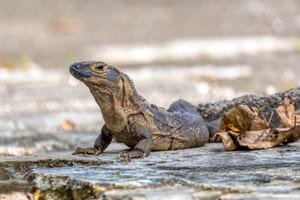
Black iguana
The black iguana is a lightning-fast sun worshipper with distinctive dark markings and prefers to live among ruins and on dry slopes.
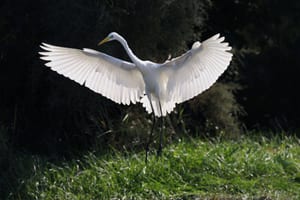
Great egret
Snow-white great egrets with their slender silhouette glide silently through shallow waters and offer you genuine moments in nature.
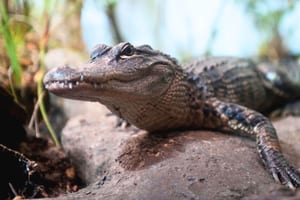
American crocodile
The American crocodile lives in mangrove swamps and lagoons. It is shy and shows fascinating adaptations to life in water and on land.
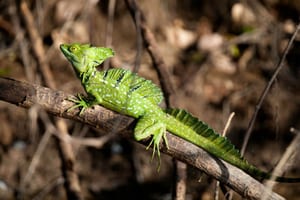
Plumed basilisk
With its bright green colour and striking crests, the plumed basilisk is a secretive acrobat along rainforest rivers.
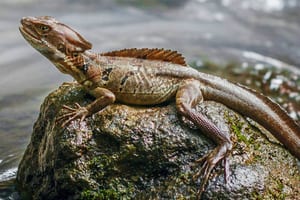
Brown basilisk
Brown basilisks impress with their pale longitudinal stripes and, with quick steps, seem to run over the surface of the water.
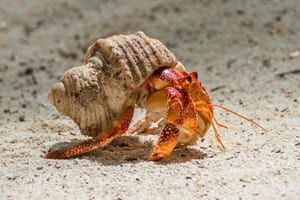
Pacific hermit crab
The hermit crabs scuttle across the beaches in their individual shell homes. They are most active in the early morning.
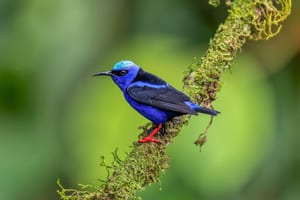
Red-legged honeycreeper
The red-legged honeycreeper immediately catches the eye in tropical canopies with its brilliant blue and red legs as it searches for flowers and fruit.
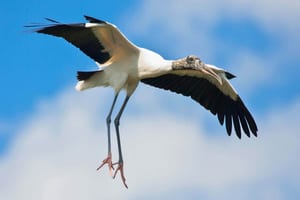
Wood stork
Wood storks with white plumage and a distinctive bill move slowly through swamps – revealing the quiet life of hidden wetlands.
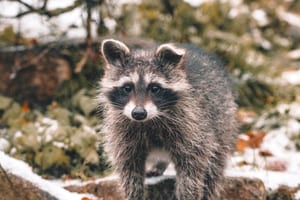
Raccoon
You can recognise raccoons by their striking mask and ringed tail, perfectly adapted to life in both forest and town.
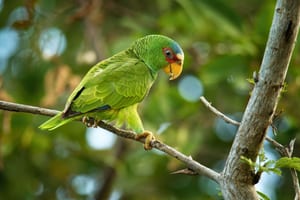
White-fronted amazon
The white-fronted amazon fascinates with its bright forehead and energetic flocks in the treetops of tropical forests.
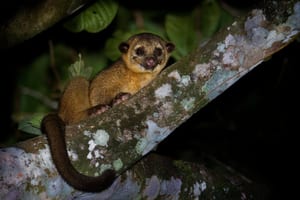
Kinkajou
Kinkajous are nocturnal climbers with prehensile tails, whose large eyes can spot you high up among tropical leaves.
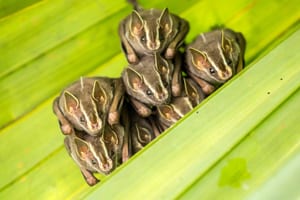
Tent-making bat
Tent-making bats build their own roosts and hide during the day, skilfully concealed beneath rolled-up leaves in the tropical forest.
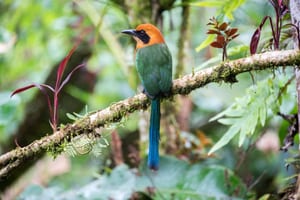
Rufous motmot
Warm colours, a paddle-shaped tail and rolling calls make the rufous motmot unmistakable in the shade of tropical forests.
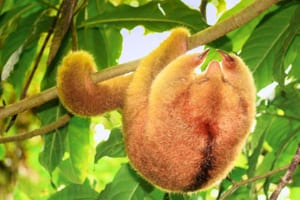
Silky anteater
The silky anteater lives almost invisibly in the forest canopy, a gentle explorer of the treetops with silky-soft fur and a careful, quiet manner.