Translated from German. We write our content in German.Show original
Namibia best time to visit for wildlife watching as a self-driver

By Laura & Tobi · ·
Namibia is a destination you can visit all year round. You’ll find out here when the best time for wildlife watching is.
Namibia, with its spectacular landscapes and unique wildlife, is one of the best safari destinations in Africa – especially for self-drivers. But when is the best time to visit Namibia for wildlife watching?
In this article you’ll find out:
- When exactly the best time to visit for wildlife watching in Namibia is
- Which seasons offer which advantages
- Where you have the greatest chances of exciting sightings
- Why the dry season is especially ideal for self-drivers
When is the best time to visit Namibia for wildlife watching?
The best time to visit Namibia for wildlife watching is the dry season from May to October. During these months the vegetation is sparse, waterholes dry up and animals depend on the remaining water sources. That makes it much easier to spot them.
Especially in national parks such as Etosha National Park or in the Caprivi Strip, large herds gather at a few waterholes – perfect conditions for impressive wildlife sightings.
Overview: climate and seasons in Namibia
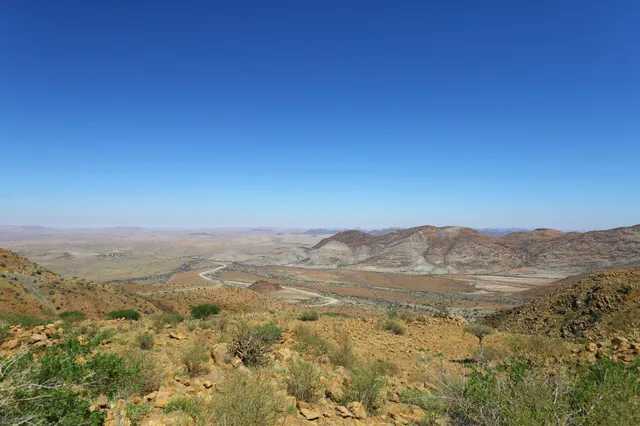
Namibia has a dry, desert-like climate with hot summers and mild winters. Rain falls almost exclusively in the months from November to April, often in the form of short, intense thunderstorms. The dry season from May to October is ideal for safaris:
| Season | Temperature (daytime) | Climate | Safari advantages |
|---|---|---|---|
| Nov – Dec | 30–38°C | hot, first rain showers | good birdwatching |
| Jan – Apr | 28–36°C | very hot, thunderstorms | young animals, lots of greenery but dense bush |
| May – Jun | 22–30°C | pleasant, increasingly dry | good visibility, still green |
| Jul – Oct | 20–32°C | dry, cool nights | best chances of sightings |
You can find out more about travelling during the rainy season in Namibia rainy season: What should I expect?
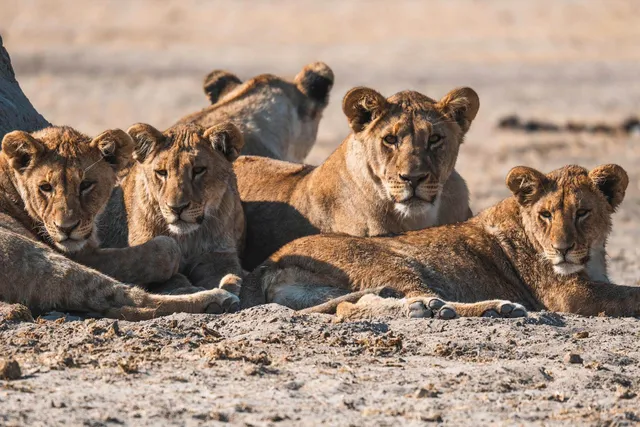
Best time to visit Namibia for wildlife watching: seasons at a glance
Namibia offers exciting wildlife watching all year round, but the best times and conditions vary depending on the season. Here we give you an overview of the different travel periods and their particular features so you can plan the ideal time for your safari.
November to December – start of the rainy season
- Wildlife watching: First migratory birds, animals waiting for rain
- Travel info: Hot with occasional rain showers
At this time of year it is spring in Namibia and just before the real rainy season. This means that although the days are relatively long you may well get caught in a rain shower. It can also get pretty hot. The animals are hoping every day for the first downpour because after a long dry spell they really are at the end of their strength. As soon as the first rain has fallen the plants begin to grow again.
January to April – rainy season
- Wildlife watching: Young animals, many bird species
- Travel info: Green landscape but animals harder to see
It is summer in Namibia. Now it is very hot during the day and there can be severe thunderstorms. Most young animals are born at this time of year. After a rain shower, waterholes fill up again and puddles form where animals can now drink. The landscape is very green and lush at this time of year, which is lovely to look at. However, in this lush landscape it is also much more difficult to spot animals in the dense bush.
May to June – transition to the dry season
- Wildlife watching: Increasingly better sightings
- Travel info: Mild climate, landscape still partly green
It is autumn in Namibia and it no longer rains. Daytime temperatures are pleasant and nature is still partly very green. However, this changes with every day. In Namibia’s national parks the vegetation becomes increasingly sparse and waterholes dry up. For you this means it becomes easier and easier to spot animals in the bush.
July to October – dry season (best time to visit!)
- Wildlife watching: Best chances, many animals at waterholes
- Travel info: Dry, clear views, perfect conditions for self-drivers
This is the dry season in Namibia. It no longer rains and the bushes and trees increasingly lose their leaves. Because of the sparse vegetation it is much easier to spot animals in the landscape. Waterholes also dry up more and more so that animals depend on the remaining pools. In Etosha National Park large herds even gather at this time of year.
Why the dry season is perfect for self-drivers
In the dry season:
- The vegetation is sparse, animals are easier to see
- Animals gather at a few, well-known waterholes
- Many gravel roads are easier to drive
- You have good conditions for photos – clear light, dry air
Our tip: Use our Namibia travel guide especially for self-drivers, with Etosha map, wildlife watching tips and route suggestions for the dry season – and it’s practical on the road because you have everything with you offline.
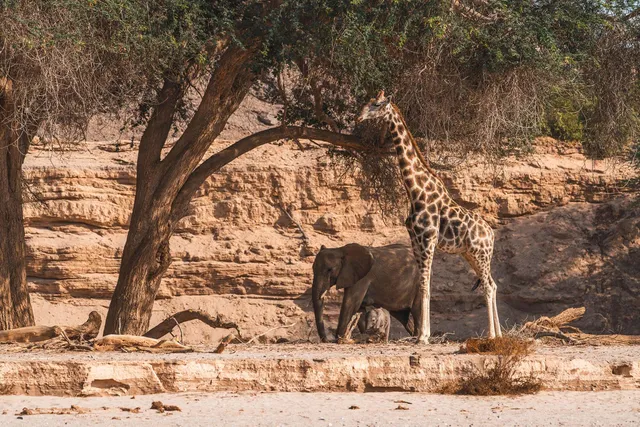
Best places for wildlife watching in Namibia
Namibia is known for its impressive wildlife and diverse national parks. From the famous elephant herds in Etosha National Park to the rare desert lions in Namibia – there are countless opportunities here to watch wild animals in their natural habitat. In this section we introduce you to the best places for wildlife watching in Namibia.
Etosha National Park
- Best time to travel: May - October
- Animals: Elephants, lions, rhinoceroses, giraffes, zebras and many more
- Highlights: Waterholes at Okaukuejo, Halali and Olifantsrus
- More information: Etosha National Park
Tip: Our Etosha map in the guidebook helps you find the best viewing spots.
Damaraland
- Best time to travel: June - October
- Animals: Desert elephants, desert lions, black rhinoceros
- Highlights: Hoanib, Palmwag, Brandberg, Twyfelfontein
- More information: Damaraland
Make it easy for yourself: With the app you can quickly find activities and the best places for wildlife watching and save them for your trip.
Bwabwata National Park
- Best time to travel: May - October
- Animals: Hippopotamuses, buffaloes, elephants, many bird species
- Highlights: Mahango Core Area, Buffalo Core Area and Kwando Core Area
- Caution: Deep sand - 4x4 absolutely essential
- More information: Caprivi Strip
Our tip: In the app you’ll find the best spots for wildlife watching in Bwabwata National Park – save them to your favourites so you have everything to hand on the road.
Namib-Naukluft National Park
- Best time to travel: all year round
- Animals: Oryx, springboks, jackals, scorpions
- Highlights: Antelopes in a red dune landscape in Sossusvlei
Tip: You’ll also find all the highlights in Namib-Naukluft National Park offline in the app – perfect for your self-drive route through the desert.
When should you not travel?
Travelling in the rainy season (Jan–April) means:
- Animals are spread out across the landscape
- Dense vegetation makes sightings more difficult
- Many roads are slippery or difficult to drive
- The heat can be exhausting
However, if you’re interested in birds, young animals or photographically impressive cloud formations, you’ll get your money’s worth then too.
Conclusion: Namibia best time to travel for wildlife watching
Finding the best time to travel to Namibia is not that easy. You have to weigh up various things.
In Namibia the best time to travel for wildlife watching is the dry season from May to October. The sparse vegetation makes it easier to spot animals in the bush and the animals now have to visit reliable waterholes and rivers.
If you want to see a green landscape, the later rainy season between January and April is perfect. As soon as it has rained the plants begin to sprout.
If you enjoy photography, Namibia is really suitable all year round. The months of May and June are at the beginning of the dry season and are ideal if you want to see both animals and a landscape that is not yet completely dried out.
We hope you’ve found the best time to travel to Namibia for wildlife watching. If you still have questions, feel free to ask them in the comments.
Plan your trip in the app.
Save activities and places to stay, put your route together and take everything with you offline.