Translated from German. We write our content in German.Show original
Ever heard of bear dens?

By Laura & Tobi ·
Caves give animals shelter in winter and are therefore very important for bears. But why are they disappearing more and more?
They are just ordinary trees until you are standing in front of these thousand-year-old giants. You look up at the sky and can hardly make out their crowns. You come closer and notice that you couldn’t even begin to get your arms around their trunks. These western hemlocks, Douglas firs, Sitka spruces and western red cedars have been standing here for a thousand years and offer organisms, plants and animals alike a habitat – including the bears.
Trees are vital for bears
On Vancouver Island these ancient trees are very important for the American black bears, which find shelter here in winter. Did you know that bears actually give birth to their young in the middle of the cold winter?
That alone is quite extraordinary, but the tiny bear cubs have another unique feature in the animal kingdom. Weighing only about 300 grams, the newborns have the greatest weight difference between themselves and their mother – at least among mammals. Without the mother’s body heat they couldn’t survive the Canadian winter. A bear den is therefore not just a cosy place to hibernate, but also vital for the small, still defenceless cubs.
This is what bear dens are like
The mother bears often find these protective dens in the trunks of ancient trees in the rainforests of Vancouver Island. Sometimes the roots stick so far out of the ground that a natural cave is created, big enough even for an American black bear. Fallen trees also provide an ideal hiding place for the winter.
The older trees become, the more natural hiding places appear over time. For example, soil is washed away exposing hiding places around the roots, or branches break off creating a hollow in the trunk.
Once the bears have chosen a den they start to line the hideout with natural materials. This gives them and their cubs a soft and above all well-protected place to spend the winter.
Tree dens are disappearing more and more
On your journey through Canada you’ll notice that these ancient, thick trees are no longer found everywhere. At least 80 percent of the old-growth forests on Vancouver Island have already been felled.
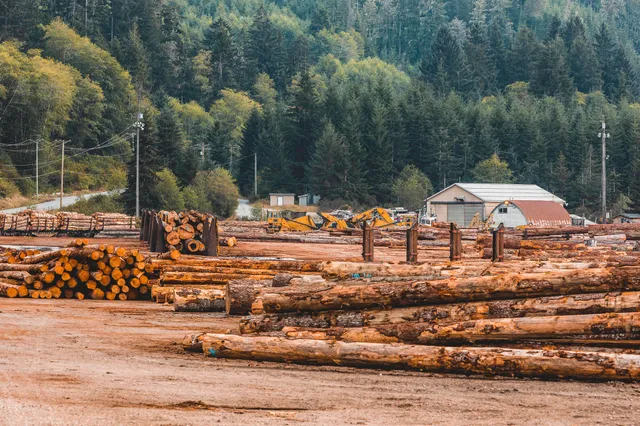
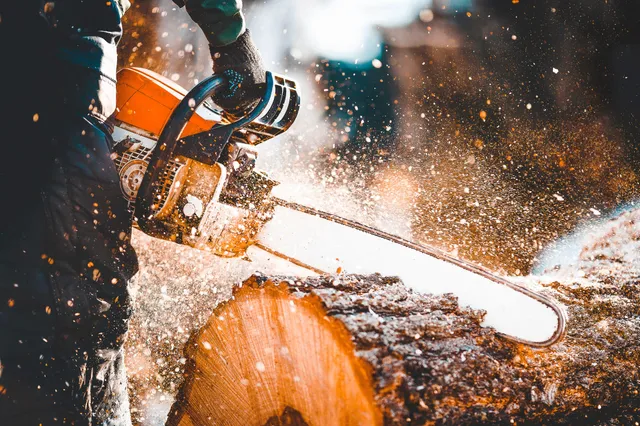
The timber industry is an important economic sector in Canada. Particularly old and large trees are very profitable because of the amount of wood per tree. On the roads of Vancouver Island you are sure to encounter huge trucks loaded with tree trunks.
With the felling of these trees Vancouver Island not only loses an ancient treasure but the bears also lose their opportunities to overwinter. To this day the bear dens in the trees are not protected from logging. It is therefore up to the loggers’ judgement whether they cut down a tree with a visible bear den or leave it standing to protect the animals.
Awareness is growing among logging companies
Although logging continues, at least some timber companies are getting involved in protecting bear dens. If, for example, they find a den in a tree stump, they saw off the upper part of the tree and close the cut surface with a sheet of plywood. If the dens are higher up in the tree, plastic boxes are installed as replacement dens.
With the help of wildlife cameras it has now been confirmed that the bears curiously investigate and also accept these replacement dens. This at least ensures that the bears survive the winter and can give birth to their cubs and raise them through the winter.
Discover the ancient rainforests with their countless hiding places
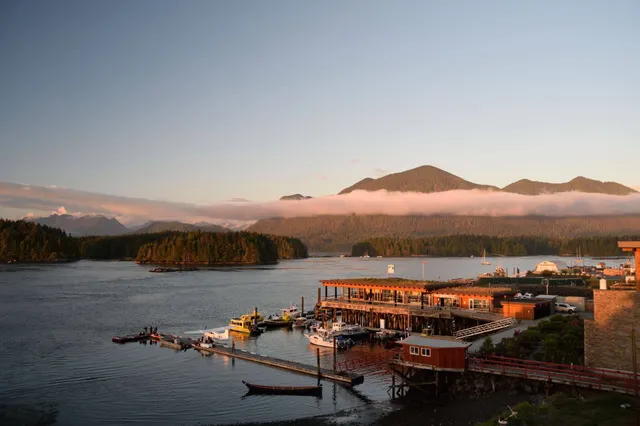
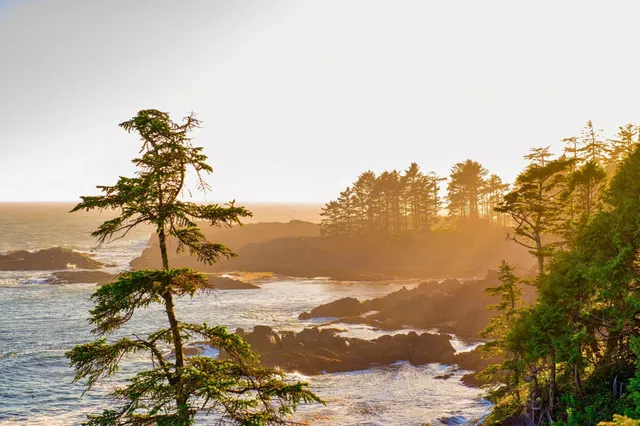
Even though more than 80 percent of this ancient rainforest has already been logged, there are still places on Vancouver Island where you can admire these incredibly old trees. Fortunately the region around Tofino is an ideal place to do this. Here, on the so-called Clayoquot Sound, you’ll find the highest concentration of remaining old-growth forest.
The best way to experience these ancient trees is on a walk along the Rainforest Trail or on a hike through the rainforest on Meares Island. But we can promise you one thing: you’ll probably find you can’t help looking everywhere for suitable hiding places for the bears and their young!
Photo credits: Shutterstock/Menno Schaefer, Shutterstock/Jurjen Veerman, Shutterstock/Parilov, Titel: Alice Donovan Rouse
Plan your trip in the app.
Save activities and places to stay, put your route together and take everything with you offline.