Wildful Stories publishes Kruger Park Guide with Wildlife Compass for self-drivers
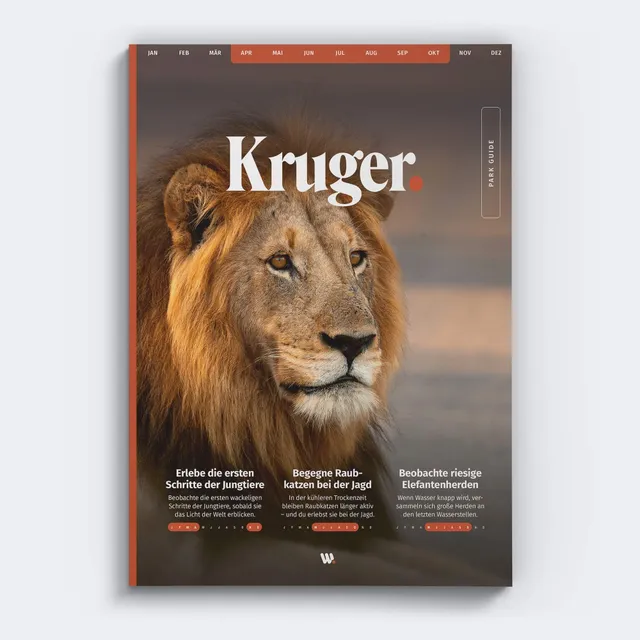
· Which roads in Kruger National Park are worth it for a self-drive safari? The new Kruger Park Guide from Wildful Stories makes the approach of experienced safari guides usable for self-drivers, with maps, road ratings, wildlife spots and seasonal tips.
At a glance
- Choose roads deliberatelyDetailed maps and ratings help you plan promising routes instead of simply covering as many kilometres as possible.
- Discover wildlife spotsMarked viewpoints, bridges and road sections show where it is worth watching more closely.
- Factor in the seasonsA timeline helps you assess when particular places and natural experiences are especially interesting.
15 February 2026 – Kruger National Park in South Africa offers numerous opportunities for wildlife watching along a road network of around 1,800 kilometres. But which regions, roads and viewpoints are especially worthwhile if you are exploring the park on your own by car? Wildful Stories has published the new Kruger Park Guide to answer exactly that. At the heart of this compact travel guide is the Wildlife Compass: a system of detailed maps, road ratings, selected wildlife spots and seasonal tips that makes the approach of experienced safari guides accessible for self-drivers.
Not more kilometres, but better decisions
If you are visiting Kruger for the first time, you face a difficult choice. The national park is huge, its landscapes differ greatly and the animals are not equally common or easy to see everywhere. Simply driving as many roads as possible therefore does not automatically increase your chances of special encounters.
Experienced safari guides know which regions have a higher density of animals, where open landscapes offer better visibility and at which bridges, river courses or viewpoints you can see into habitats that would otherwise remain hidden. They cannot predict sightings either. However, based on this information they can make more targeted decisions.
The Wildlife Compass applies exactly this principle to your individual self-drive safari.
Maps, road ratings and targeted wildlife spots
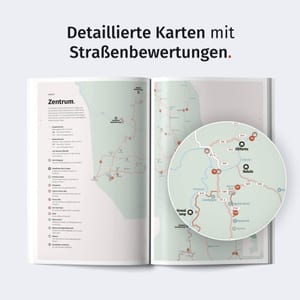
The Kruger Park Guide rates roads according to their general suitability for wildlife watching. In particular, the density of animals in the surrounding habitats and the visibility conditions along the road play a role here. Clear maps help you quickly identify promising sections and prioritise your driving route accordingly.
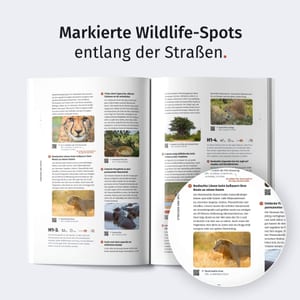
In addition, the guide marks selected wildlife spots – for example bridges, waterholes and viewpoints from which you can observe animal habitats particularly well. Even along otherwise inconspicuous roads, such stopping points can be worthwhile.
A timeline adds the seasonal dimension to your choices: water availability, vegetation and seasonal animal movements can change which places are interesting at the time of your planned trip.
High chances of sightings away from vehicle convoys
The development of the guide began with extensive research into habitats, soils, vegetation and the spatial distribution of herbivores and predators. In the south-east of the park, for example, nutrient-rich soils and comparatively open landscapes favour a high density of herbivores and therefore good conditions for predators. At the same time these regions attract particularly large numbers of visitors.
The guide therefore not only helps you find well-known, wildlife-rich areas but also consciously choose alternative routes and viewpoints. This allows self-drivers to use their time more deliberately and, with a bit of luck, enjoy special sightings in a quieter atmosphere.
Which parts of the park make sense also depends on the time you have available: for short stays, especially promising routes are crucial, while longer trips leave more room for less visited regions.
Tested on our own safaris
Laura and Tobi, the founders of Wildful Stories, prepared their most recent trip to Kruger National Park using exactly this approach. During the rainy season the landscapes were especially green, the vegetation dense and the animals correspondingly harder to spot. Thanks to the deliberate choice of regions, roads and viewing points, they still enjoyed numerous sightings, including leopards, lions, hyenas and African wild dogs.
Even with good preparation, you cannot guarantee such encounters. However, the Wildlife Compass is designed to help you spend your limited time in the park where the conditions for wildlife watching are especially favourable.
Compact park guide with digital Content Pass
At launch, the Kruger Park Guide has 68 pages and costs 19,99 Euro. The deliberately compact format is designed for practical use on the ground: maps, road ratings and selected spots are intended to provide quick orientation, without travellers having to work through an extensive guidebook.
The printed Kruger Park Guide includes a personal Content Pass. This lets you unlock all the content of the park guide digitally in the Wildful Stories app – including the exclusive content that is normally paid for in the app. This way you have all the knowledge from your printed guide with you on your smartphone as well.
At launch the Kruger Park Guide is available as a printed edition through Amazon. Further information on Wildful Stories at wildfulstories.com.
Press material
Images for this post
Photos of our products as JPG in full resolution. Free to use for coverage of Wildful Stories.
Download everything (ZIP)
Kruger Park Guide
Kruger Park Guide
Kruger Park Guide
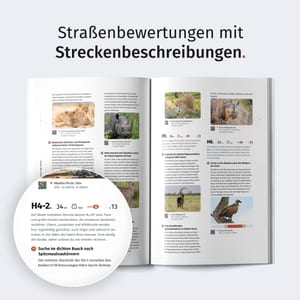
Kruger Park Guide
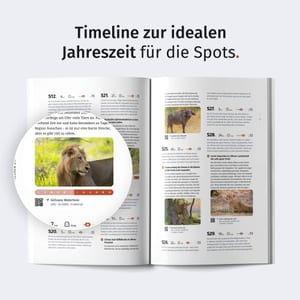
Kruger Park Guide
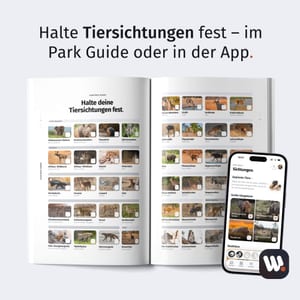
Kruger Park Guide
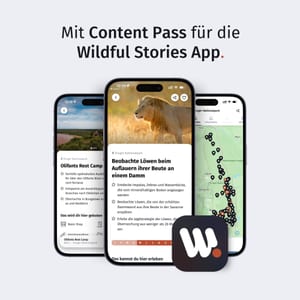
Kruger Park Guide
About Wildful Stories
Wildful Stories helps travellers plan their own road trip with plenty of nature and wildlife: with printed travel guides and the Wildful Stories app. Founded by Laura and Tobi.
Questions about this post or interested in an interview? Send a press enquiry
More news
New feature · November 15, 2026
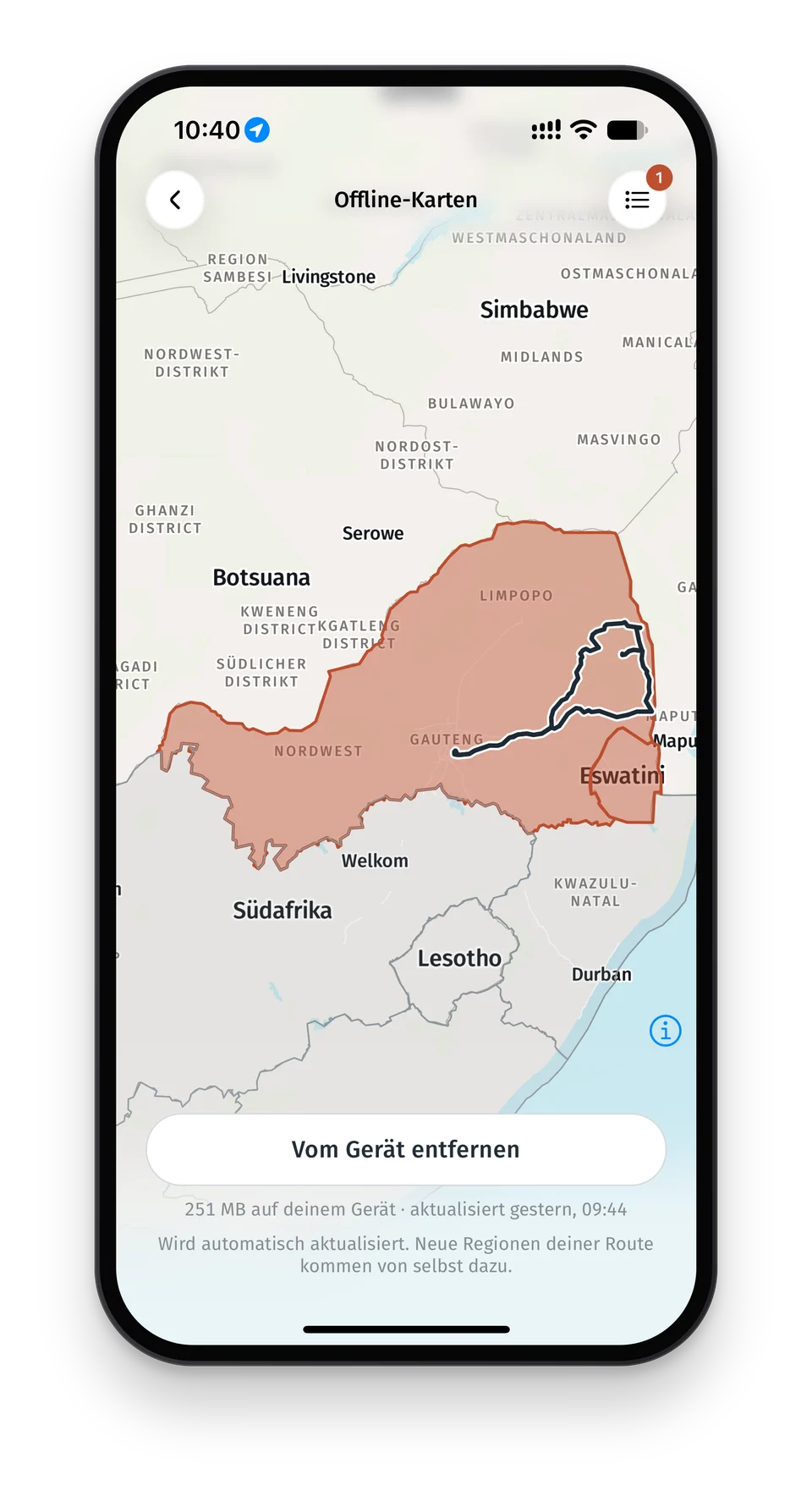
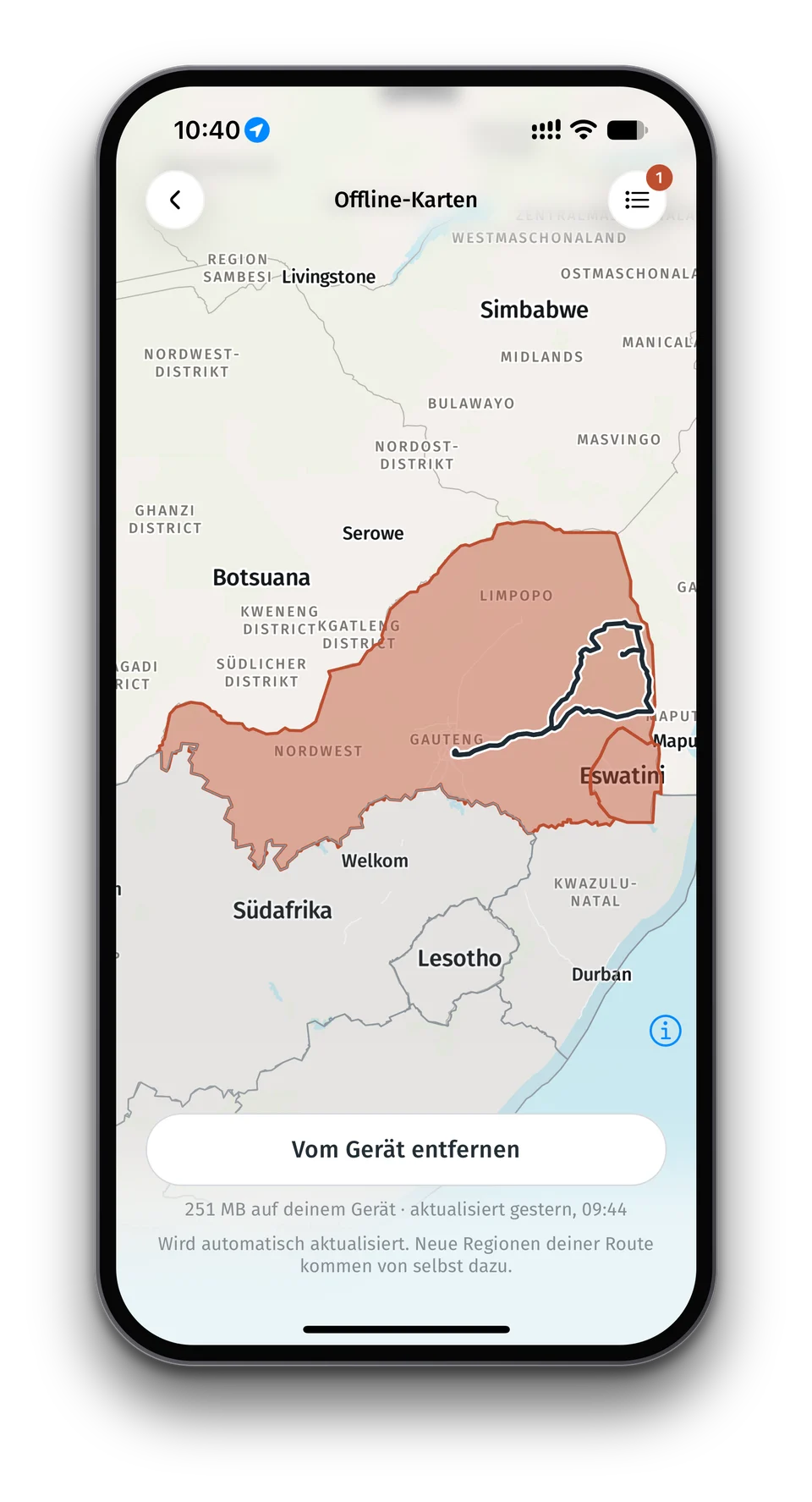
Wildful Stories launches offline maps for road trips off the beaten track
From remote tracks in Botswana to national parks in Canada: the Wildful Stories app combines detailed maps with selected nature spots and now also makes the maps available offline.
New feature · July 12, 2026
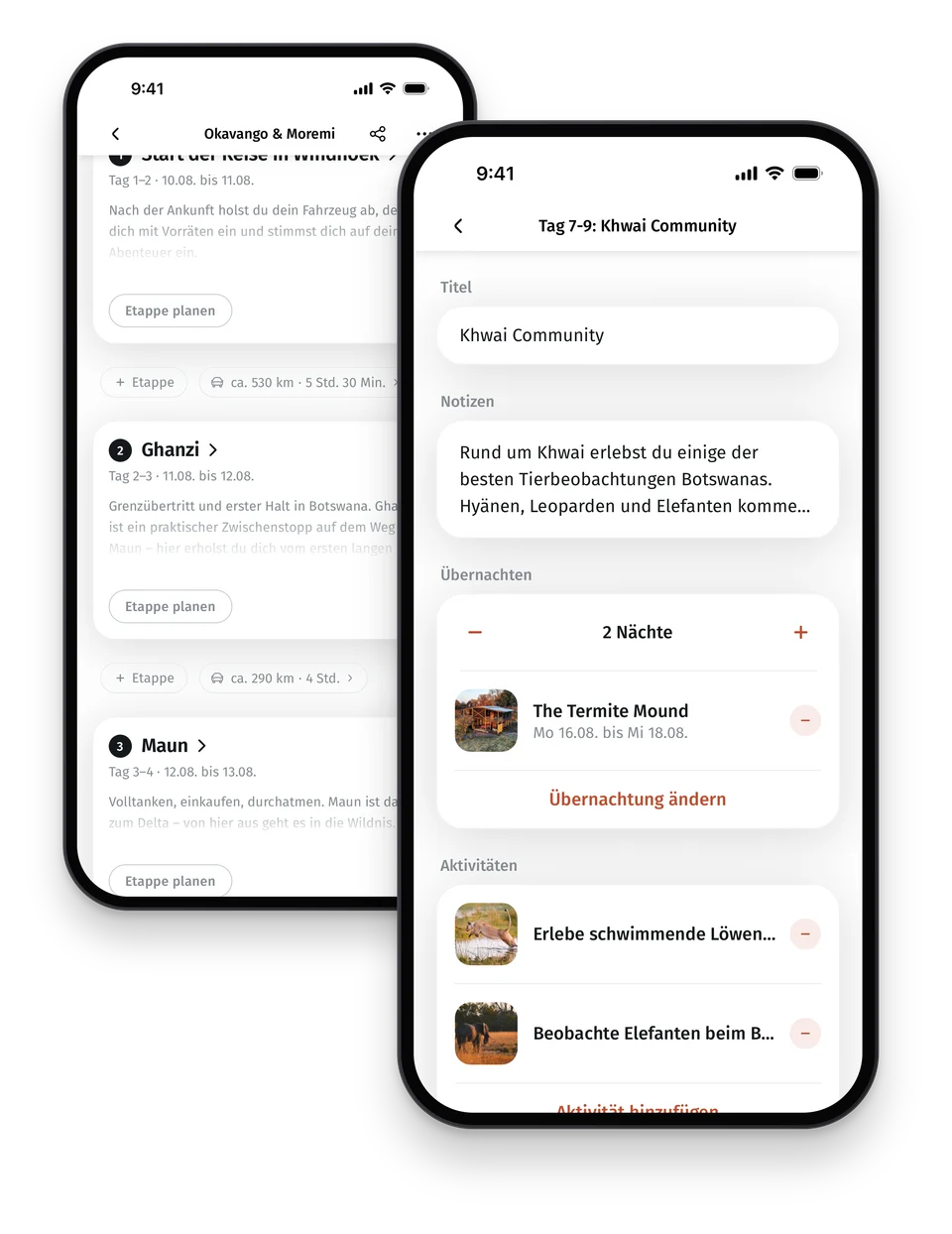
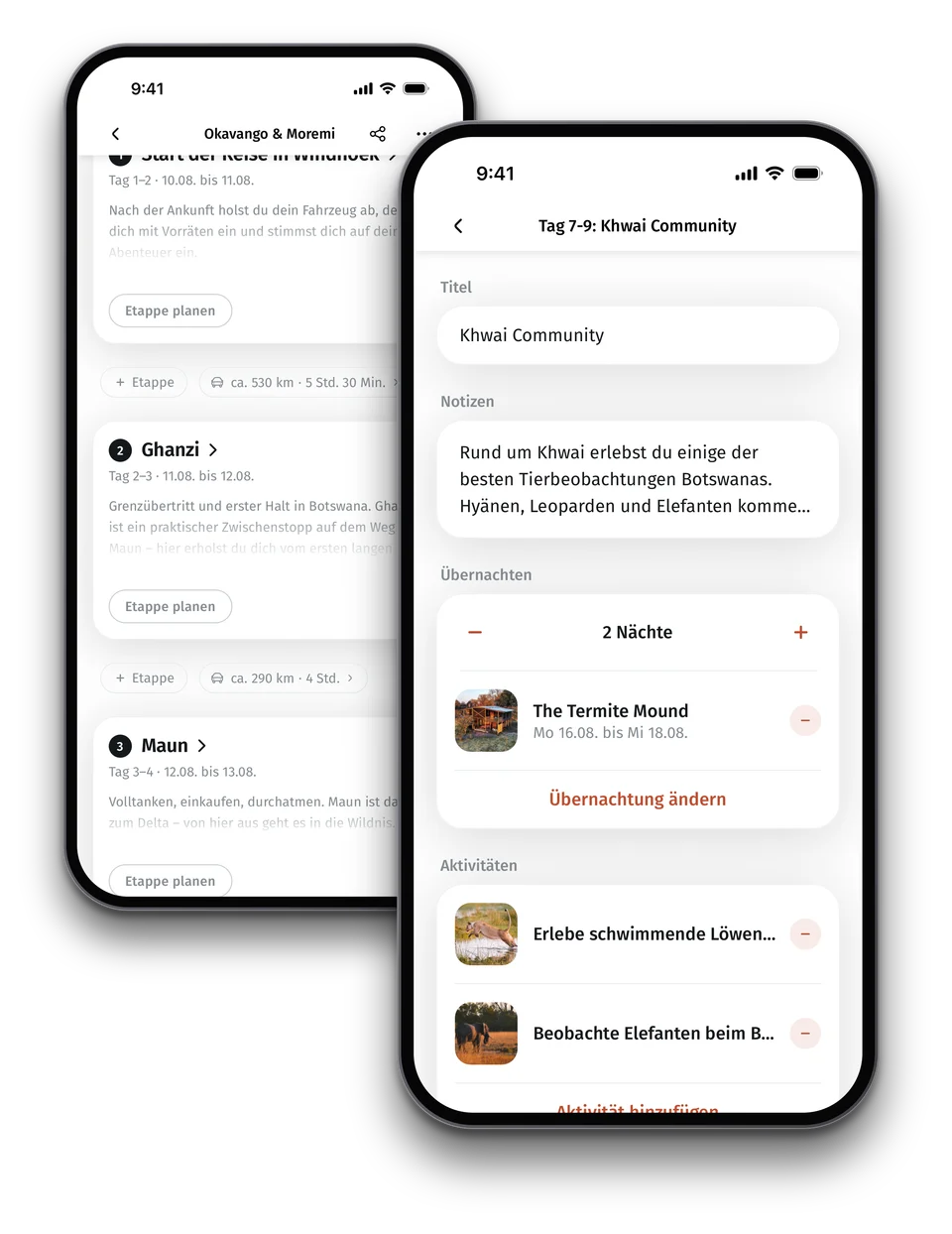
Wildful Stories launches route planner for individual road trips into the wild
From remote tracks in Botswana to national parks in Namibia: the new route planner from Wildful Stories combines detailed route calculation with realistic driving times and local travel knowledge. Self-drivers can plan their trip individually and free of charge in the app.
New feature · April 19, 2026
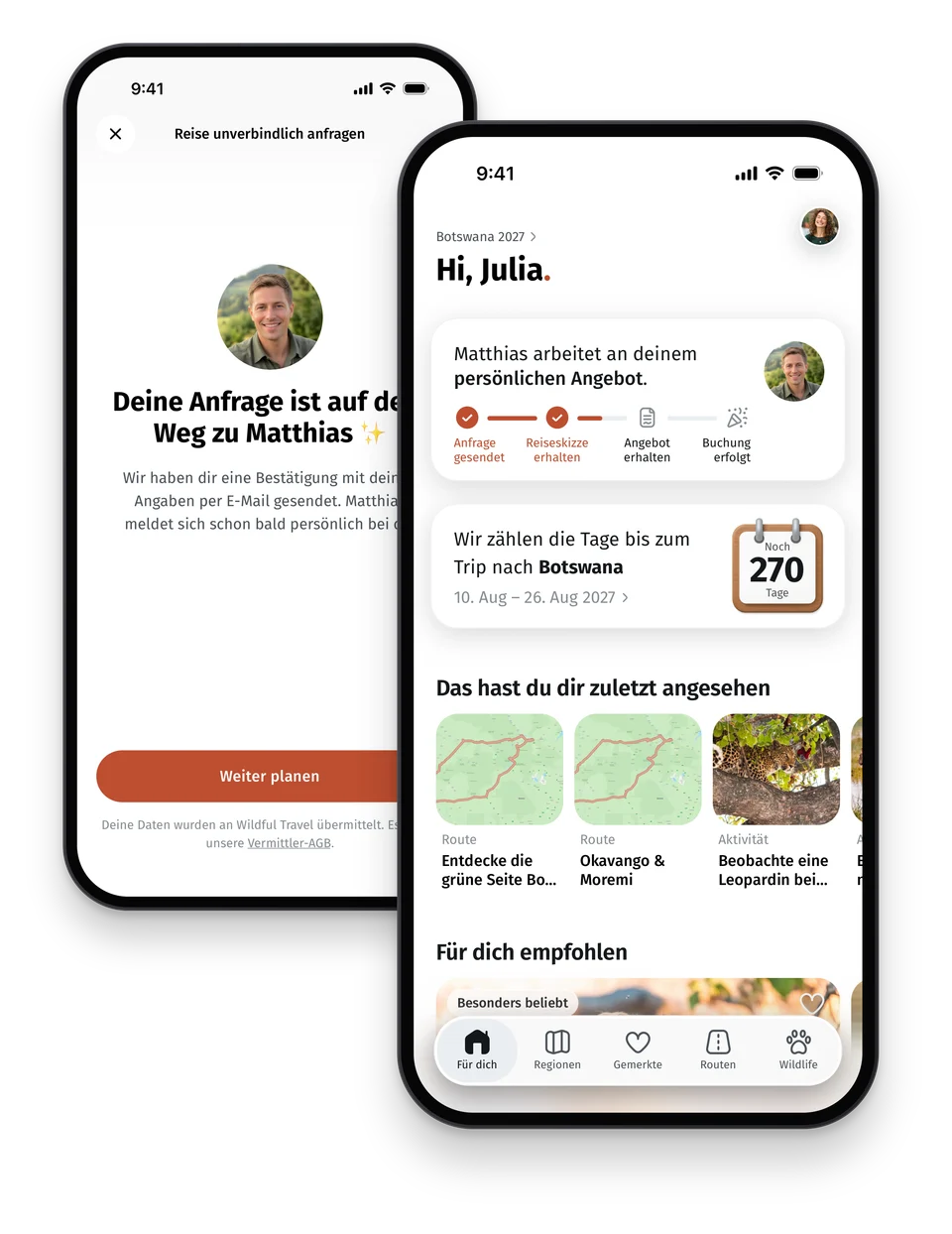
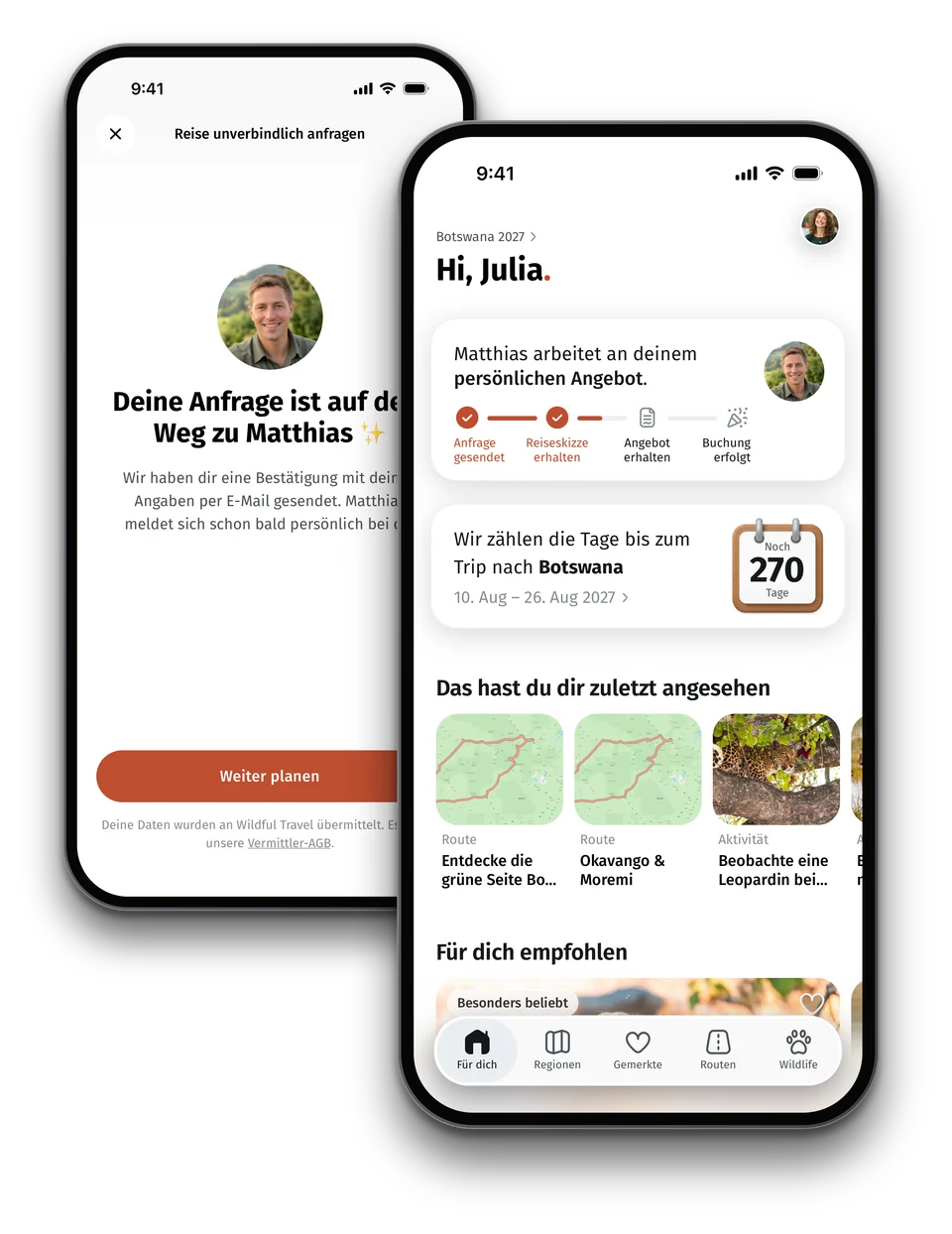
Wildful Stories launches booking service for tailor-made self-drive trips in southern Africa
Design your own trip without having to organise every single element yourself: Wildful Stories combines individual trip planning in the app with a personal booking service. Specialist German tour operators also organise services that are difficult to book via their local networks and take care of implementing the trip.