Cette page n’existe pas encore en français : nous te montrons la version disponible.
There needs to be more salmon

Par Laura & Tobi ·
The number of salmon is steadily decreasing and this is a major challenge for an entire ecosystem.
You have probably already heard of the salmon run. This unique spectacle attracts many animals to the rivers in late summer and autumn so they can build up enough fat reserves for the winter. But why is this becoming more and more difficult, and what is being done about it? That is what we would like to tell you about.
Why are salmon so important for the ecosystem?
Salmon have existed in the North Pacific for around seven million years. Can you imagine that? Since then, they have formed the basis for an entire ecosystem and followed the same life cycle.
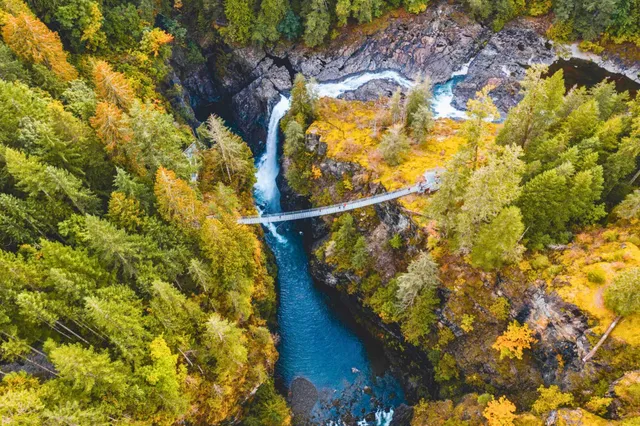
They spend most of their lives in the open sea. During this time, salmon are a food source for some marine creatures such as the Northern Resident orcas off Vancouver Island. As adults they leave the open ocean and return to their birthplace. On the way they overcome strong currents, waterfalls and rapids day after day.
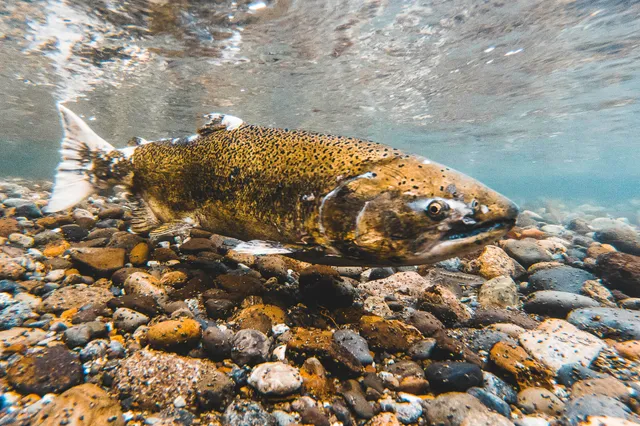
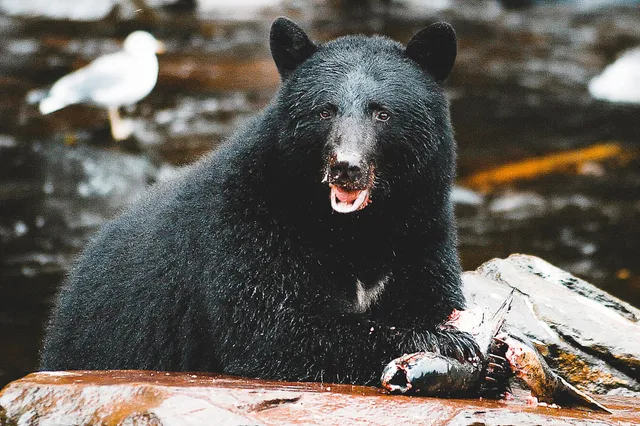
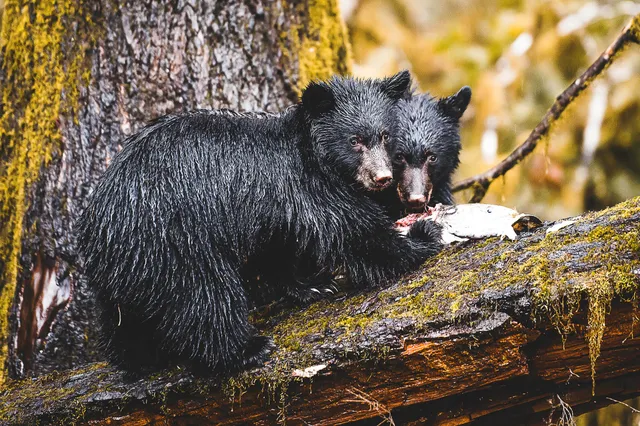
Bears and wolves are already waiting along their route, because salmon are ideal for building up fat reserves for the winter. Without a break for food the little artist battles its way upstream until it finally reaches its birthplace, completely emaciated. Always with just this one goal in mind: to provide for the next generation of salmon with thousands of fertilised eggs – before it eventually dies of exhaustion.
And not even the death of the salmon is pointless. The carcasses are a food source for countless other animals such as otters or ravens. In addition, the carcasses release nutrients into the water that are vital for the new generation of salmon growing up.
Salmon stocks are now under threat
It may sound incredible, but these days bears, wolves, otters and ravens are increasingly waiting in vain for the salmon. Studies have shown that an astonishing 138 animal species in total depend directly or indirectly on salmon. But why are fewer and fewer salmon returning to their natal waters? What has changed?
Wild salmon stocks are continuing to decline because of overfishing, habitat loss and climate change.
On the one hand, far too many fish are being caught overall, so that fewer salmon are able to return to their birthplace. This leads to fewer salmon in the rivers in the same year and to a generally smaller population in the years that follow.
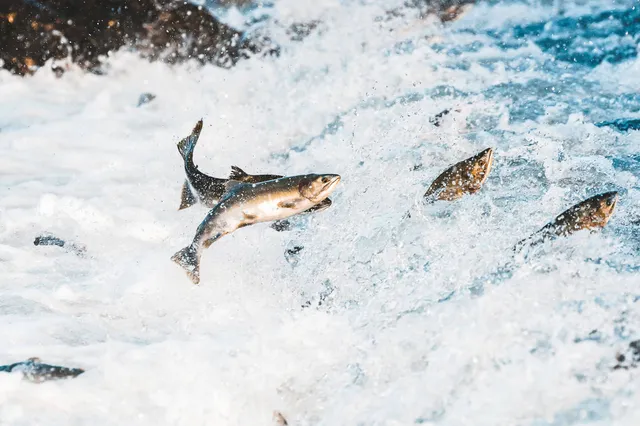
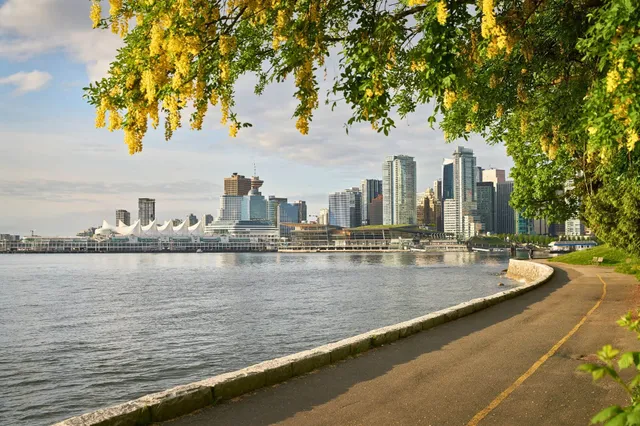
On the other hand, cities continue to expand and in the process displace important river systems. Around Vancouver there used to be about 50 such systems, of which only two rivers exist today. Salmon are literally having their route to their spawning grounds blocked.
In addition to overfishing and the disappearance of river systems, climate change also has a major impact on salmon stocks. Global warming is causing water in the Pacific to become ever warmer. Not all salmon species can cope with this or adapt to the changed conditions. Sockeye salmon are particularly sensitive to the increase in temperature.
The government is already taking action
The government of British Columbia has set itself the goal of protecting Pacific salmon. Various measures are intended to improve protection for the fish. These include stock assessments used to set allowable catch quotas, more measures to protect habitats and so-called salmon farms where salmon are bred.
The latter are now an essential part of the ecosystem and have therefore become absolutely necessary.
What exactly do these salmon hatcheries do?
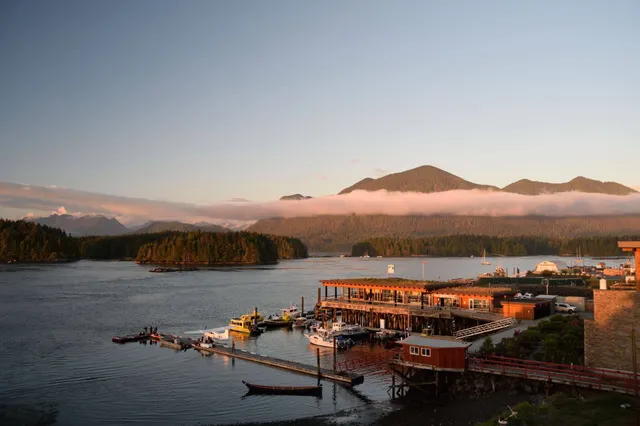
On Vancouver Island there are several salmon hatcheries which, as part of government programmes, work to increase wild salmon stocks. Rearing and releasing salmon helps counter the decline in numbers.
This is how it works: the hatcheries intercept fully grown salmon on their way to their spawning grounds. They then remove the eggs from the females, which are artificially fertilised and reared. On the hatchery grounds the young salmon grow in rearing ponds and are fed for different lengths of time depending on the species. As juveniles the salmon move into the rivers, from where they swim downstream into the Pacific.
A single hatchery releases several million salmon into the wild every year in this way, gradually helping to create what will hopefully be a more stable salmon population. What a staggering number, don’t you think?
Would you like to visit a salmon hatchery?
In Campbell River you can visit a hatchery visitor centre to learn more about the work of the hatchery and have a go at identifying different species of salmon and other underwater creatures.
On the hatchery site you can also see how salmon grow up during their first critical phase of life, protected from predators and environmental influences. In the river next to the hatchery, with a bit of luck you can also spot one of the many enemies of the salmon, for example a bear. They know exactly when the salmon swim upstream and pass this point.
Crédits photo : Shutterstock/Troutnut, Shutterstock/Kevin Cass, Shutterstock/Daniel Sample, Shutterstock/Don Laidlaw, Shutterstock/Menno Schaefer, Titel: Alice Donovan Rouse
Pour aller plus loin
Planifie ton voyage dans l’app.
Enregistre activités et hébergements, compose ton itinéraire et emporte tout hors ligne.